Rescue Helicopter Crashes on Kilimanjaro, Five Killed in Medevac
A rescue helicopter on a medical evacuation mission crashed on Mount Kilimanjaro on December 25, killing all five people aboard, local authorities said. The accident raises urgent safety and oversight questions for high altitude rescue operations on Africa’s most popular peak, with investigators examining weather, aircraft performance and operational protocols.
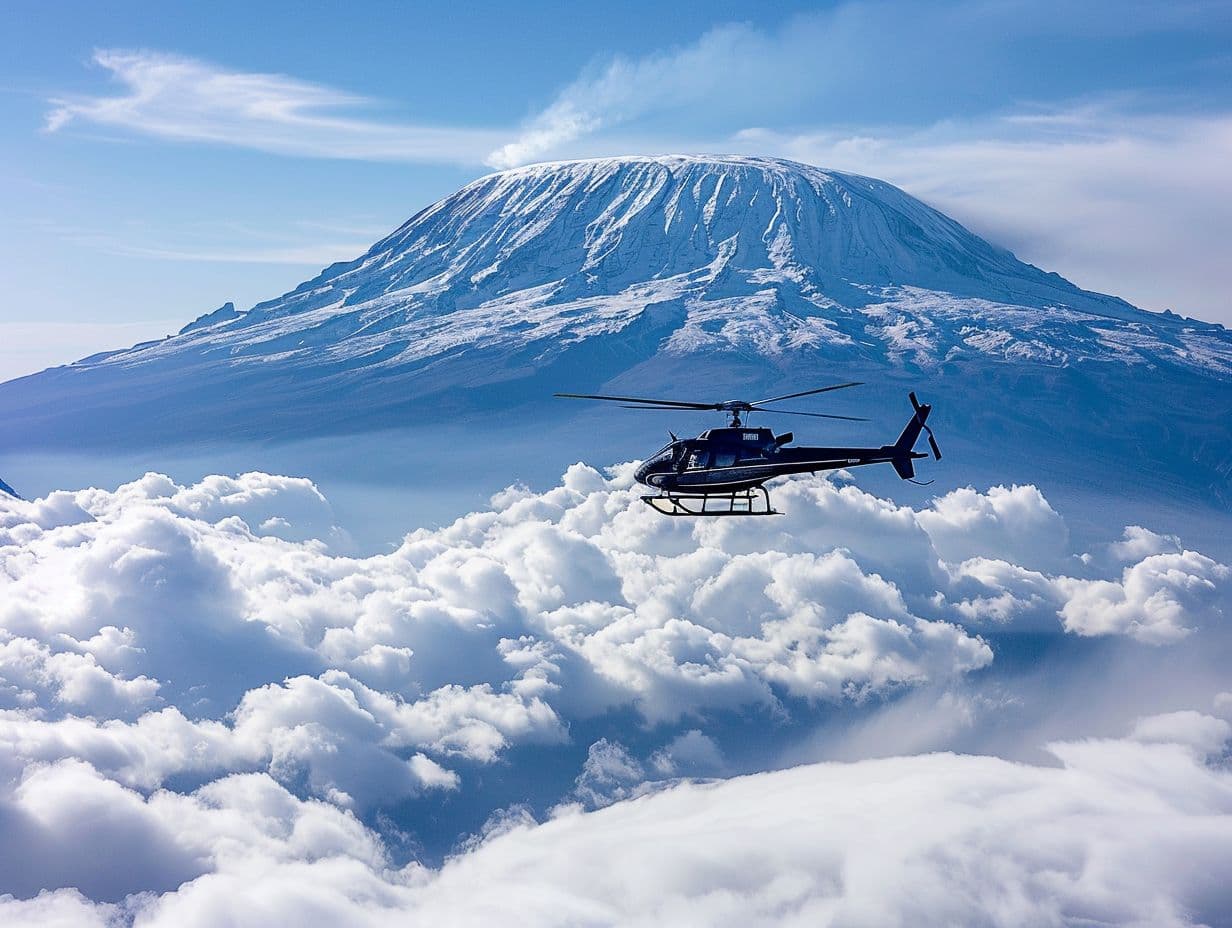
A medical evacuation helicopter went down on Mount Kilimanjaro on December 25, killing all five people on board, Kilimanjaro regional police said. The aircraft crashed in a high altitude zone between Barafu Camp and the Kibo summit area at about 11:30 a.m. East African Time, according to Kilimanjaro regional police commander Simon Maigwa. Authorities reported the dead included the pilot, a doctor who was part of the rescue team, a local tour guide and two foreign nationals who had been taken on board as evacuees.
The aircraft was conducting a medevac mission to reach climbers reported ill or injured during the final ascent, officials said. Local reports identified the patients as members of a party climbing with the company Boby Camping. The flight was operated by a company that conducts medical evacuations in the region, and the Tanzania Civil Aviation Authority issued a statement confirming a crash near Barafu Camp and saying it was involved in the response. No survivors were reported at the scene and the cause of the crash remains under investigation.
The site of the accident is on one of the mountain’s busiest ascent routes. Published local accounts place the wreckage at roughly 4,670 to 4,700 metres above sea level for the most precise estimate, while other descriptions place it above 4,000 metres. Mount Kilimanjaro’s summit rises to 5,895 metres. Investigators cited the operational difficulties of high altitude flights, where thin air reduces lift and weather can change rapidly, complicating rescue attempts and aircraft performance.
The identities and nationalities of the two foreign victims have been reported in some Tanzanian media as Czech, but officials have not uniformly confirmed those details. Police and aviation authorities said they would release passenger manifests and further information as inquiries proceed. The civil aviation authority will be expected to examine aircraft maintenance records, flight planning and weather reports before the crash.

Kilimanjaro is a major tourism asset for Tanzania, drawing about 50,000 climbers annually, and the mountain supports a broad local economy of guides, porters and lodges. A fatal medevac crash at a popular stretch of the route is likely to prompt immediate operational reviews and could have short term effects on climb bookings and local incomes, particularly during the peak season. Medevac operators and tour companies may face heightened scrutiny from regulators and insurers as preliminary findings emerge.
Beyond immediate safety investigations, the crash is likely to focus attention on the adequacy of search and rescue capacity at high altitude, the oversight of private aviation operators that serve remote tourism sites and the resources available to emergency services in Tanzania’s mountain regions. Authorities said they would provide updates as the civil aviation authority and regional police complete their initial inquiries and notify any foreign diplomatic missions about victims.
This article was produced by Prism’s automated news system from verified source data, official records, and press releases, then run through automated quality and moderation checks before publishing. The system is built and supervised by the people who set the standards it runs under. Read our full AI policy.
Did this article answer your question?


