Rescued owl gets feather transplant, returns to the sky
A concrete-soaked young owl got 11 replacement feathers and flew free after seven months of rehabilitation in Utah.

A decibel reader, not applause, provided the final test for a young great horned owl whose survival had already defied the odds. When the roof of the aviary slowly retracted, the bird flew out on his own, proof that the feather transplant had restored the silent flight he needed to hunt in the wild.
Best Friends Animal Society said the male owl was rescued in late October 2025 after a good Samaritan found him inside a concrete mixer about 80 miles from St. George, Utah. He was taken to Best Friends Animal Sanctuary in Kanab, Utah, where staff at the Wild Friends wildlife rehabilitation center spent months cleaning hardened concrete from his body and weighing whether his damaged feathers would molt out naturally. They used short anesthesia sessions and worked carefully with toothbrushes, fingers and dish soap to free the bird from the cement that had locked him in place.

When the molt did not go as planned, the team turned to imping, a feather-grafting technique that has been used for centuries. On May 1, 2026, three Wild Friends staff members and staff veterinarian Dr. Kelsey Paras spent about 90 minutes replacing 10 primary feathers and one secondary feather on the owl’s right wing. The donor feathers came from a deceased great horned owl of similar size supplied by Utah Wildlife Foundation. Bart Richwalski, Wild Friends supervisor, said it was the first time in the center’s 40-year history that staff had seen an owl in this condition after a cement-mixer accident.
The work was far more than cosmetic. Feathers do not just give birds their shape; they are essential for lift, insulation and the quiet edge that raptors depend on when they hunt. For an owl, that stealth matters as much as strength. Without it, the bird might survive in captivity but never again function in the wild.
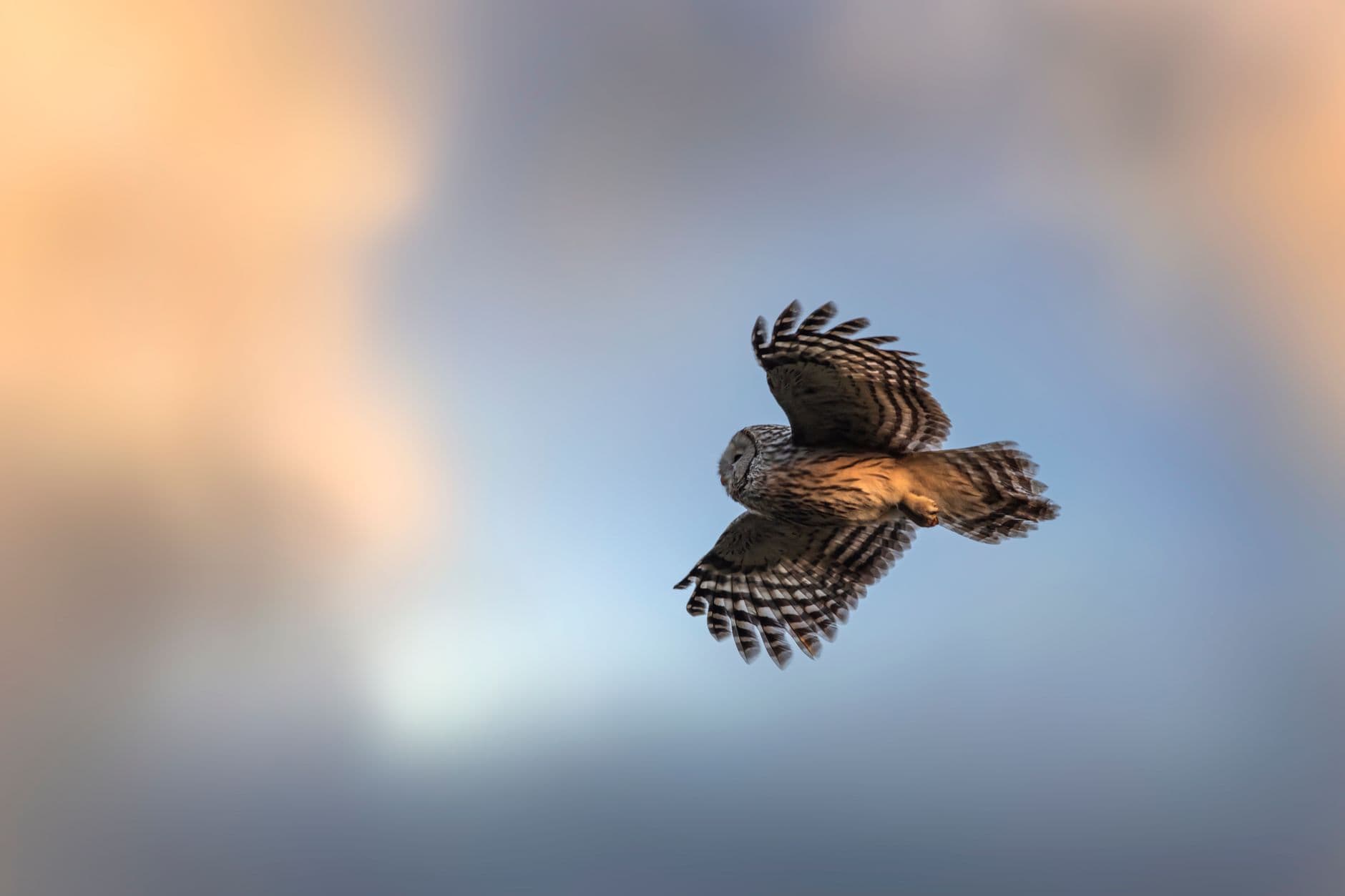
Audubon describes imping as an ancient feather-mending practice used especially for raptors, with the earliest written reference it cites dating to the 1240s and to Frederick II of Hohenstaufen. The technique still has a place in modern wildlife medicine because rehabilitation centers aim to return birds only when they can fly, hunt and survive independently. In this case, seven months after the rescue, the repair was enough to give one young owl back the sky.
This article was produced by Prism’s automated news system from verified source data, official records, and press releases, then run through automated quality and moderation checks before publishing. The system is built and supervised by the people who set the standards it runs under. Read our full AI policy.
Did this article answer your question?