Researchers Say Digital Detox Can Reverse Years of Social Media Brain Damage
Researchers say a structured digital detox can undo roughly a decade of neurological changes tied to heavy social media use, as experts declare the issue a live public health crisis.
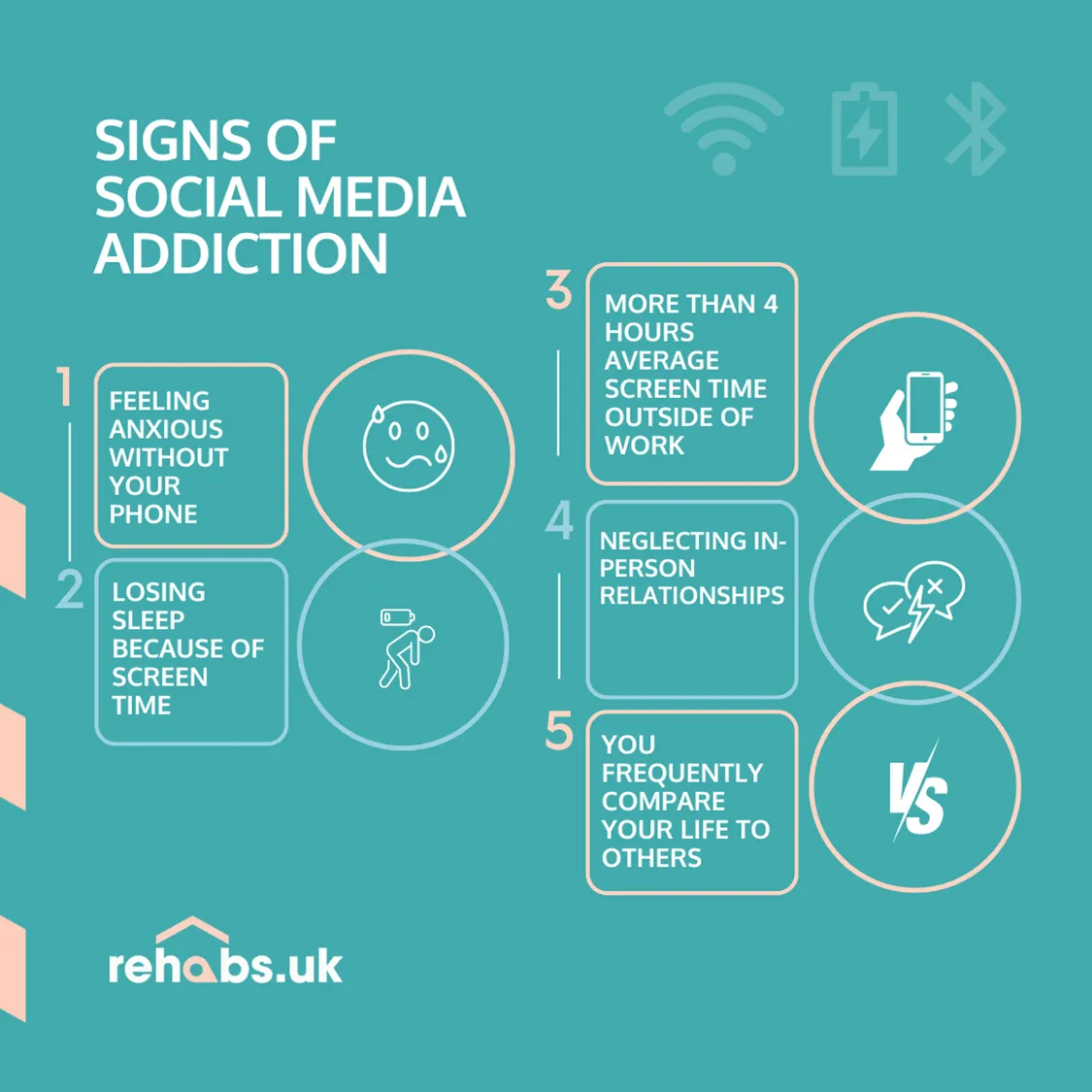
A growing body of neuroscience research is arriving at a striking conclusion: the cognitive and neurological damage accumulated through years of heavy social media use may not be permanent. Deliberate, structured breaks from platforms, sometimes called digital detoxes, can reverse adverse brain changes that researchers now compare in severity to a decade of measurable mental deterioration.
The mechanisms behind the damage are increasingly well-documented. Neuroimaging studies reveal changes in the prefrontal cortex, striatum, and amygdala in heavy users that bear a striking resemblance to clinical addiction. Structural neuroimaging consistently shows gray matter reduction in the prefrontal cortex and related executive-control areas among heavy users, the same region responsible for impulse control and rational decision-making. In 2026, adults average two hours and twenty-one minutes daily on social media, with over five and a half billion users worldwide.
The compulsive nature of that usage is not accidental. Platform-level design features are engineered specifically to exploit psychological reward systems and extend engagement well beyond what users intend. The mechanism is a variable-ratio reinforcement schedule, the same psychological architecture that makes gambling so difficult to walk away from. Each scroll delivers an unpredictable mix of rewarding and neutral content, training the brain to keep pulling the lever in search of the next hit.
A peer-reviewed study published in the Proceedings of the National Academy of Sciences found that friction-based interventions, specifically mandatory pauses before apps open, reduced app openings by 57%, underscoring how much of compulsive scrolling is driven by reflexive habit rather than genuine intent.

The case for recovery, however, is building in parallel. Studies show a one-week social media detox cuts anxiety by 16 percent, depression by 25 percent, and insomnia by 14 percent, with gains most pronounced among those who entered the detox period with the highest severity of symptoms. Researchers framing these benefits in terms of a decade of reversed neurological aging are pointing to the brain's neuroplasticity: the same capacity for rewiring that makes platforms so effective at hooking users also enables recovery when the stimulus is removed.
Between 5 and 10 percent of Americans currently meet clinical criteria for social media addiction, and research shows that three or more hours of daily use significantly increases the risk of anxiety and depression, roughly doubling it. Despite those numbers, "social media addiction" has not yet been formally classified in the DSM-5, a gap that health experts increasingly view as a structural obstacle to treatment.
Health professionals who convened in 2026 to assess the state of social media's impact on mental health described the situation as a live and evolving public health concern, not a settled one. The question researchers are now pressing is not whether sustained platform use reshapes the brain, but how aggressively and how permanently. The emerging evidence on detox suggests the answer to the second half of that question may be more hopeful than the last decade of scrolling would imply.
This article was produced by Prism’s automated news system from verified source data, official records, and press releases, then run through automated quality and moderation checks before publishing. The system is built and supervised by the people who set the standards it runs under. Read our full AI policy.
Did this article answer your question?