Retail earnings from Home Depot, Lowe’s test consumer resilience amid inflation
Home Depot and Lowe’s are testing a frozen housing market as mortgages stay at 6.36%. Inflation has gas up 28.4%, pressuring shoppers even as retail sales rose.
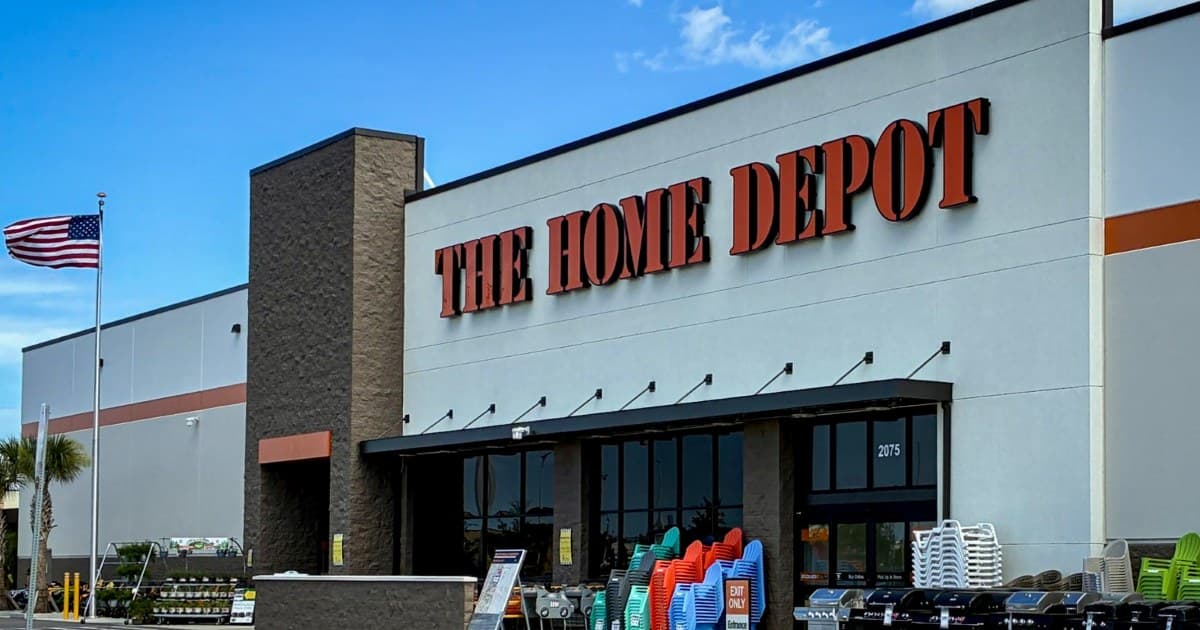
Retail earnings from Home Depot, Lowe’s, Walmart and Target are landing as a real-time test of how much strain American households can absorb. April retail sales still rose to $757.1 billion, up 0.5% from March and 4.9% from a year earlier, but the latest inflation and sentiment data point to shoppers who are spending with more caution as energy, food and shelter costs keep climbing.
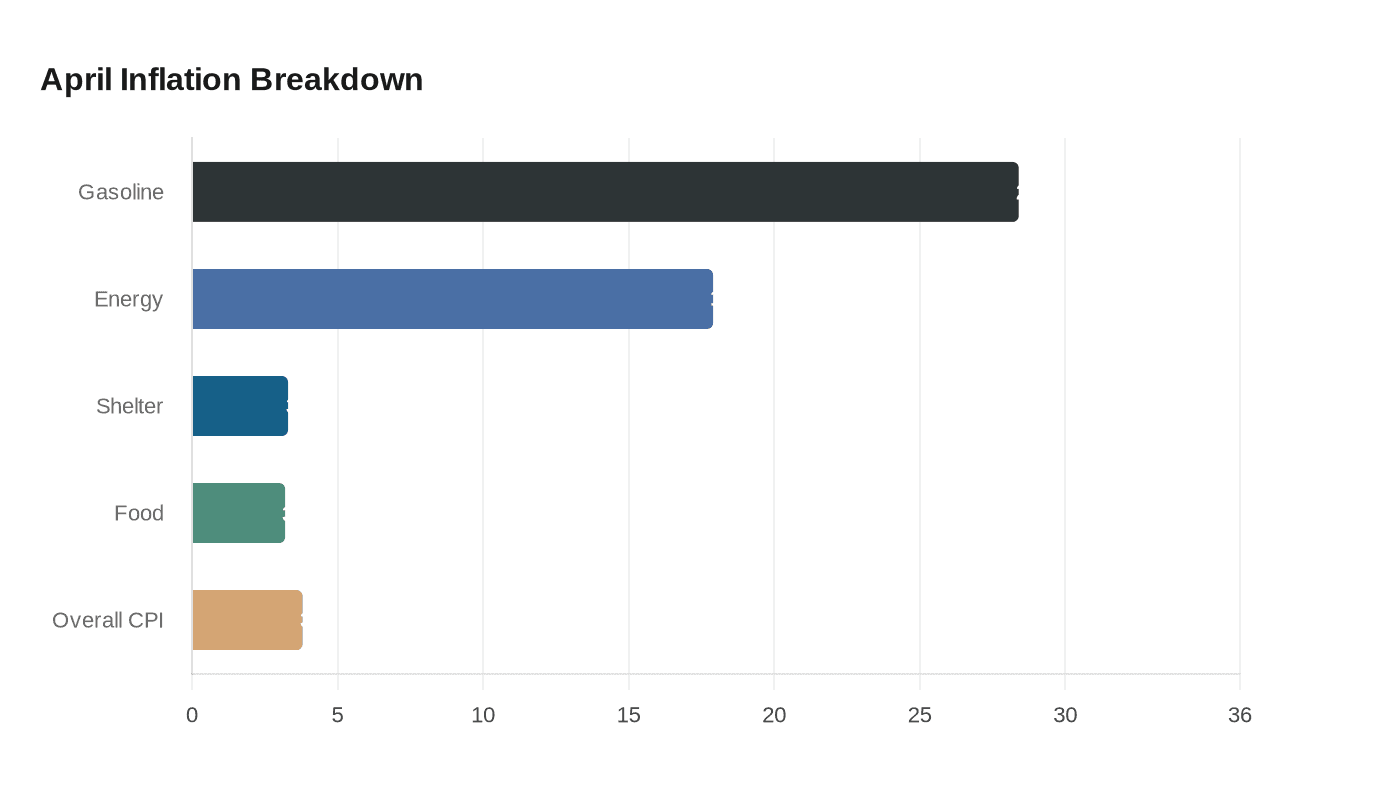
The pressure is clearest in the numbers. The U.S. Bureau of Labor Statistics said consumer prices rose 3.8% in April from a year earlier, with energy up 17.9% and gasoline up 28.4%. Food increased 3.2% and shelter 3.3%, a combination that keeps the squeeze on everyday budgets even when headline spending holds up. At the same time, the University of Michigan’s preliminary May reading on consumer sentiment fell to 48.2 from 49.8 in April, a level Joanne Hsu said was comparable to the trough reached in June 2022.

That backdrop matters most for Home Depot and Lowe’s, where the housing market has stayed too weak to generate a strong wave of do-it-yourself demand. Freddie Mac said the average 30-year fixed mortgage rate was 6.36% as of May 14, just below 6.37% the prior week and still well above 6.81% a year earlier. That is enough to keep turnover subdued and postpone bigger renovation projects, especially when households are already dealing with higher fuel and utility bills. Home Depot’s first-quarter earnings release was due Tuesday at 9:00 a.m. ET, and Lowe’s first-quarter conference call was set for Wednesday at 9:00 a.m. ET.
Walmart and Target will offer a different read on the consumer. Walmart’s fiscal 2026 results covered the year ended Jan. 31, 2026, and chief financial officer John David Rainey said the chain was seeing strong gains in e-commerce and in pickup and delivery orders, especially among higher-income consumers. That suggests a split market, where wealthier shoppers are still spending but more budget-conscious households are leaning harder on value, convenience and essentials. Target, which was also due to report this week, will help show whether that trade-down behavior is spreading beyond groceries and household staples.
For investors, the question is no longer whether consumers are still spending. It is where they are spending, what they are skipping and how long inflation can keep redirecting demand away from home projects and discretionary purchases.
Know something we missed? Have a correction or additional information?
Submit a Tip