Starbucks Korea apologizes after tumbler campaign sparks Gwangju backlash
Starbucks Korea pulled its tumbler campaign after “Tank Day” and “Tak! on the desk” were condemned as mocking Gwangju’s 1980 crackdown.

Starbucks Korea apologized after an online tumbler promotion set off a political firestorm in South Korea, where the language of military rule still carries deep public memory. The chain’s “Tank Day” event began at 10 a.m. on May 18 and offered discounts of 10 percent to 21 percent on a tumbler set, but the wording quickly drew outrage for echoing the 1980 Gwangju pro-democracy movement on its 46th anniversary.
The backlash centered on the timing and the symbolism. The tumbler campaign ran from May 15 to May 26, but critics said the May 18 launch, paired with phrases such as “Tank Day” and “Tak! on the desk,” turned a sales push into an insult to a national trauma. South Korea marked the 46th anniversary of the May 18 Democratic Uprising that day, and the date has been a legal national commemorative day since 1997. In a country where the uprising remains a defining political memory, the campaign was read not as playful marketing but as historical illiteracy.
President Lee Jae-myung publicly condemned the promotion on May 18, calling it unacceptable and saying moral, administrative, legal, and political responsibility should follow. He also questioned whether Starbucks Korea had apologized to bereaved families and victims, underscoring how quickly a branding misstep became a leadership test for one of the world’s most recognizable consumer companies.
The response inside the company was equally swift. Shinsegae Group, which owns Starbucks Korea through E-Mart, said chairman Chung Yong-jin dismissed Starbucks Korea chief executive Son Jung-hyun on May 18 for “inappropriate marketing.” The dismissal signaled that the controversy had moved beyond public relations and into corporate governance, with the parent group forced to show it understood the scale of the backlash.
Victims and bereaved families civic groups also condemned the campaign and demanded an explanation and apology. One civic group representing families tied to the Gwangju uprising said Starbucks Korea was “damaging the spirit of the democracy movement through a shallow understanding of history.” The criticism was sharpened by the phrase “Tak! on the desk,” which many saw as mocking a police explanation linked to the torture death of student activist Park Jong-cheol.
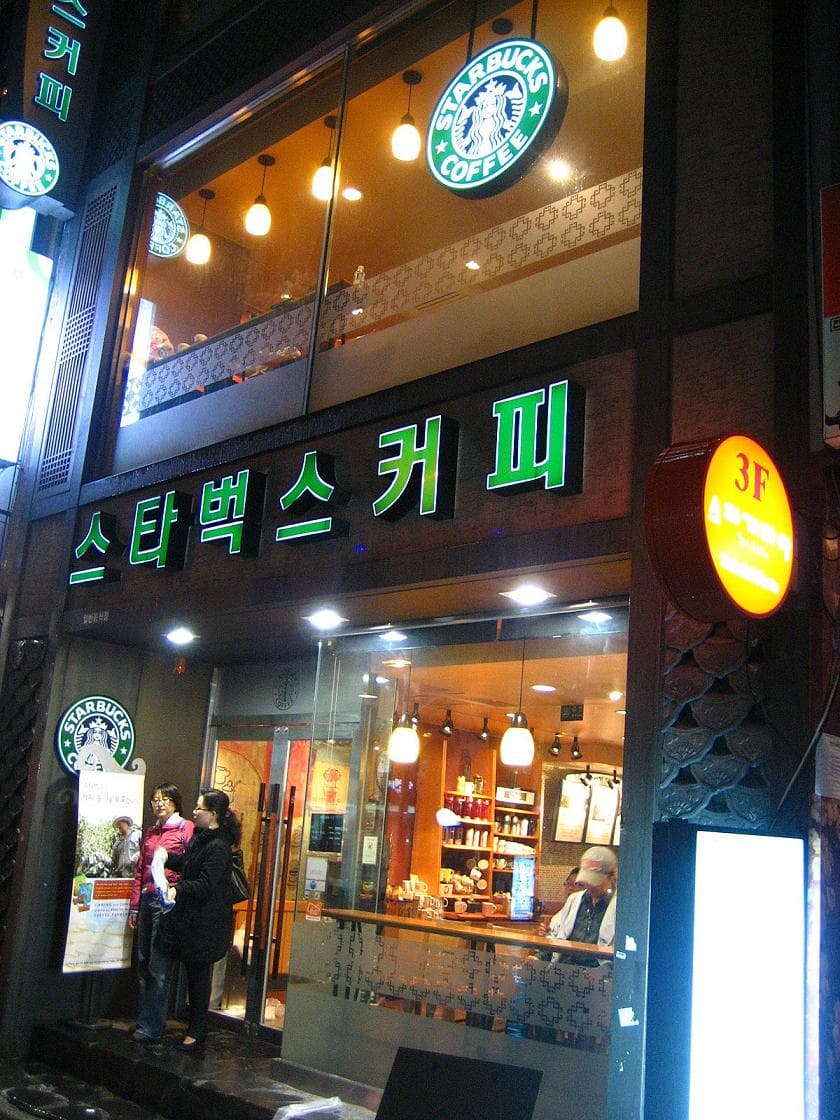
The episode is now a case study in global brand risk: a marketing campaign, launched for a modest discount on tumblers, collided with unresolved political trauma and exposed how badly a multinational can misread local memory. In South Korea, symbolism is not decorative. It is political, and when corporations ignore that fact, the fallout can reach the boardroom in a single day.
Know something we missed? Have a correction or additional information?
Submit a Tip