Reykjavik Schools Expand Mindfulness Program Across Grades 1-10
Reykjavik schools, working with Iceland’s Directorate of Health and local researchers, have rolled out a holistic mindfulness program across primary and lower-secondary grades with both full-school implementation and focused research strands. Preliminary results presented at an education conference on January 9, 2026, showed improved mindfulness, reduced stress, and increased empathy—especially among pre-teen students—prompting plans for wider rollout and more formal evaluation.
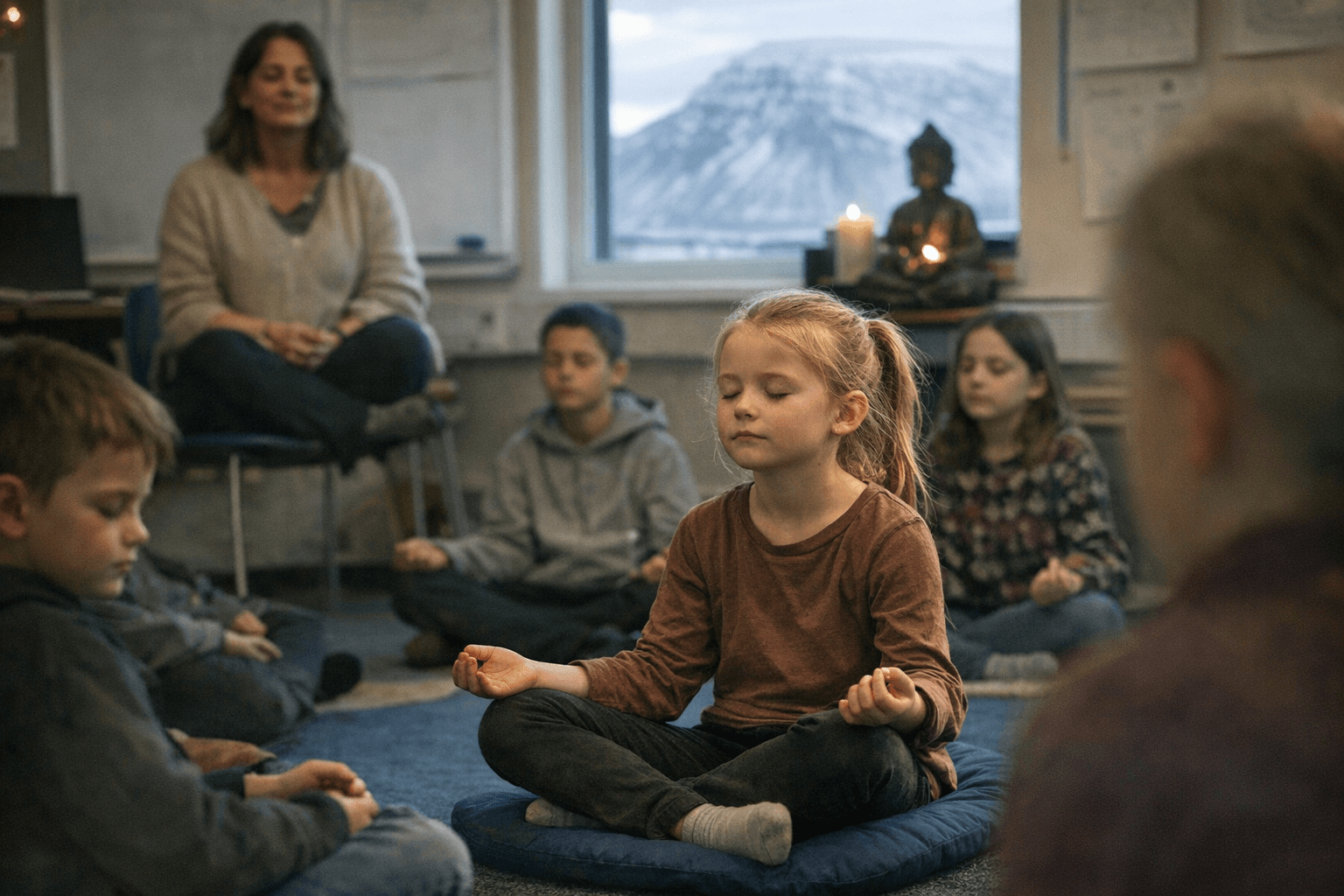
Reykjavik’s municipal schools have moved from pilots to a broader implementation of a mindfulness curriculum that now covers grades 1-10. The initiative, developed from 2017 and expanded with pilot schools in the capital region in 2018, combines a full-school strand that embeds mindfulness across classrooms with a focused research strand that tracks specific cohorts to measure effects more precisely.
Preliminary findings shared at an education conference on January 9, 2026, indicate meaningful gains. Researchers reported higher levels of student mindfulness, lower self-reported stress, and increased empathy scores, with the most pronounced changes observed in pre-teen groups. These early outcomes have been bolstered by classroom observations from teachers and project leaders, who note calmer transitions between activities, improved attention during lessons, and stronger self-empathy among older children navigating puberty.
The collaboration between schools, the Directorate of Health, and local researchers emphasizes adapting evidence-based practices to Icelandic classrooms rather than importing programs wholesale. That local tailoring has shaped both lesson content and delivery so the practices align with national curricula and cultural norms. School leaders say that context-specific adjustments made the program more acceptable to students and staff and helped integrate mindfulness into routine school activities rather than presenting it as an extra task.
For educators and parents, the program’s practical value is immediate. Teachers can expect smoother transitions and better classroom focus; parents may see reductions in stress-related behaviors and greater emotional awareness in children, particularly during the sensitive pre-teen years. The research strand will continue to monitor cohorts to clarify which practices yield the strongest results and how benefits persist over time.
Next steps include continued monitoring, expanding the program to more schools, and commissioning more formal evaluations to guide policy and funding decisions. The effort is being positioned as a component of wider wellbeing and resilience strategies within Icelandic education, aimed at supporting mental health and social skills from early primary years through lower-secondary grades. As the research matures, Reykjavik’s experience will inform how mindfulness can be scaled in a way that respects local classroom realities and the developmental needs of students.
Sources:
Know something we missed? Have a correction or additional information?
Submit a Tip