Rhode Island woman, 100, still works family farm she started
At 100, Viera Mary Shurtleff was still helping run the Rhode Island farm she and her husband Leo bought in the 1950s, a rare case of farm continuity.
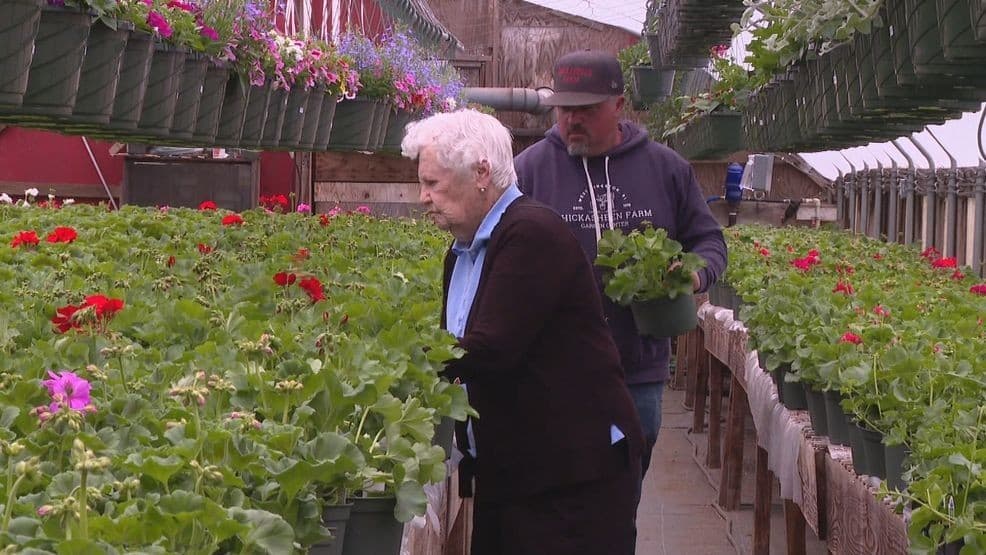
Viera Mary Shurtleff turned 100 while still helping her family run the farm she helped build in West Kingston, Rhode Island. The century mark did not mean retirement for the matriarch of the operation, who remained active in the business and kept working alongside her family.
Shurtleff and her husband, Leo Shurtleff, bought a home and a large plot of land off Kingstown Road in the 1950s. That land purchase gave the family the footing that has kept the farm going for decades, with Mary Shurtleff still connected to the daily work as she reached 100.
Her longevity points to a larger reality in American agriculture: family farms often survive on more than machinery and markets. They depend on land that stays in the family, on older operators who hold decades of practical knowledge, and on a succession plan that can stretch across generations rather than end with one handoff. When that chain breaks, small farms are far more vulnerable to subdivision, debt and pressure from rising land values.
The Rhode Island farm is not the only example of a centenarian still tied to agriculture. In 2013, the U.S. Department of Agriculture profiled Annie Faye Woodson of Texas, saying she had been directly involved in farming and ranching for 76 years. The department said Woodson still made trips to the Fannin County Farm Service Agency office to sign up for farm programs and certify acres, a reminder that the expertise of older farmers often extends beyond the field and into the paperwork that keeps a farm eligible and operating.
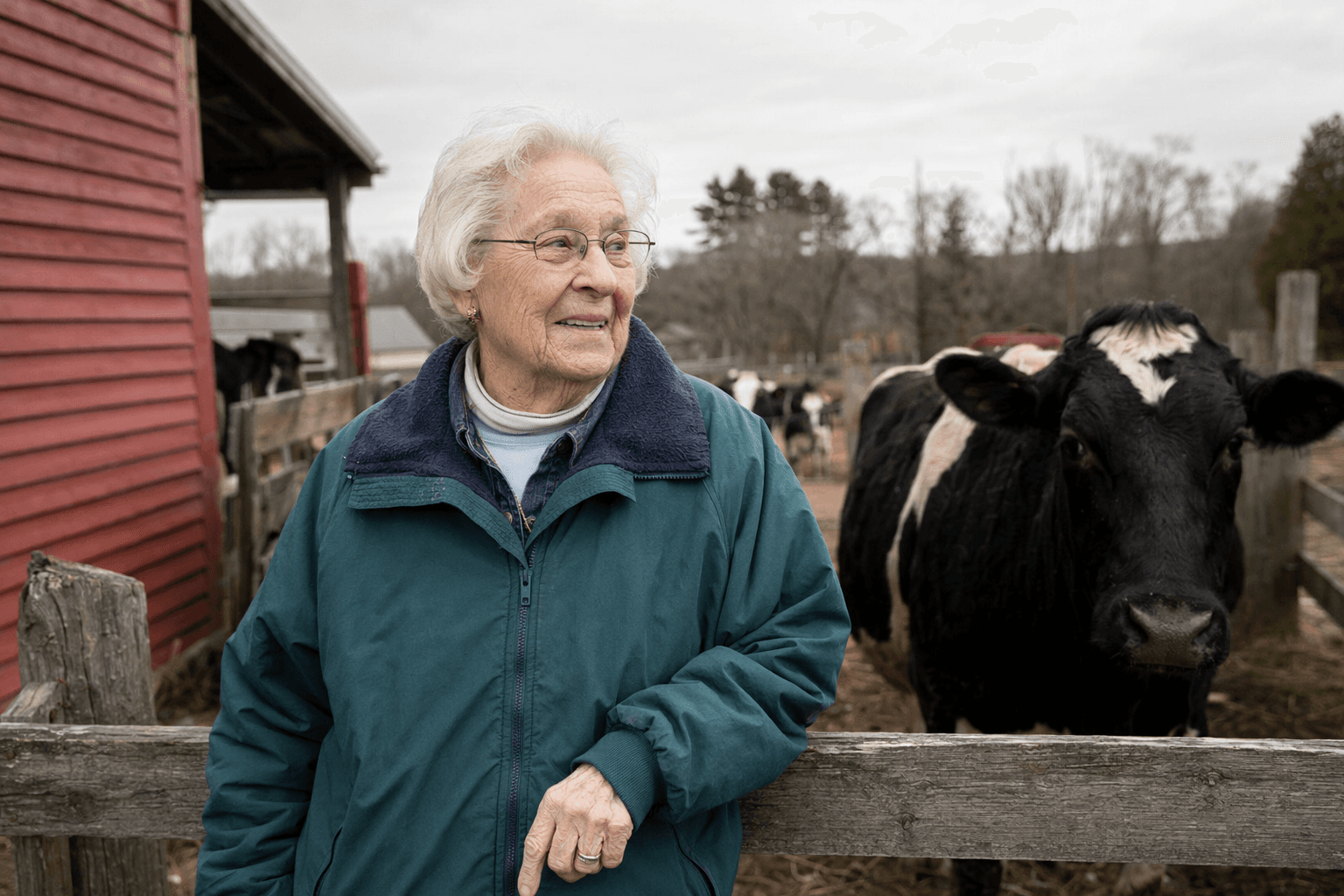
The number of centenarians in the United States is also growing. A recent estimate put the total at about 101,000 people, or 0.03% of the population. In agriculture, that longevity matters because the oldest farmers often carry the institutional memory that younger operators inherit, from how a tract drains after heavy rain to how a family navigates government programs and ownership changes.
Shurtleff’s milestone arrived as women’s roles in agriculture received more attention, including the United Nations’ declaration of 2026 as the International Year of the Woman Farmer. Her life on the land showed that in many family operations, age does not necessarily end responsibility. It can become the bridge that keeps a farm intact long enough for the next generation to take over.
This article was produced by Prism’s automated news system from verified source data, official records, and press releases, then run through automated quality and moderation checks before publishing. The system is built and supervised by the people who set the standards it runs under. Read our full AI policy.
Did this article answer your question?