Rhyolite and Goldwell Draw Crowds, Pressuring Nye County Services
Rhyolite ghost town and the Goldwell Open Air Museum draw visitors to Beatty, boosting tourism but raising access, safety and land-management concerns for Nye County.
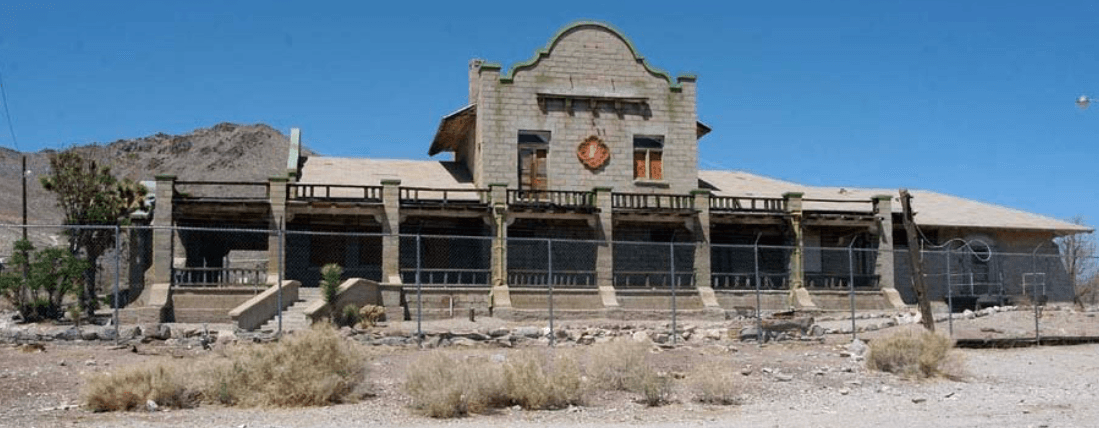
Rhyolite, four miles west of Beatty, continues to be one of the most accessible and visible historic sites in the Death Valley region, drawing day visitors to its Bottle House, train depot and the remnants of the old bank and jail. Immediately adjacent, the Goldwell Open Air Museum’s large outdoor sculptures have become a sunset photo magnet, producing steady foot traffic that benefits Beatty businesses while stressing county infrastructure and management systems.
The site sits on a mix of federal and private land and is managed in part by the Bureau of Land Management. That mixed ownership creates practical and policy challenges: visitors often assume unified management, but property boundaries and different rules can affect access, permitted uses and liability. Interpretive signs and a short walk-around area provide on-site context for tourists, but the lack of consolidated visitor services at the site itself leaves essential needs to Beatty, about four miles east, where gas, lodging and food are concentrated.
For Nye County officials and Beatty leaders the economic upside is clear. Day-trip traffic funnels spending into local hotels, restaurants and service stations and raises Nye County’s visibility for rural tourism. At the same time, county public works, emergency services and land-management partners face costs for signage, road maintenance, search-and-rescue readiness and public-safety outreach. Cell coverage, potable water and restroom access are recurring operational gaps that influence both visitor safety and long-term preservation of fragile historic structures.
Institutional coordination will determine whether Rhyolite and Goldwell provide sustainable local benefit or an accelerating burden. The BLM’s role in federal parcels must be matched by clear private-land signage and County oversight where roads and emergency response are concerned. Decisions by the Nye County Commission and Beatty town leadership about parking management, restroom facilities, interpretive programming and event permitting will shape visitor behavior and fiscal outcomes. Funding options include federal and state heritage grants, tourism lodging tax allocations and public-private partnerships with local businesses and arts groups.
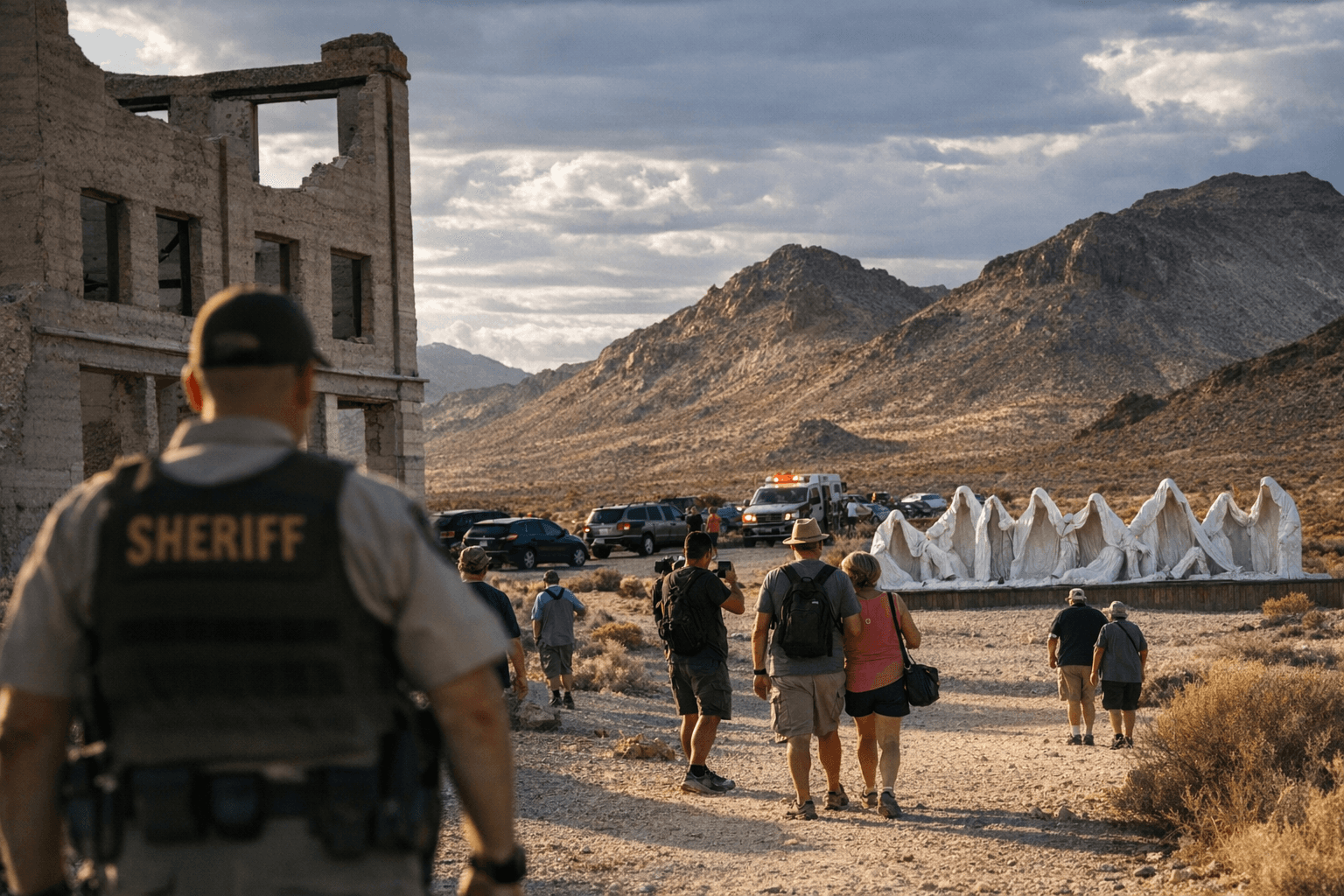
Community engagement matters. Local voters and stakeholders can influence priorities through commission meetings, budget hearings and volunteer stewardship projects that reduce county costs and enhance visitor education. For photographers and “sunset shooters,” compliance with posted hours and respect for private boundaries will limit conflicts and legal risk.
Practical advice for visitors remains straightforward: bring water, sun protection and sturdy footwear; plan services in Beatty; and visit during daytime hours unless specifically permitted otherwise. For county leaders, the near-term task is to translate Rhyolite’s popularity into durable infrastructure and stewardship plans that protect historic resources while sustaining Beatty’s economic gains. What comes next will be decided at the level of local policy and community action, choices that will determine whether Rhyolite remains a community asset rather than a management headache.
Sources:
Know something we missed? Have a correction or additional information?
Submit a Tip