Rising jet fuel costs squeeze profits at major U.S. airlines
Record revenue did not save major U.S. airlines from a fuel shock. American now expects its 2026 fuel bill to jump more than $4 billion, and the fallout is already hitting fares and capacity.
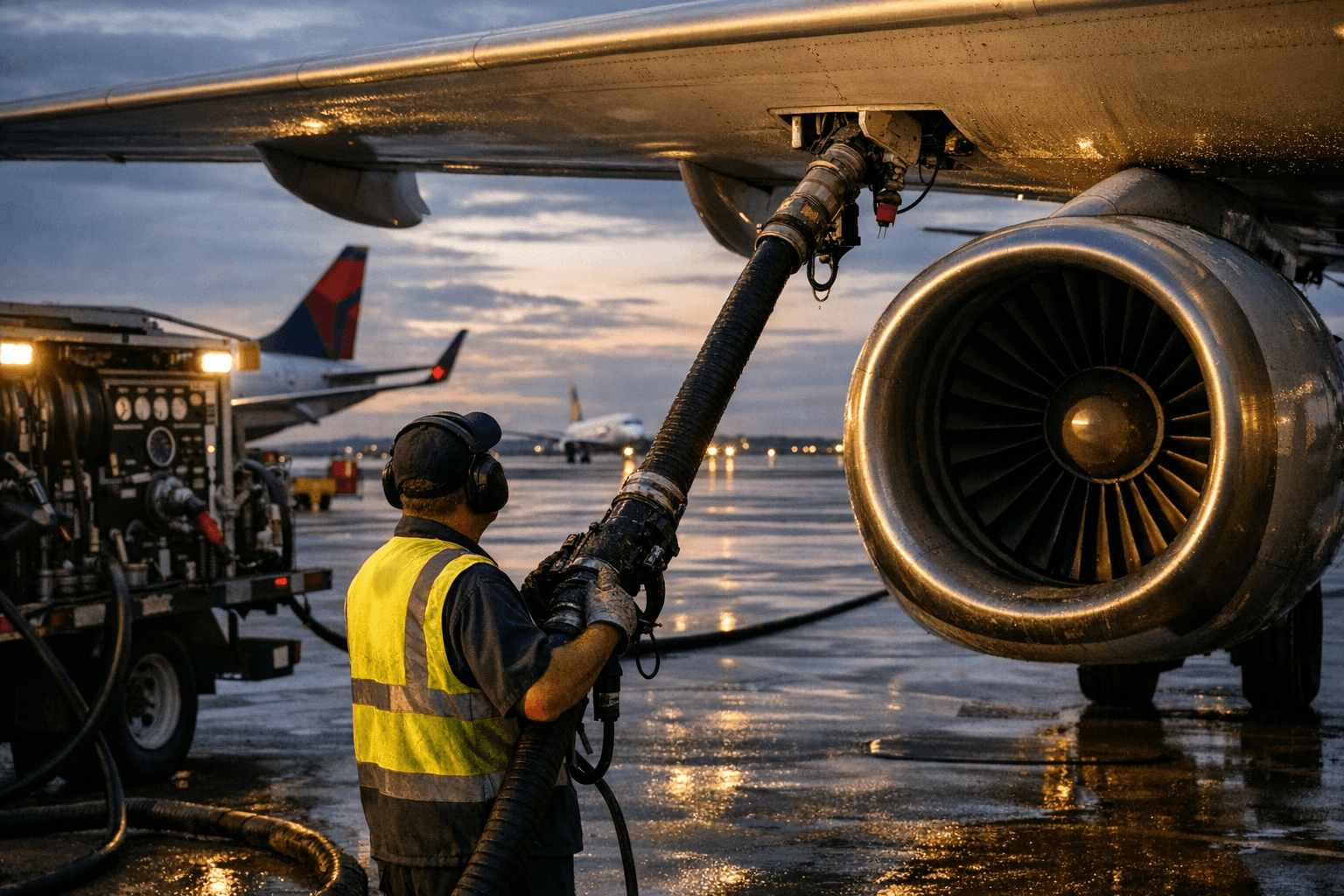
Higher jet fuel costs are quickly turning strong sales into weaker profits, and the consumer math is simple: when fuel climbs, airlines have less room to cut fares, keep marginal routes open, or preserve service levels. American Airlines said its fuel bill is expected to rise by more than $4 billion in 2026, a hit big enough to push the lower end of its profit forecast into a loss. Jet fuel prices were around $4 a gallon in the second quarter, and the surge is forcing carriers to rework pricing and capacity plans just to protect margins.
That pressure has landed even as the industry posted a strong first quarter. American, Delta Air Lines, United Airlines and Southwest Airlines all reported record revenue, but higher fuel costs swallowed much of the gain. American still posted a net loss of $382 million in the first quarter despite that revenue strength, underscoring how quickly fuel can erase the benefit of fuller planes and higher ticket sales. Airlines’ biggest expense after labor is fuel, and the current spike is hitting a business that already operates on thin margins.
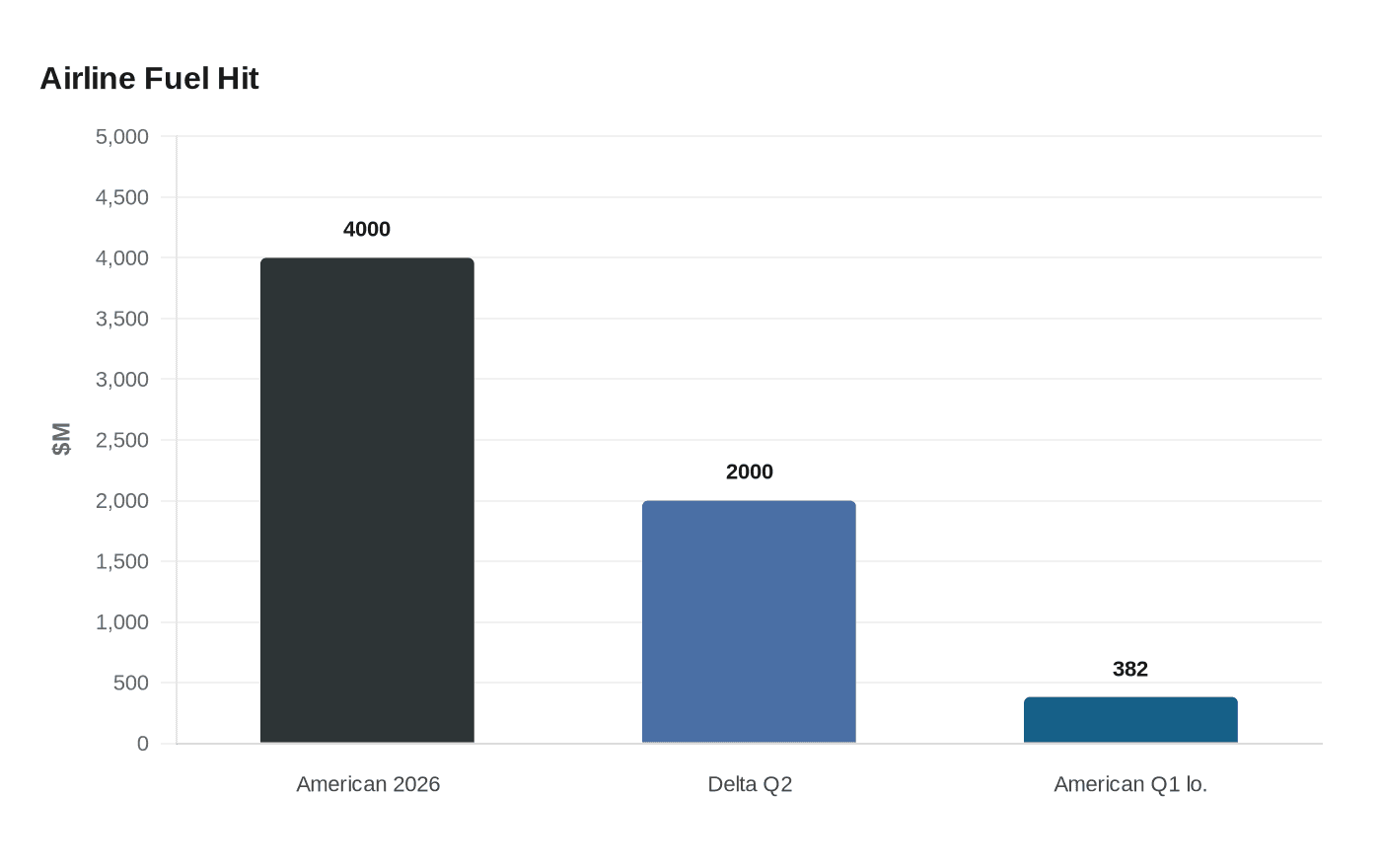
American’s warning was the sharpest. The carrier cut its 2026 profit forecast on April 23, and the lower end of the range moved into a loss as sky-high jet fuel costs squeezed profitability. Delta said its fuel bill would be $2 billion higher in the second quarter alone, and it has been reducing capacity. Southwest Airlines chief executive Bob Jordan called jet fuel a “billion dollar headwind” in the second quarter. United said it would work to recover higher jet fuel prices and adjust capacity and pricing, a sign that fare increases and tighter schedules may be needed to defend earnings.
The broader problem is structural. U.S. airlines generally do not hedge fuel costs as aggressively as many European carriers, which leaves them more exposed when oil prices jump. That makes the sector especially vulnerable to geopolitical shocks such as the Iran war, which helped drive oil higher in the first quarter of 2026. For travelers, the result is likely to be fewer low-fare bargains, less room for airlines to add flights on weaker routes, and more pressure for service cuts if fuel stays elevated. Even after a strong quarter, the industry is being reminded that revenue growth does not guarantee cheap, reliable travel when the fuel tab surges.
This article was produced by Prism’s automated news system from verified source data, official records, and press releases, then run through automated quality and moderation checks before publishing. The system is built and supervised by the people who set the standards it runs under. Read our full AI policy.
Did this article answer your question?

