Rivian developing new R2 variants as cheaper SUV production starts
Rivian is already planning more R2 variants as it starts output of a $57,990 SUV, sharpening the fight for buyers below the premium EV tier.

Rivian is moving to widen the R2 line even as production begins, a sign the company wants its new SUV platform to become a family of models, not just a single launch vehicle. The strategy turns R2 into a test of whether an EV maker known for premium trucks and SUVs can finally compete for the middle of the market, where price, scale and range matter as much as brand appeal.
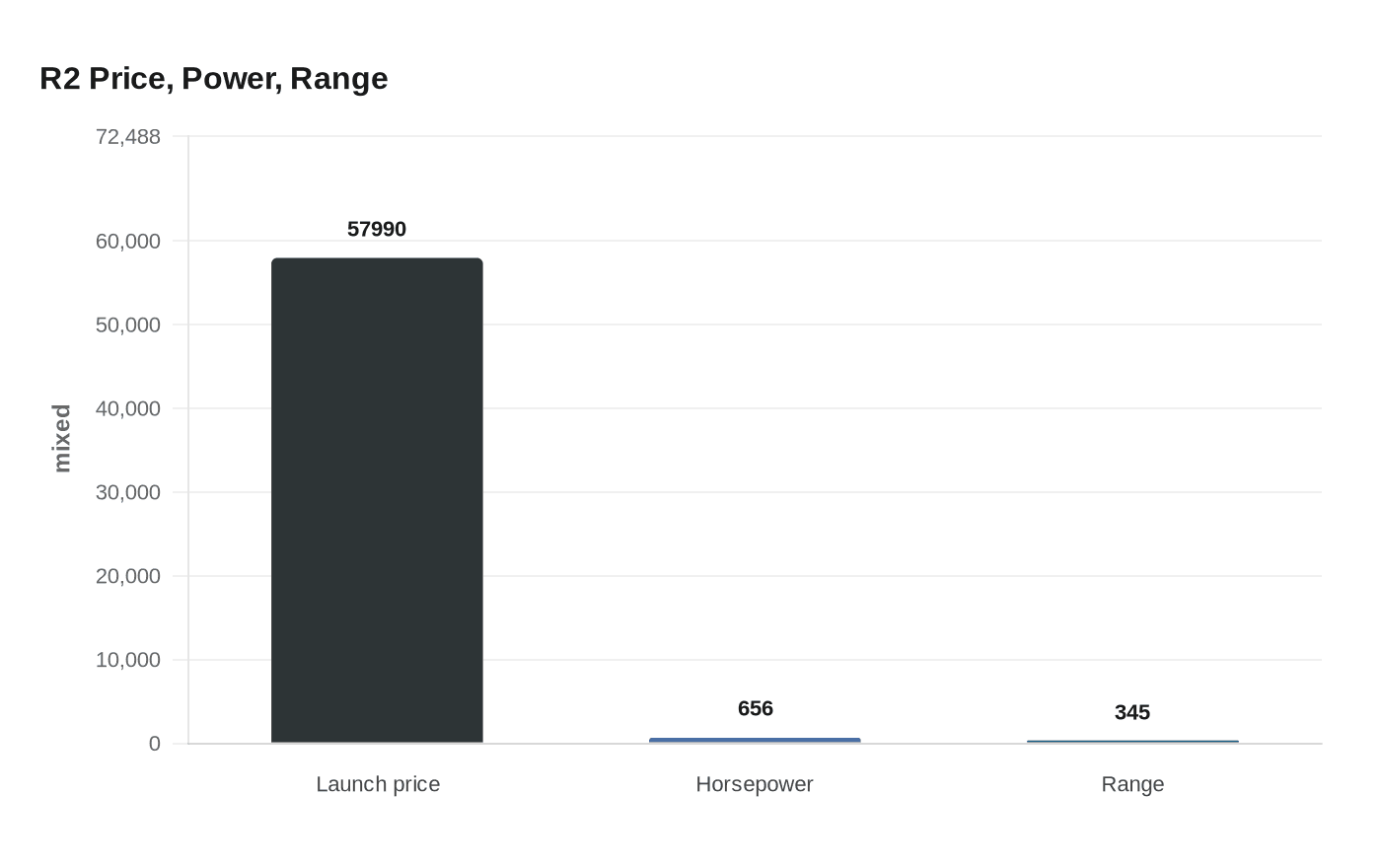
Rivian said R2 deliveries were set to begin in spring 2026, starting with the R2 Performance Launch Package priced at $57,990. Additional Premium configurations were slated for late 2026, with Standard versions to follow in 2027. The company said the lineup would reach as much as 656 horsepower and an estimated 345 miles of range. A lower-cost trim around $45,000 with more than 275 miles of range is expected by late 2027, a level that would move Rivian closer to shoppers comparing electric SUVs with both Tesla and conventional gasoline models.
Chief executive RJ Scaringe said Rivian is designing its Georgia factory to support different variations of the R2. He also said there are other variants not yet shown and added, “So clearly there could be an R2X,” while declining to announce specific programs. Rivian has already unveiled the related R3 crossover and R3X performance variant, underscoring that the company is thinking about a broader product ladder around the same platform.
The timing matters because Rivian still needs the R2 to do more than attract attention. The company said it expected 2026 deliveries of 62,000 to 67,000 vehicles, with second-quarter deliveries projected at 9,000 to 11,000. That implies a back-half ramp that depends heavily on R2 production and the company’s ability to move beyond a business built on higher-priced R1 trucks and SUVs.
Analyst Andres Sheppard of Cantor Fitzgerald said R2 could materially boost sales and capture additional EV market share. Rivian also has a major commercial anchor in Uber’s $1.25 billion robotaxi deal, which calls for 10,000 fully autonomous R2 vehicles beginning in 2028. If Rivian can convert those plans into high-volume, lower-priced sales, R2 could define its next chapter. If not, the company’s push into the mass market will remain a promise rather than a breakthrough.
This article was produced by Prism’s automated news system from verified source data, official records, and press releases, then run through automated quality and moderation checks before publishing. The system is built and supervised by the people who set the standards it runs under. Read our full AI policy.
Did this article answer your question?

%3Amax_bytes(150000)%3Astrip_icc()%2FCertificate-of-deposit-2301f2164ceb4e91b100cb92aa6f868a.jpg&w=1920&q=75)
