Rome opens subway station beneath Colosseum, showcasing ancient artifacts
Rome’s newest subway stop sat 30 meters below the Colosseum, where commuters passed ceramic vases, wells and a first-century bath on the way to the train.
Rome turned a routine transit opening into a lesson in public history, unveiling the Colosseo/Fori Imperiali station beneath the Colosseum as a subway stop and an archaeological display at once. The station opened on December 16, 2025, alongside Porta Metronia, as part of Metro Line C, adding about 3 kilometers of underground track to a project that had spent decades threading modern infrastructure through one of the world’s most excavation-sensitive city centers.
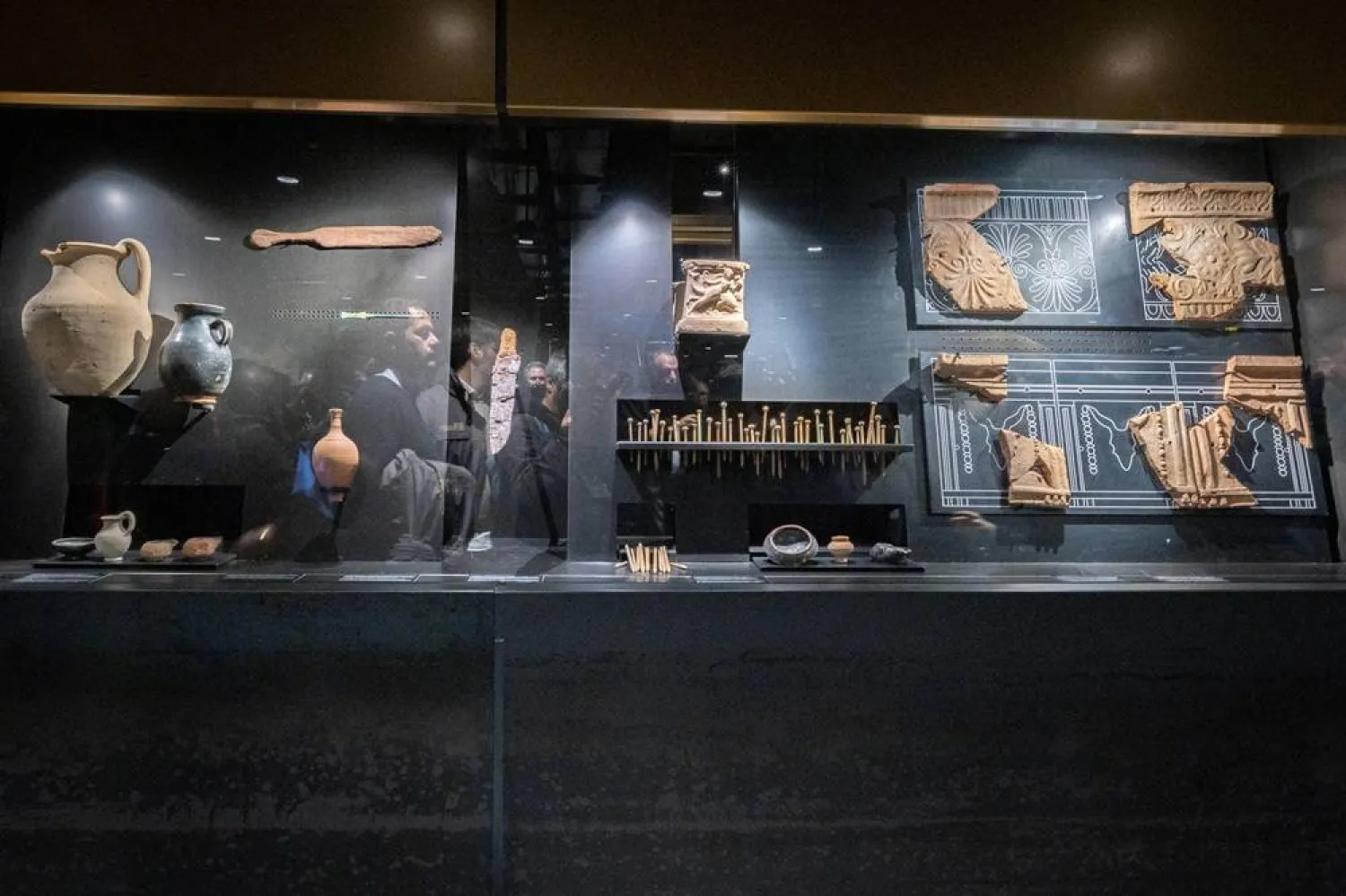
At roughly 30 meters, or 100 feet, below street level, the Colosseo station was designed to showcase what construction crews uncovered while digging through Rome’s layered past. The display included ceramic vases and plates, stone wells, suspended buckets, and the remains of a cold plunge pool and thermal bath from a first-century dwelling. The station functioned as a museum-like corridor as much as a transit hub, with archaeological finds placed where riders could see them before reaching the platforms.
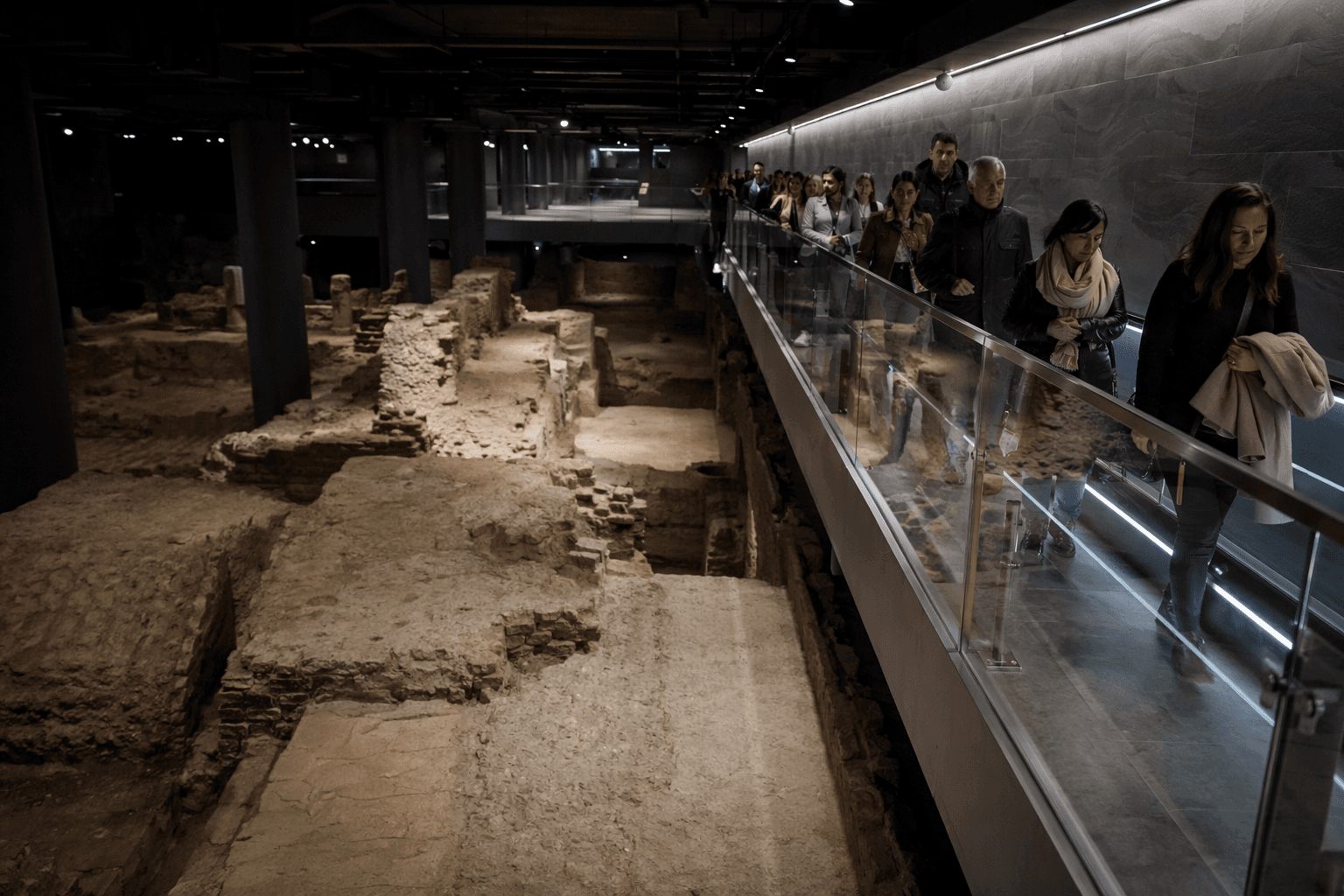
The scale of the excavation underscored the challenge. Planning for Line C began in the 1990s, but progress slowed repeatedly as engineers moved through dense archaeological strata beneath central Rome. Some of the most delicate work had to be done by hand to protect remains buried under the capital’s historic core. Across the Line C excavations, officials said more than 500,000 artifacts were recovered, a reminder that in Rome even a transport project can become a major dig.
Porta Metronia added another historical layer to the opening. The station revealed a vast ancient military compound dating to the second century A.D., reinforcing the sense that the new line was built not just under neighborhoods, but under an active archaeological landscape. Together, the two stations linked contemporary mobility with material evidence of the city’s imperial and late antique past.
City leaders cast the opening as proof that Rome can expand its transit network without treating preservation as an obstacle to be cleared away. Mayor Roberto Gualtieri called the stations a milestone for the city. Webuild, which led the line’s development with the Metro C consortium, said the excavation itself had been turned into a public showcase of Rome’s heritage. The Colosseo/Fori Imperiali stop also gave passengers direct access to major archaeological sites in the historic center and a key interchange with Line B, making the new station both a commuter junction and a civic exhibit of how Rome still builds on top of itself.
This article was produced by Prism’s automated news system from verified source data, official records, and press releases, then run through automated quality and moderation checks before publishing. The system is built and supervised by the people who set the standards it runs under. Read our full AI policy.
Know something we missed? Have a correction or additional information?
Submit a Tip