Rubio says Iran deal could take days as US launches fresh strikes
Rubio said an Iran deal could come in days even as U.S. strikes hit southern Iran, exposing a fragile mix of talks and force.
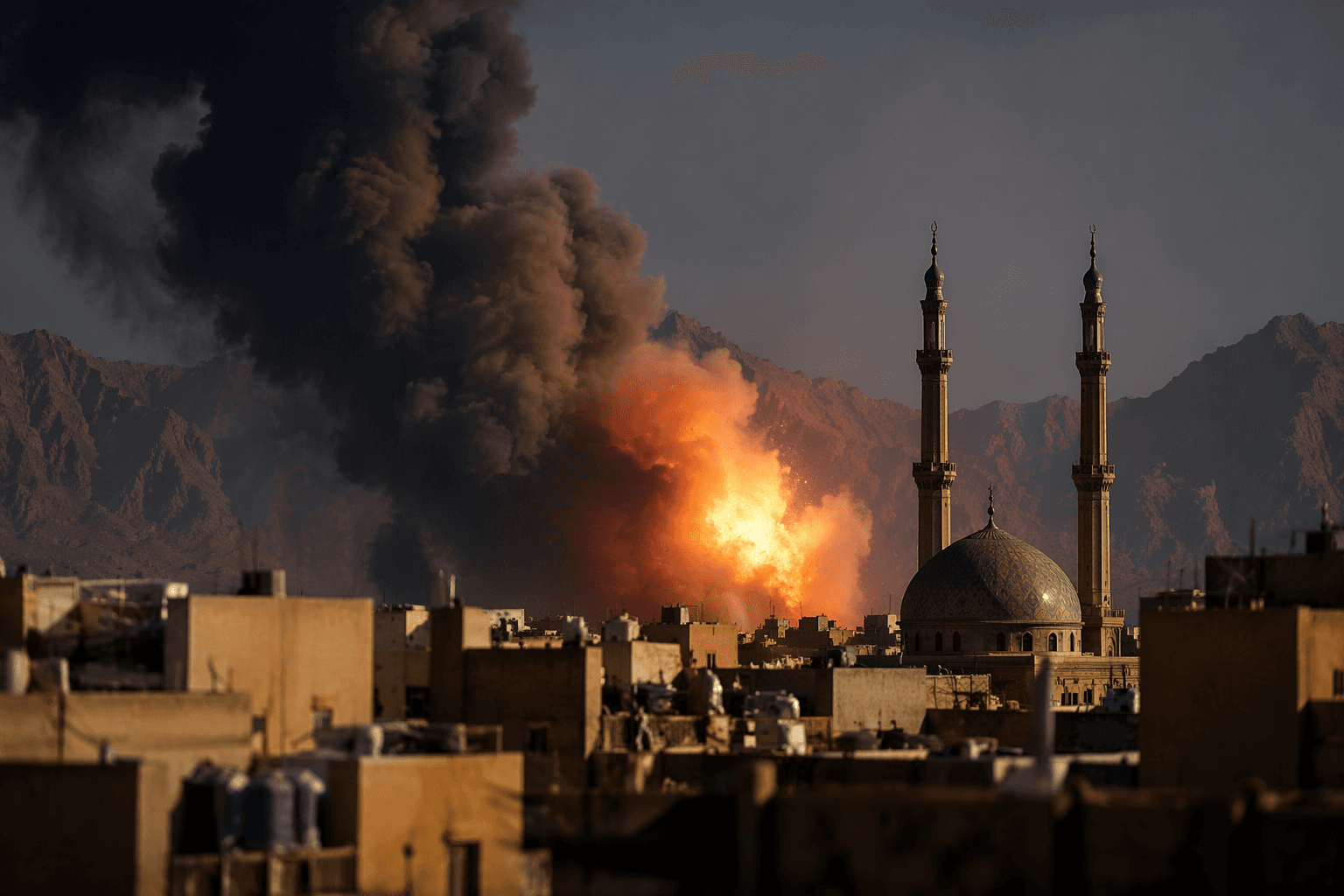
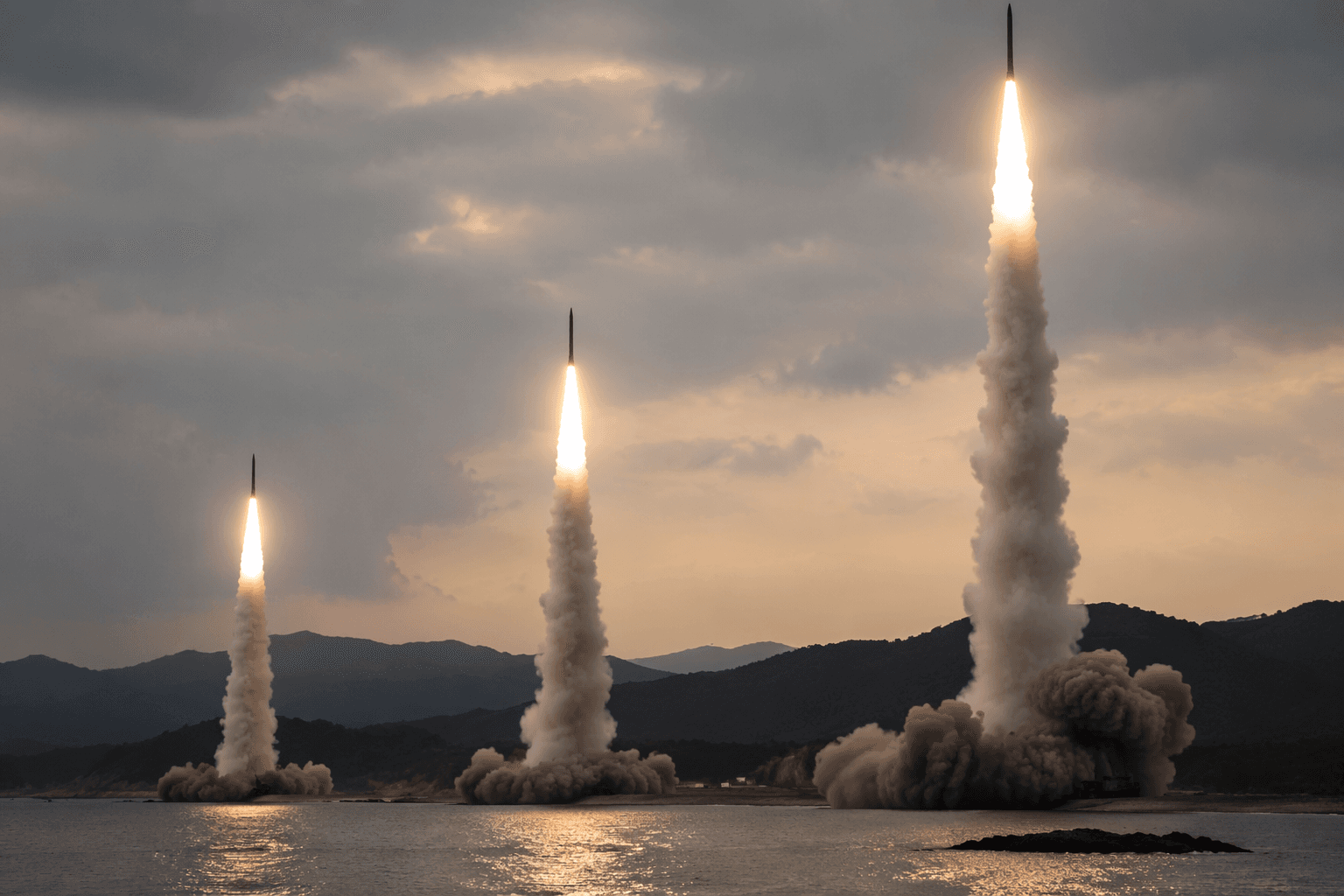
U.S. diplomacy with Iran looked close enough to move in days, but American strikes kept landing in southern Iran, underscoring how quickly negotiations and coercion are colliding. Marco Rubio said a deal could “take a few days” even as U.S. forces hit boats accused of trying to lay mines and missile launch sites, in operations U.S. Central Command said were meant to protect U.S. troops from Iranian threats.
The talks were active in Doha, where Iran’s top negotiator and foreign minister met with Qatar’s prime minister. The discussions centered on the Strait of Hormuz, Iran’s stockpile of highly enriched uranium and the possible release of frozen Iranian funds. Rubio said there was a “pretty solid thing on the table” for reopening the strait, while also describing the nuclear track as a “very real, significant, time-limited negotiation.”
Donald Trump pushed the same tension even further. He said the talks were going “nicely,” warned there could be fresh attacks if they failed, and wrote on Truth Social that it would be “a Great Deal for all, or no Deal at all.” Just days earlier, Trump had said a peace deal to reopen the Strait of Hormuz was “largely negotiated,” and Iran’s foreign ministry said any early accord would begin with a memorandum of understanding before broader talks within 30 to 60 days.
That mixture of threat and dealmaking has been central to the dispute over Hormuz itself. Rubio said on May 21 that any tolling system in the strait would be “unacceptable and illegal,” and said it would make diplomacy unworkable. He also said the U.S. had a United Nations Security Council resolution on the issue backed by more than 100 co-sponsors, which he described as the highest number in the council’s history.
The human cost has also been part of the argument Washington is making. On May 5, Rubio said roughly 23,000 civilians from 87 countries were stranded in the Gulf and that at least 10 sailors had died, framing the blockade as a freedom-of-navigation crisis as much as a military one. Reuters also reported that Iran said it had downed a “hostile” stealth drone with a new air-defense system, while Israel intensified strikes against Hezbollah in Lebanon, widening the regional pressure around the talks.
The problem for any agreement is plain: negotiations are proceeding under fire. If coercion and diplomacy are meant to reinforce each other, the next few days may prove it. If they are working at cross-purposes, the result could be a deal that is harder to trust and easier to unravel.
Know something we missed? Have a correction or additional information?
Submit a Tip