Rubio to face Congress as Iran war powers fight escalates
Rubio faced lawmakers as Congress pushed war powers limits on Iran, demanding an endgame while diplomacy and battlefield claims diverged.

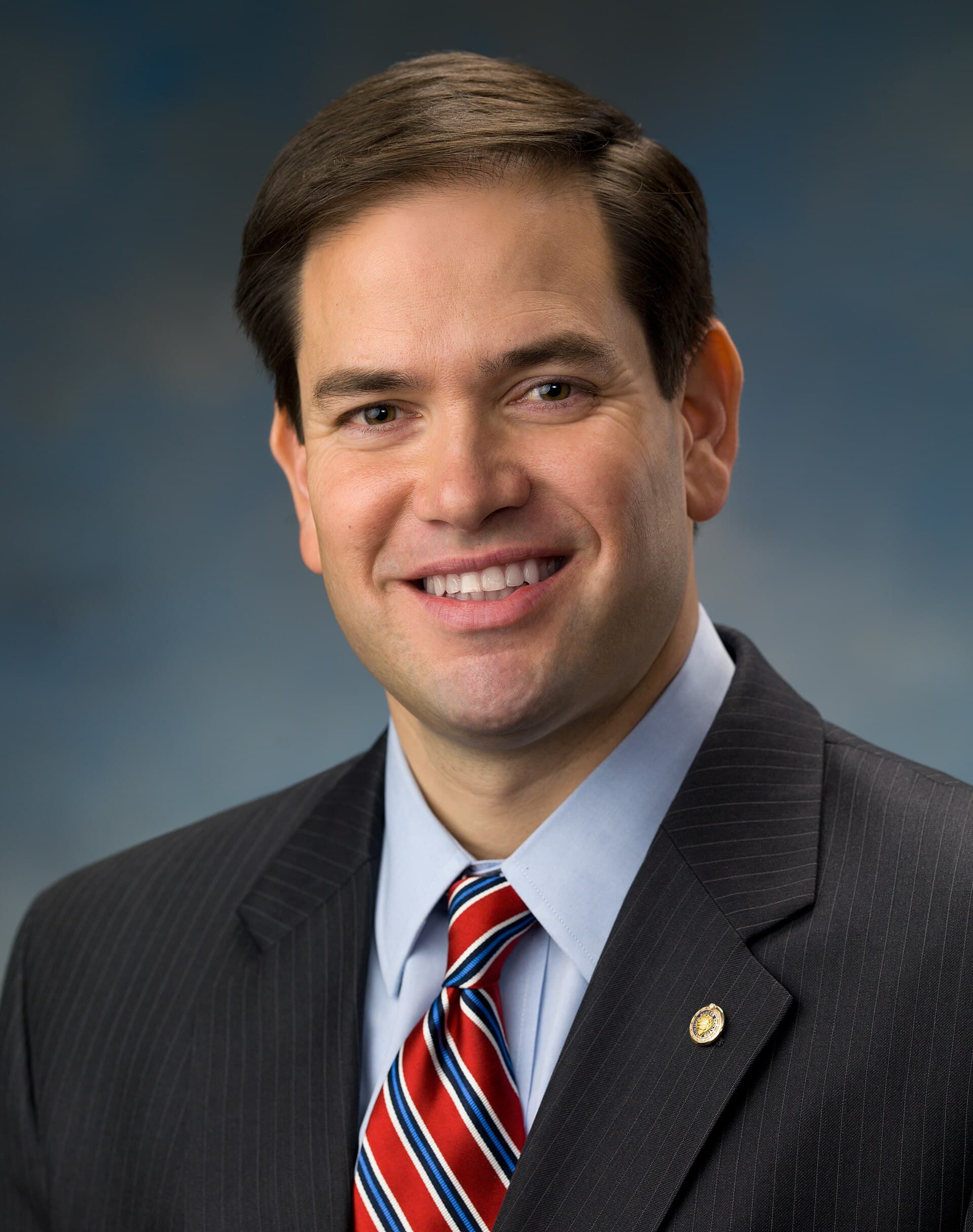
Marco Rubio faced Congress publicly for the first time since the war began, and lawmakers used the moment to press a basic question: what does Washington still want from Iran, and how much leverage does the administration actually have left as the conflict widens?
The testimony came after Congress had already begun asserting its war powers authority. On March 4, 2026, Jared Gottheimer and nine other lawmakers introduced H. Con. Res. 75 to direct the president to remove U.S. Armed Forces from hostilities against Iran. On April 16, 2026, Brian Fitzpatrick introduced H. J. Res. 156, a measure that would require the president to comply with War Powers Resolution withdrawal deadlines tied to Operation Epic Fury in Iran. Both resolutions say Congress has not declared war and that U.S. forces were introduced into hostilities on Feb. 28, 2026.
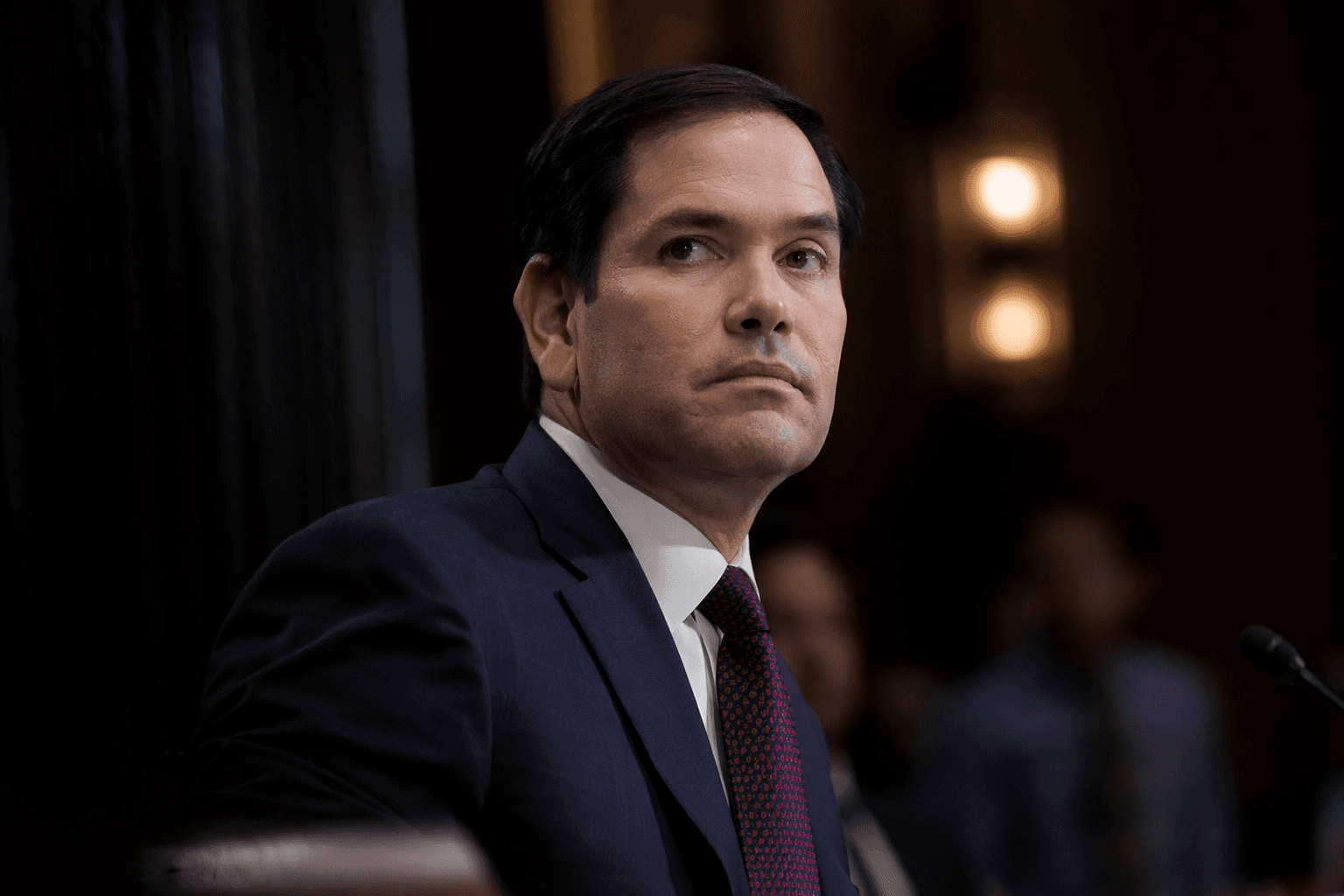
The administration has said Operation Epic Fury is meant to eliminate Iran’s short-range ballistic missile threat and the threat posed by its navy. Rubio has argued publicly that Iran’s missile buildup and nuclear ambitions justified the operation, and officials said they believed Tehran would respond if attacked. That argument has done little to calm lawmakers who see a widening conflict without a clear exit.
Rubio’s own diplomatic line has underscored the tension. In late May, he said the Iran talks were “a work in progress” and said the United States had “a pretty solid thing on the table” involving reopening the Strait of Hormuz and a nuclear deal, while diplomacy was still being given a chance. Those comments now sit uneasily beside the reality facing Congress, where members from both parties have grown more frustrated with the costs of the conflict and the administration’s lack of a defined endgame.
House efforts to halt the war stalled after testimony from Adm. Brad Cooper, sharpening the pressure on Rubio to explain how U.S. policy can still claim room for diplomacy while the military campaign continues. The fight now centers on executive accountability as much as Iran itself: whether the administration can show Congress a credible path that limits U.S. exposure, prevents regional spillover, and matches its public diplomacy with the reality on the ground.
This article was produced by Prism’s automated news system from verified source data, official records, and press releases, then run through automated quality and moderation checks before publishing. The system is built and supervised by the people who set the standards it runs under. Read our full AI policy.
Know something we missed? Have a correction or additional information?
Submit a Tip