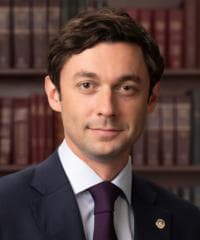
Rubio to Testify Against Former Friend and Roommate Rivera in Venezuela Lobbying Case
Secretary of State Rubio testified Tuesday against his former roommate David Rivera, 60, who faces 11 counts including FARA violations and money laundering in a $50M Venezuela lobbying scheme.
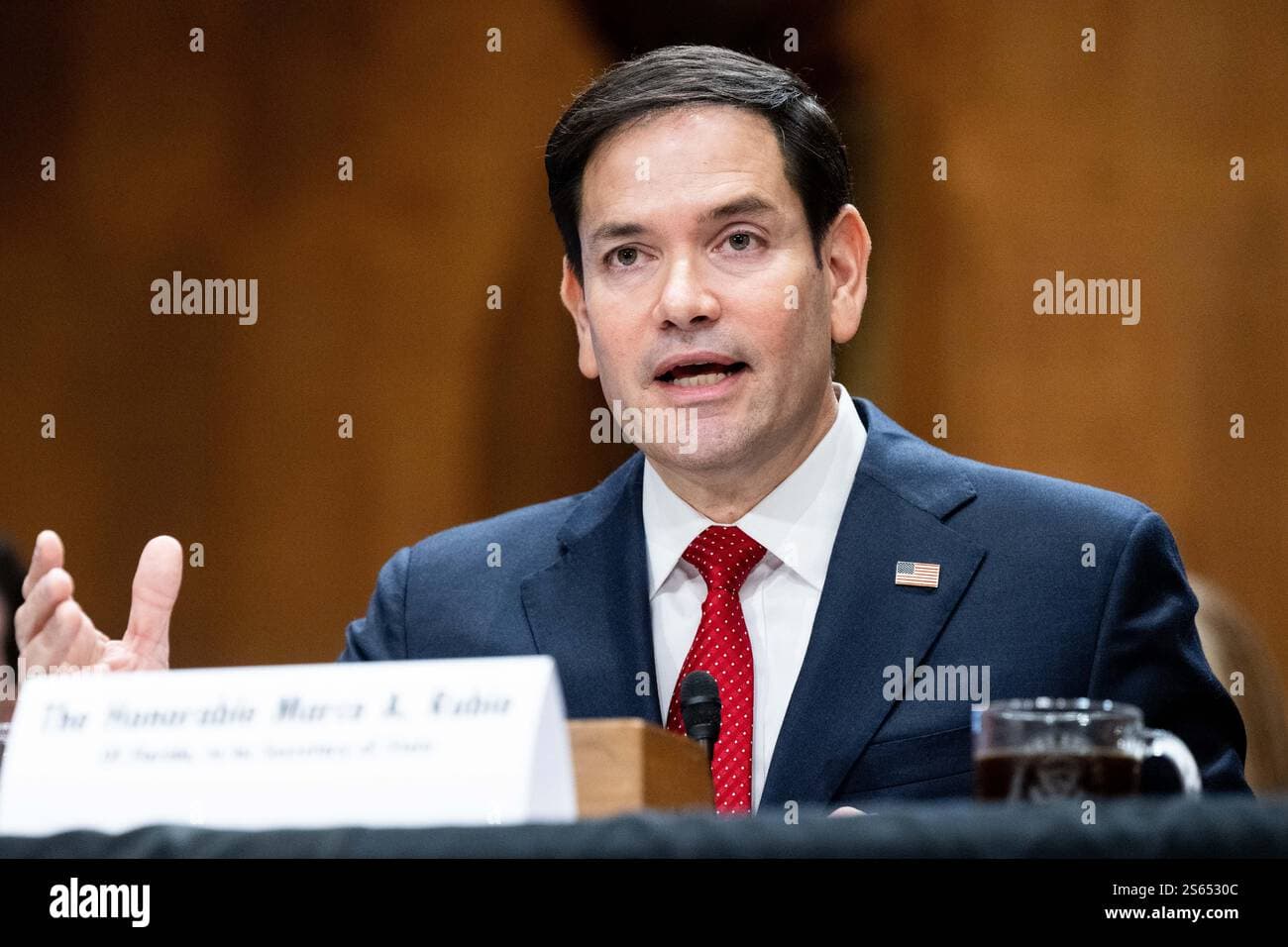
Prosecutor Roger Cruz opened the trial with a blunt frame: "This case is about two things: greed and betrayal." The target of that accusation, David Rivera, once shared a Tallahassee home with the man now sitting at the top of American diplomacy.
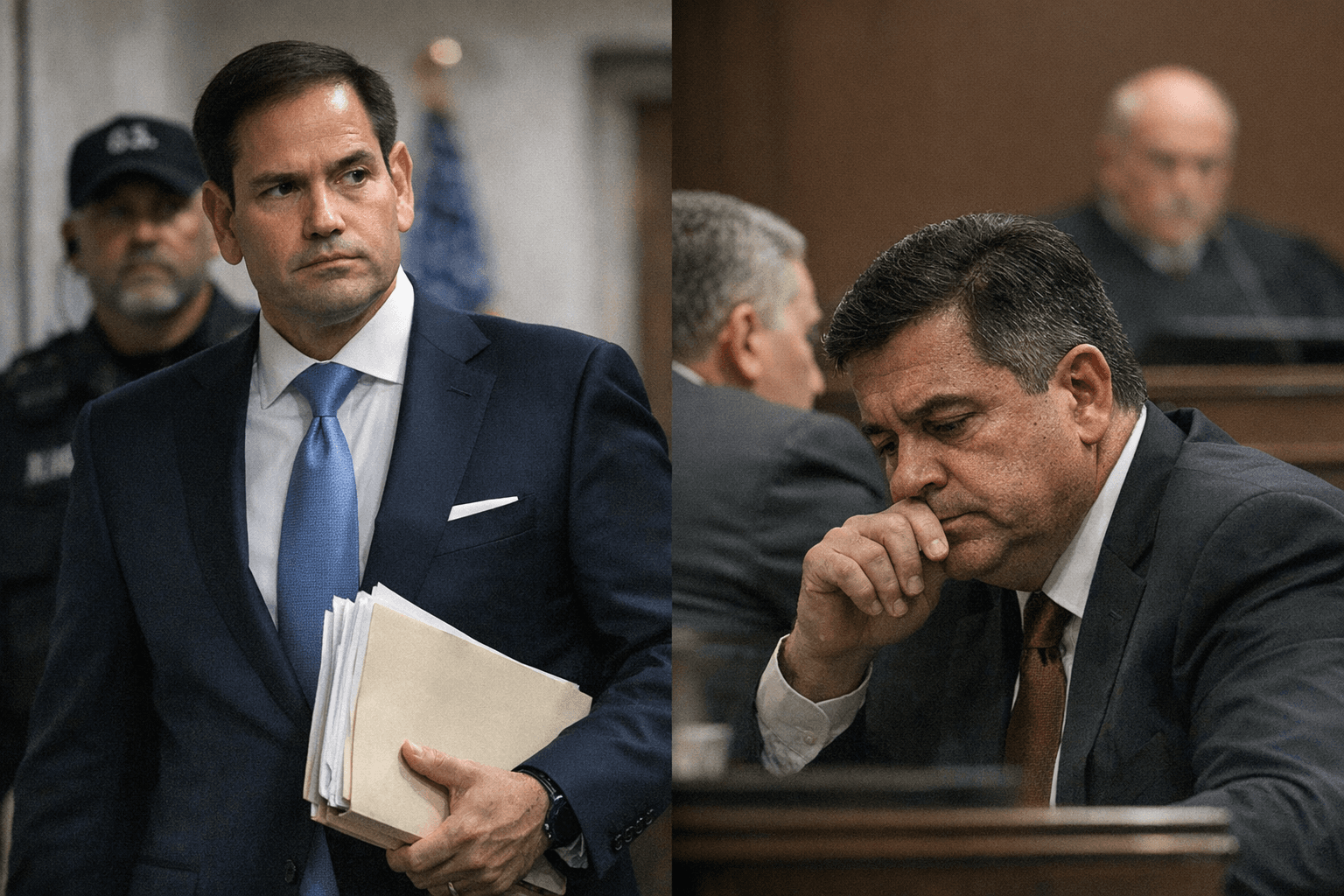
Secretary of State Marco Rubio testified Tuesday in the federal trial of Rivera, a longtime political ally, friend, and former housemate accused of secretly lobbying for Venezuela's government. The testimony was historically unusual: not since Labor Secretary Raymond Donovan testified at a mafia trial in 1983 has a sitting member of the president's Cabinet taken the stand in a criminal trial.
Prosecutors say that between 2017 and 2018, Rivera and his co-defendant, political consultant Esther Nuhfer, lobbied U.S. officials, including Rubio, with the goal of reestablishing diplomatic relations between the United States and Venezuela on behalf of former president Nicolás Maduro's government. According to the indictment, both Rivera, 60, and Nuhfer, 51, acted as foreign agents without registering with the Department of Justice, a violation of the Foreign Agents Registration Act, and laundered funds to conceal and promote their criminal conduct. Rivera has pleaded not guilty to 10 criminal counts including failure to register as a foreign agent and conspiracy to commit money laundering.
Prosecutors allege Rivera was a hired gun for Maduro, leveraging Republican connections from his time in Congress to push the White House to abandon its hard line on Venezuela's socialist government. Rivera allegedly persuaded then Foreign Minister Delcy Rodríguez, now Venezuela's acting president, to award him a $50 million lobbying contract to be paid by state oil company PDVSA. He was ultimately paid $20 million, prosecutors say.
Rivera and Rubio met at the senator's Washington home on July 9, 2017, according to the indictment. Rivera told Rubio he was working with Venezuelan media tycoon Raúl Gorrín, who had persuaded Maduro to accept a deal in which Maduro would hold free and fair elections. Rivera texted Rubio two days later, as the senator prepared to meet Trump: "Remember, U.S. should facilitate, not just support, a negotiated solution. No vengeance, reconciliation."
To conceal the operation, Rivera set up an encrypted chat group called MIA, for Miami, with Gorrín as his main conduit. Members used code words: Maduro was the "bus driver," Sessions "Sombrero," Rodríguez "The Lady in Red," and millions of dollars "melons."
As part of the alleged foreign influence campaign, prosecutors say Rivera was aided by Texas Republican Rep. Pete Sessions and a convicted Cali cartel associate as he sought meetings with the White House and Exxon Mobil on Maduro's behalf. After the contract was signed, Rivera and Gorrín arranged a meeting in New York City between Rodríguez and Sessions, whose Dallas-area district included Exxon's headquarters. Sessions later tried to broker a meeting for Rodríguez with Exxon CEO Darren Woods. Sessions secretly traveled to Caracas for a meeting with Maduro arranged by Gorrín and Rivera, and agreed to deliver a letter from the Venezuelan president to Trump.
Rubio is not charged, and there is no indication in the indictment that he acted improperly as a senator at the time. Prosecutors say Rivera viewed him as a key ally in his outreach to the White House. Rubio asked to be called as a prosecution witness after it became clear that Rivera's team planned to call him as a defense witness, three sources told Axios, a move that would have been a potential embarrassment for the secretary.
Defense attorney Edward Shohat has argued the prosecution has the case inverted. "The Trump Justice Department has this case entirely backwards," Shohat said, adding that Rivera was actually trying to "find ways to remove Maduro from power." Rivera's attorneys contend that his firm, Interamerican Consulting, was hired by an American subsidiary of Venezuela's state-owned oil company, not PDVSA itself, and therefore did not need to register as a foreign agent. His consulting work, they say, was focused on positioning Venezuelan-owned Citgo in the U.S. energy market and was separate from his peacemaking efforts.
Both sons of Cuban immigrants, Rubio and Rivera befriended each other as campaign volunteers in the 1990s and climbed the ranks of local politics side-by-side. During his time in the Florida legislature, Rivera shared a Tallahassee home with Rubio, who eventually became Florida House speaker. Rubio defended Rivera publicly as recently as 2012, saying "He's a friend, and I'm going to give him the benefit of the doubt." Rivera was ultimately held to a single congressional term, serving from 2011 to 2013, as prior probes into money laundering allegations and campaign finance violations shadowed his career, though he was never charged in those investigations.
Rodríguez, who relied on Rivera to set up meetings in New York, Caracas, Washington, and Dallas to build U.S. support for normalizing relations with Venezuela, is also likely to face scrutiny during the proceedings. That normalization effort failed at the time but now appears within reach, following Maduro's ouster and the ascent of his more pragmatic aide. The timing of the trial comes at an extremely inconvenient moment for Rubio, who is simultaneously helping President Trump manage the fallout of the Iran war, the replacement of Maduro's government in Venezuela, and the planned takeover of Cuba.
Know something we missed? Have a correction or additional information?
Submit a Tip