Rubio visits India as Washington presses on Russian oil dependence
Rubio landed in India as an Iran-driven oil shock rattled growth, testing whether Washington could trade energy support for tougher choices on Russia.
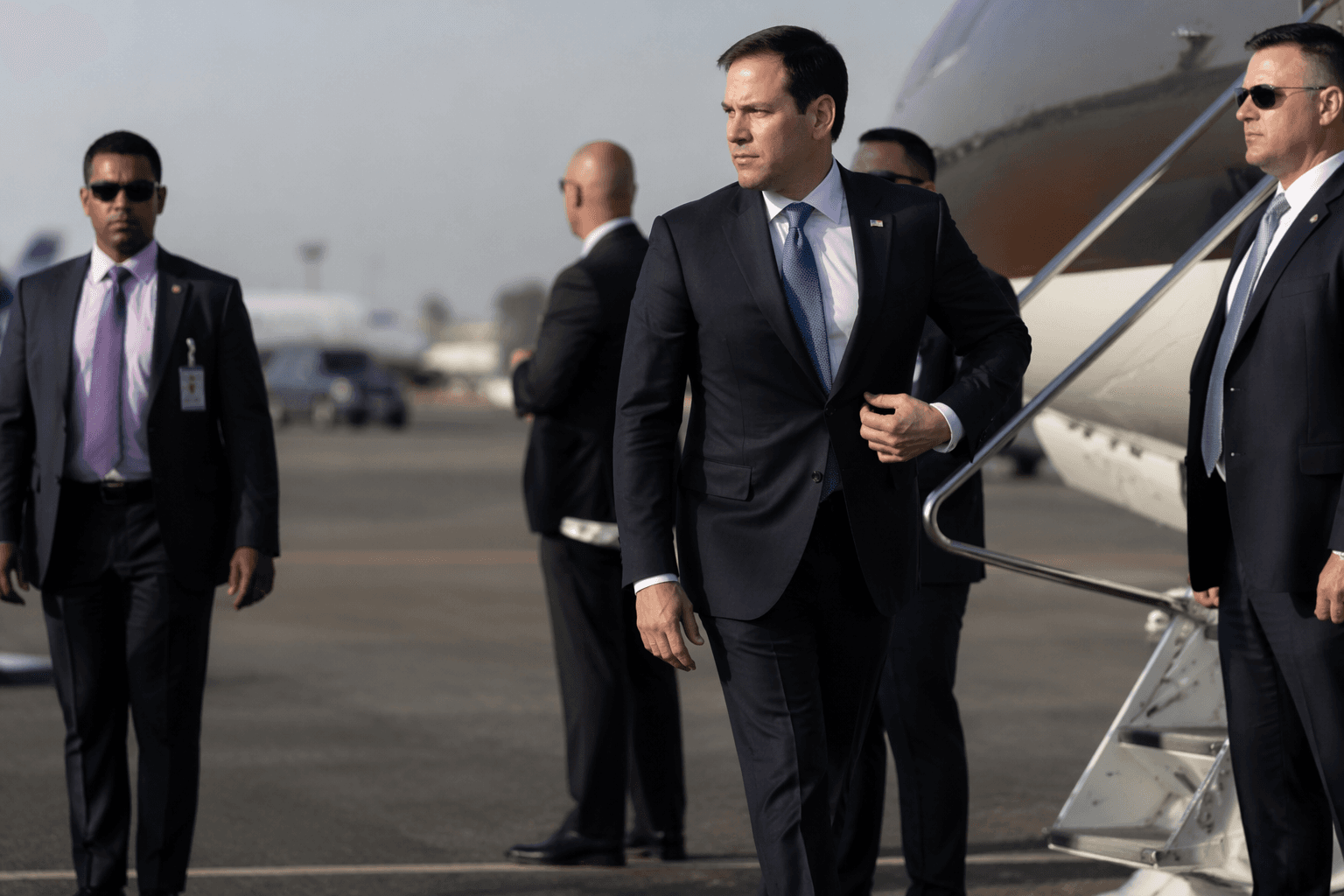
Marco Rubio used his first official trip to India to press a simple pitch: Washington can help with energy security if New Delhi is willing to shift its sourcing habits and think harder about Russian oil. The secretary of state traveled to Kolkata, Agra, Jaipur and New Delhi from May 23 to May 26, and the State Department said his meetings with senior Indian officials would cover energy security, trade and defense cooperation.
The timing gave the trip immediate leverage. A sustained spike in energy prices triggered by the Iran war has clouded India’s macroeconomic outlook and pushed policymakers into crisis-era measures to protect the economy. That matters in a country that imports more than 89% of its crude oil needs, because any prolonged oil shock can quickly feed through to inflation, the rupee, fiscal balances and growth. For Washington, that makes the trip less a routine diplomatic stop than a geopolitical sales pitch built around a moment of market stress.
India has seen this play before. It stopped importing Iranian oil in May 2019 after the United States ended waivers that had allowed major buyers, including India, to keep taking crude from Tehran. The U.S. government had reimposed sanctions on Iran after pulling out of the 2015 nuclear accord, and the end of the waiver was meant to drive Iranian exports to zero. Yet Reuters-linked reporting in 2026 showed Indian refiners resuming limited Iranian purchases under a temporary U.S. sanctions waiver, including cargoes of about 600,000 barrels and reports of two very large crude carriers arriving at Indian ports. The message from New Delhi was clear: when prices tighten, discounted barrels can matter more than diplomatic signaling.
That history complicates Rubio’s offer. India has also relied heavily on discounted Russian crude in recent years, even as the Trump administration increased pressure on Moscow. Recent Reuters-linked reporting said New Delhi was weighing trimming Russian purchases after fresh U.S. sanctions on major Russian producers. That puts Rubio’s mission at the intersection of three pressures at once: war-driven oil volatility, India’s dependence on imports, and Washington’s effort to push a strategic partner away from sanctioned suppliers.

The result is a narrower question than simple energy diplomacy. India does not lack options; it has repeatedly shown it will diversify toward whatever source is cheapest or least constrained. What Rubio can offer is a stronger U.S. role in Indian supply security. What Washington wants in return is alignment, on oil and beyond. For Narendra Modi’s government, the test is whether those promises amount to real leverage, or just a more expensive version of the same dependence.
Know something we missed? Have a correction or additional information?
Submit a Tip