Ruby's Pantry Closes 85 Midwest Locations Across Four States
Ruby's Pantry, which served over 300,000 families a year across four states, shut down all 85 pop-up locations on March 31 after citing financial collapse.
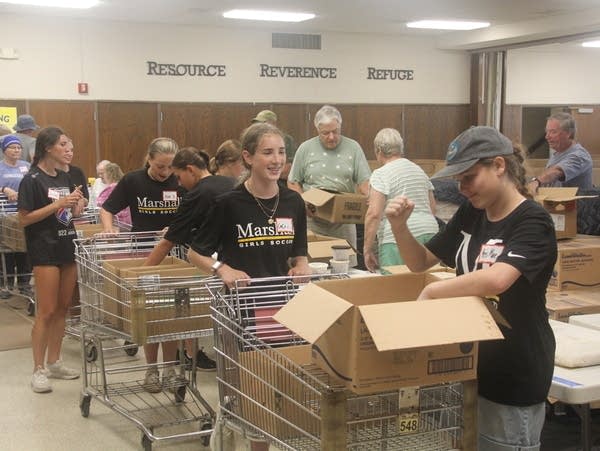
Ruby's Pantry, a faith-based food distribution nonprofit that had fed hundreds of thousands of Midwest families for more than two decades, abruptly ended all operations across Minnesota, Wisconsin, Iowa, and North Dakota on March 31, 2026, stating "The ministry is no longer financially sustainable."
The organization announced the permanent closure effective March 30, 2026. In its statement, the board said it had "prayerfully worked to realign the ministry's structure, workflow, and outreach" over the preceding months, but that rising distribution costs and broader economic challenges made continuing the pop-up pantry model impossible.
Ruby's Pantry served more than 300,000 families a year across Minnesota, Wisconsin, Iowa, and North Dakota. The organization distributed more than 242,000 food bundles in 2025 alone. The nonprofit had received between $41 million and $52 million in annual public support since 2020, yet ended the previous year more than $400,000 in debt.
Founded in 2003 by Lyn Sahr with one box of food and a prayer, Ruby's Pantry grew into a network of more than 80 pop-up pantry sites across Minnesota, Wisconsin, eastern North Dakota, and northern Iowa. Sahr later passed away, and his daughter RoxAnn Sahr took over as executive director. For nearly 24 years, Ruby's Pantry offered no-eligibility food bundles at dozens of Midwest sites for a $25 donation. The model required no proof of income or residency, a feature that made it accessible to rural and working-poor households who often fell through the cracks of means-tested programs.
The announcement indicated the closure of all 85 pop-up locations, including 37 in Minnesota alone. Many partner sites learned of the shutdown through a Facebook post from headquarters rather than direct notification. Jennifer Finerty, the site manager for Ruby's Pantry in Appleton, Wisconsin, said she had seen the end coming even if not this quickly. "They ended the year last year a little over $400,000 in debt. And so, it wasn't a surprise that Ruby's Pantry was going to come to a close this year, but we were hoping for a few more months yet," she said.
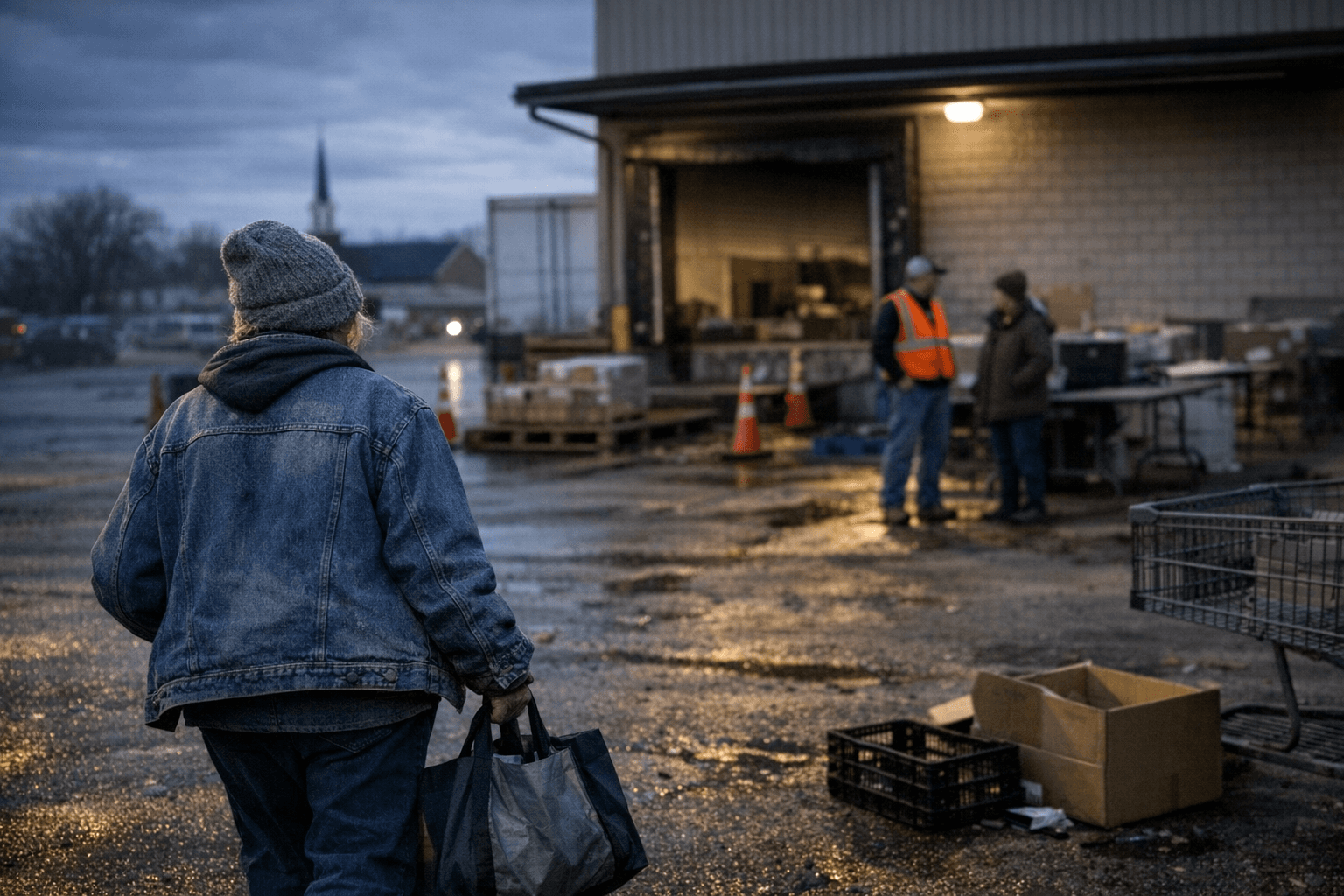
The abruptness left communities scrambling. Pastor Jeanine Alexander at Coppertop said people told her that "being able to stretch their food dollar through Ruby's Pantry has meant being able to get a car repair, get needed medication, and sometimes it has simply meant being able to have enough food." In Ashland, Wisconsin, Liz Seefeldt, executive director of The BRICK Ministries, pointed to a specific gap the closure would open. "Those are the folks that I'm thinking are really gonna feel the pinch," Seefeldt said of residents who relied on Ruby's Pantry but do not qualify for or use traditional food shelf services.
The closure also comes amid changes to the SNAP program, which provides assistance to about 1 in 8 Americans to help buy groceries. Local food banks are moving to absorb the demand. Jennifer Aakre, executive director of the Bemidji Community Food Shelf, said her organization expects to see increased need as a result and will implement new monthly evening hours to accommodate displaced Ruby's Pantry participants.
Just two weeks before the shutdown, Ruby's Pantry had announced plans to raise the per-bundle donation from $25 to $30 beginning April 1, citing rising costs involved in transporting and distributing food across its many locations. The price increase never took effect. The closure came first.
This article was produced by Prism’s automated news system from verified source data, official records, and press releases, then run through automated quality and moderation checks before publishing. The system is built and supervised by the people who set the standards it runs under. Read our full AI policy.
Did this article answer your question?