Russia and Ukraine trade blame as ceasefire collapses under drone strikes
Nearly 150 clashes and fresh drone strikes showed the three-day truce was failing on the ground before it could lower civilian risk.
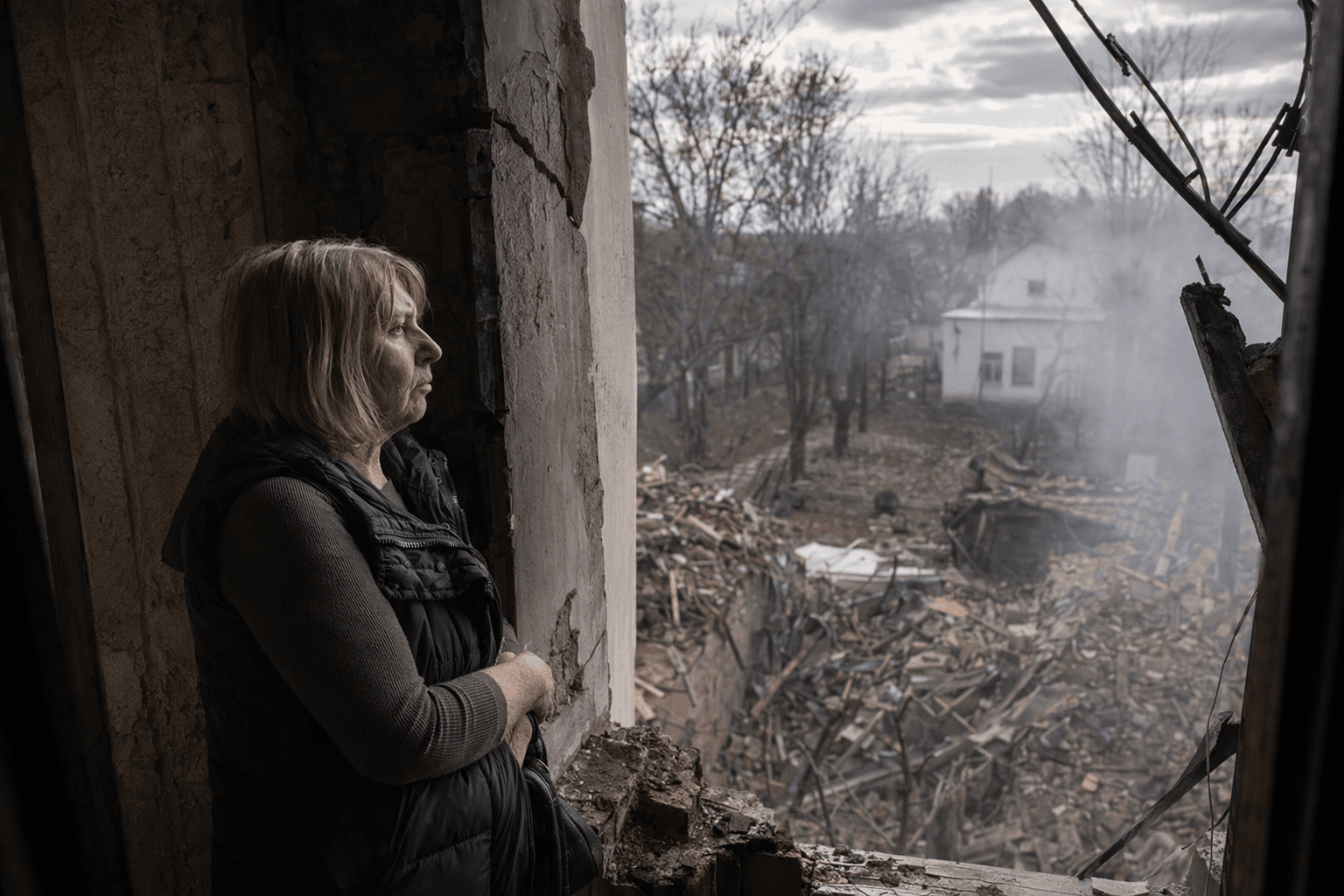
Drone strikes and artillery fire kept hitting the front lines even as a U.S.-brokered three-day ceasefire was supposed to be taking hold, exposing how little control the agreement had over the battlefield. Ukrainian officials said nearly 150 clashes erupted in the previous 24 hours, and one person was killed while three others were wounded in strikes on the southeastern Zaporizhzhia region.
The truce, announced by U.S. President Donald Trump on May 8 and set for May 9 through May 11, had been linked to Russia’s Victory Day commemorations and to a broader, stalled peace effort that also included prisoner-swap hopes. Instead of a pause in violence, the ceasefire became another arena for mutual accusations, with both Kyiv and Moscow claiming the other side was breaking the deal almost as soon as it began.
Ukraine said Russian drone strikes continued through the ceasefire window, while Russia’s Defence Ministry said it shot down 57 Ukrainian drones over the previous 24 hours. Moscow also claimed more than 1,000 ceasefire violations by Ukraine. In occupied Kherson region, Moscow-installed leader Vladimir Saldo said two people were injured by Ukrainian shelling.
The pattern matters because the measure of any ceasefire is not the language of the announcement but what happens to civilians and soldiers once it starts. On the ground, the answer was grimly mixed: more drone activity, more shelling, more reported casualties, and no visible enforcement mechanism to stop the fighting. The ceasefire was already under strain on its second day, and reports noted that the timing of the pause was itself unclear after both sides had announced different ceasefire windows.
The Institute for the Study of War said the truce lacked enforcement and monitoring, underlining why it struggled to do more than slow headlines. Without observers, penalties, or a shared timeline, the arrangement offered political symbolism but little protection for residents in places such as Zaporizhzhia and occupied Kherson, where the threat from drones and artillery remained immediate.
For now, the ceasefire looks less like a durable diplomatic opening than a short pause with no machinery to make it stick. As long as both sides can trade accusations while strikes continue, the battlefield, not the announcement, will determine whether civilian risk is actually falling.
Know something we missed? Have a correction or additional information?
Submit a Tip