Russia cuts benchmark rate to 14.25% amid inflation and fuel risks
Russia’s central bank trimmed rates to 14.25% even as fuel shortages and war damage kept inflation near 5% and forced a narrower-than-expected cut.

Russia’s central bank eased borrowing costs again on Friday, but the smaller-than-expected move showed how little room it has to maneuver as war, inflation and budget pressure collide. The Bank of Russia cut its benchmark rate by 25 basis points to 14.25%, the ninth straight reduction in an easing cycle that began after the key rate was raised to 21.00% in October 2024, the highest level in more than two decades.
The decision came against a stubborn inflation backdrop. The regulator said underlying price growth had edged down but was still running broadly in the 4% to 5% annualized range, while lending growth had accelerated in recent months. Household inflation expectations also eased only modestly, falling to 12.4% in June from 13.0% in May, leaving price pressure well above the central bank’s 4% target and limiting how far officials can cut without stoking another wave of increases.
The clearest warning in the bank’s statement was fiscal. It said public spending over the next three years would be more accommodative than it had previously expected, and that could require a higher key-rate path than assumed in its April baseline scenario. That is a sign that monetary policy alone cannot offset the distortions created by wartime spending, sanctions and a budget that remains under heavy strain. For the Kremlin, easier credit may support activity in the short run, but it also risks making the inflation problem harder to contain if state outlays keep injecting demand into an economy already constrained by supply shocks.
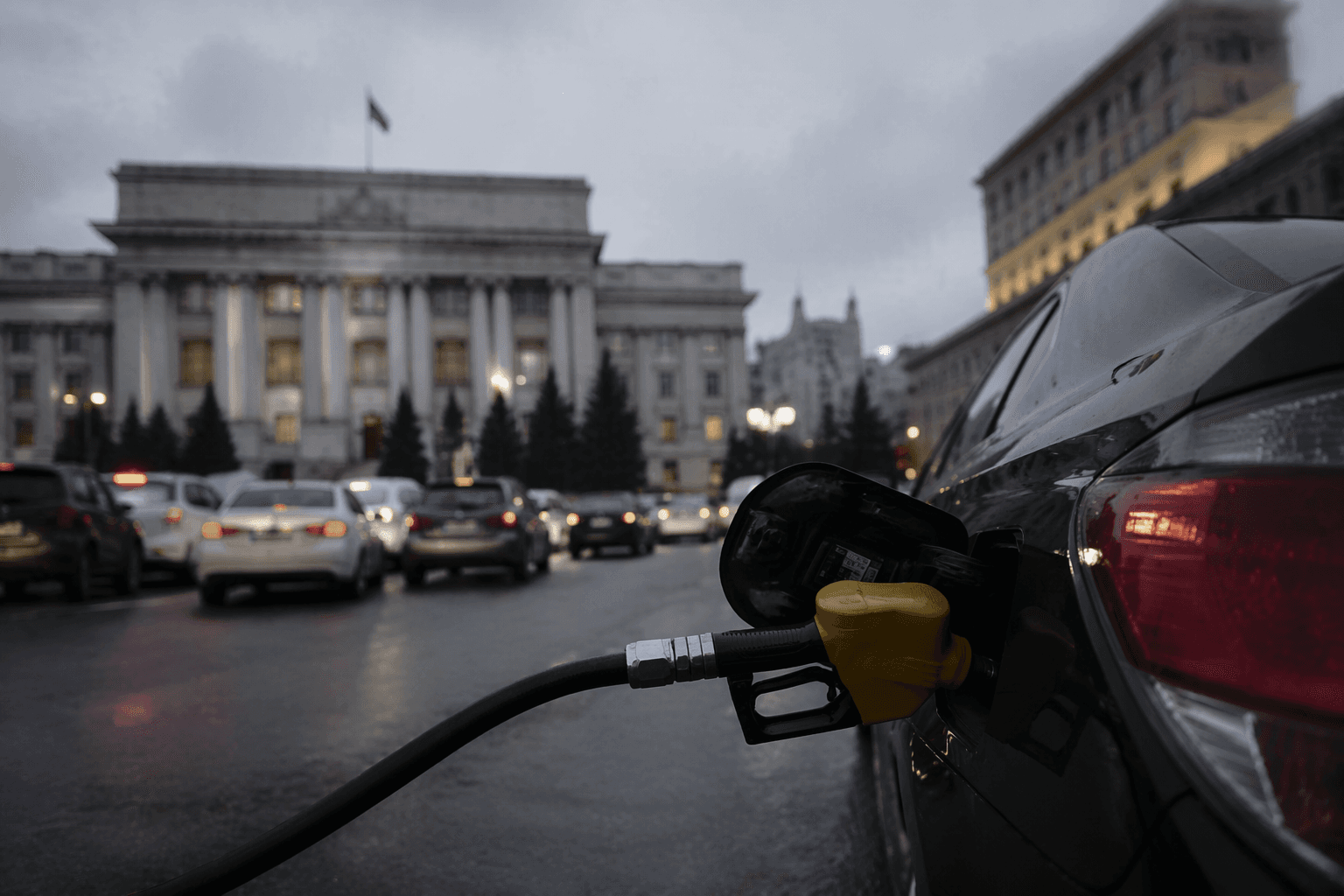
Those supply shocks are coming from the fuel system. Reuters reported that Ukraine has stepped up drone attacks on Russian refineries, energy facilities and transport infrastructure, pushing gasoline prices higher and worsening shortages. Russian officials have acknowledged fuel disruptions in places including annexed Crimea and parts of southern Russia, and in the days before the rate decision, Reuters said some refineries were being allowed to produce fuel to lower environmental specifications to help ease the squeeze. A Moscow oil refinery was also damaged in a Ukrainian drone attack on 16 June 2026.
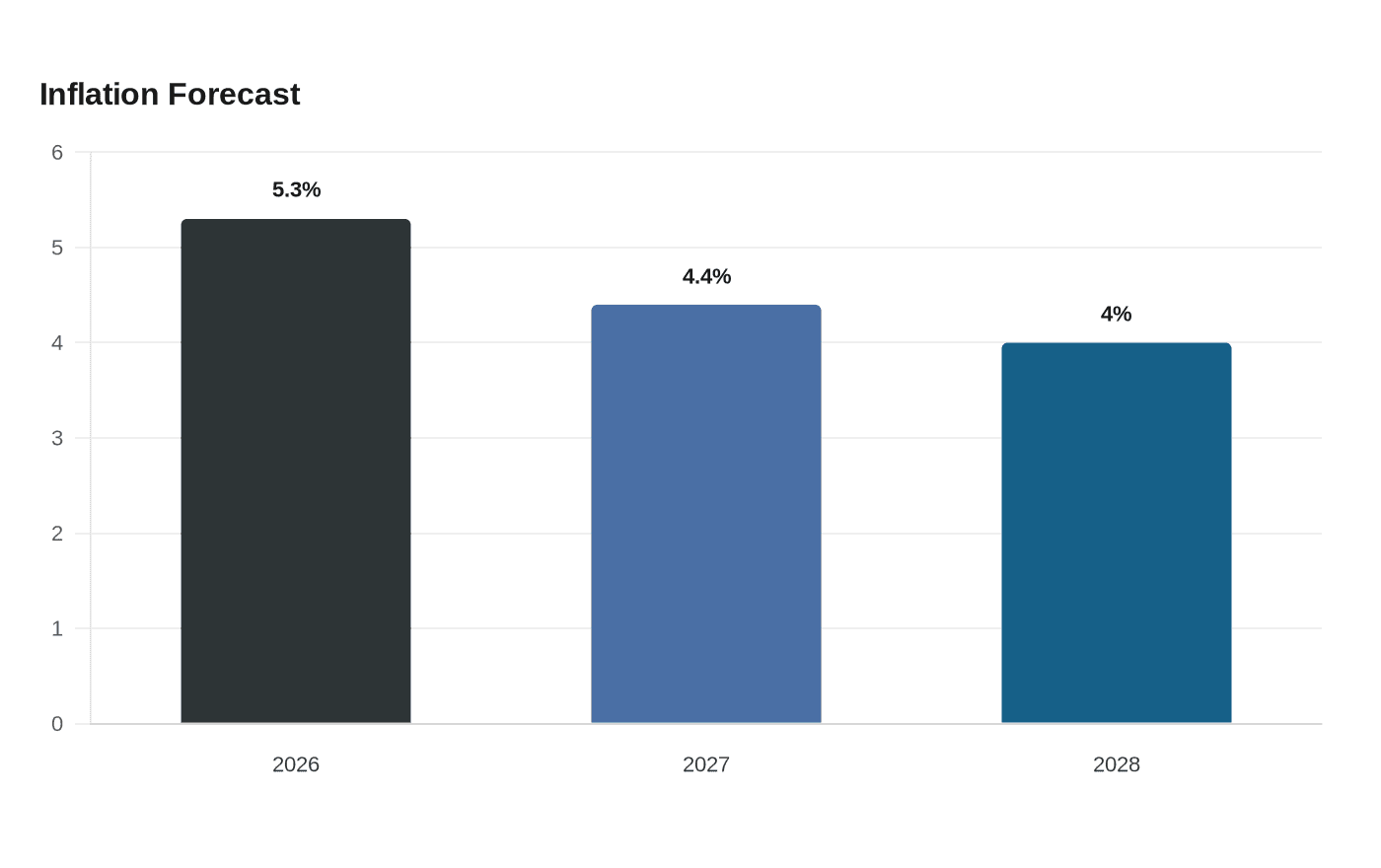
The central bank’s own forecast suggests more rough ground ahead. Its June survey projected inflation at 5.3% for 2026, slowing to 4.4% in 2027 and returning to 4.0% in 2028. Elvira Nabiullina said business activity improved slightly in April and May after weak dynamics at the start of the year, but the policy shift was still measured rather than aggressive. The next test comes on 24 July 2026, when officials will have to decide whether Russia’s wartime economy can absorb more easing, or whether fuel shortages and fiscal expansion will force them to hold back.
This article was produced by Prism’s automated news system from verified source data, official records, and press releases, then run through automated quality and moderation checks before publishing. The system is built and supervised by the people who set the standards it runs under. Read our full AI policy.
Know something we missed? Have a correction or additional information?
Submit a Tip