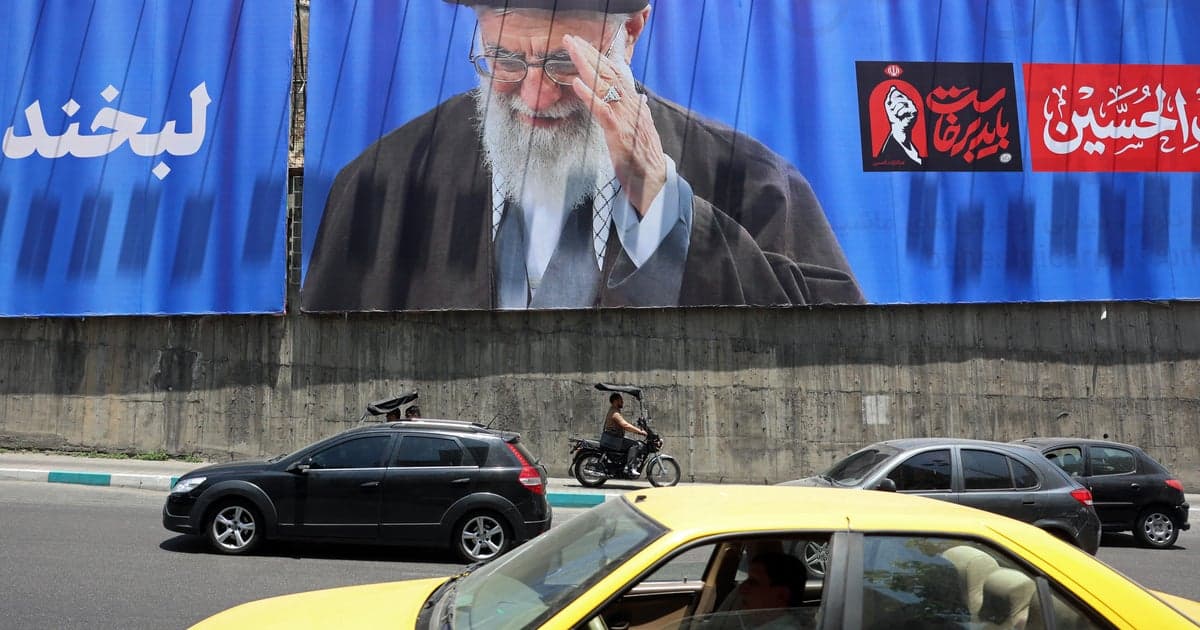
Russia Declares Western Troops in Ukraine Legitimate Combat Targets
Russia warned Thursday that any Western troops deployed to Ukraine after a ceasefire would be treated as "legitimate combat targets," escalating a diplomatic standoff after Britain and France pledged plans for a post‑ceasefire multinational force. The development raises the prospect of direct military confrontation, intensifies energy and defense market uncertainty, and forces European leaders to weigh deterrence against the risk of wider war.
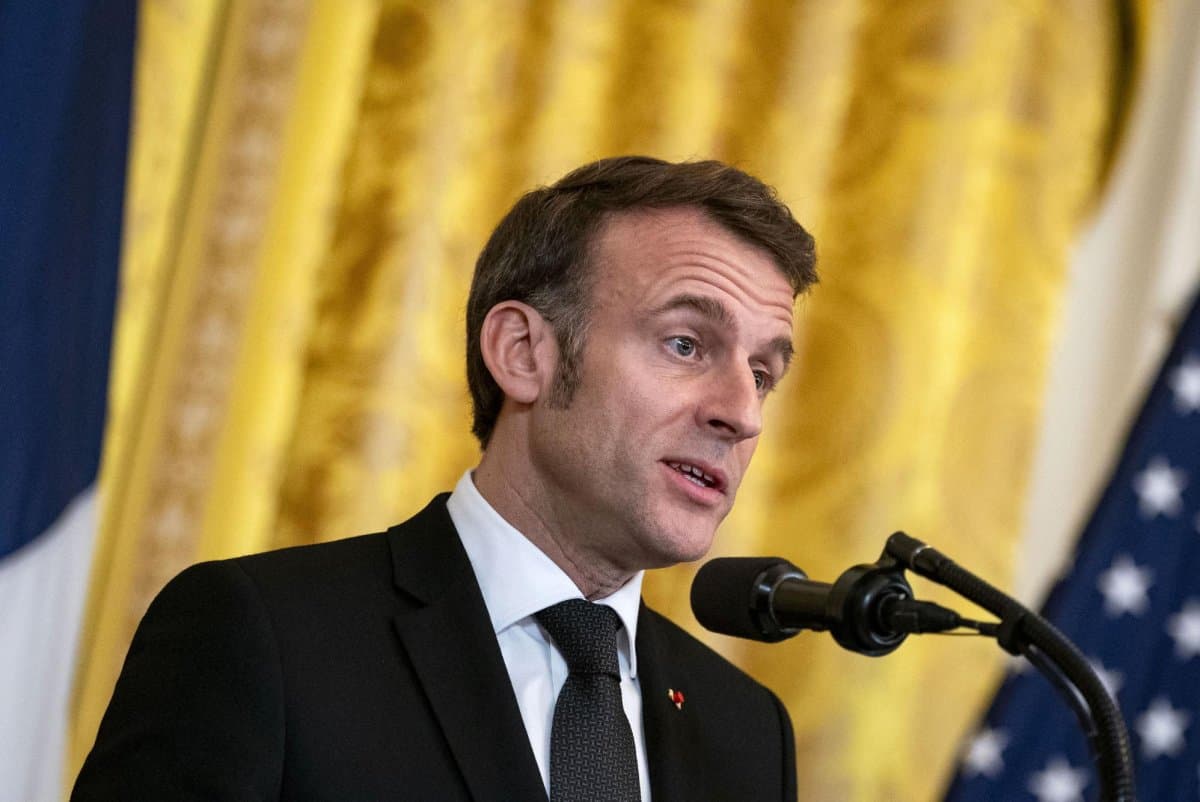
Russia's Foreign Ministry issued a stark warning on Jan. 8, saying that the deployment of Western military units or facilities to Ukrainian territory "will be classified as foreign intervention" and that "all such units and facilities will be considered legitimate combat targets of the Russian Armed Forces." The statement framed the Britain‑France initiative as increasingly dangerous and accused Western politicians of forcing Europeans to "finance these aspirations out of their own pockets."
The warning followed a Paris meeting of a self‑described "Coalition of the Willing" where the United Kingdom and France signed a declaration of intent on possible future deployments to Ukraine. French President Emmanuel Macron said the post‑ceasefire mission "could involve sending thousands of French troops." British Prime Minister Keir Starmer framed the agreement as creating "a legal framework whereby British, French and partner forces could operate on Ukrainian soil, securing Ukraine’s skies and seas and regenerating Ukraine’s armed forces for the future."
Washington signalled political backing while ruling out U.S. combat deployments. U.S. special envoy Steve Witkoff told the Paris meeting that President Donald Trump "strongly stands behind" security protocols intended to deter another Russian offensive.
The diplomatic exchange comes against a backdrop of continuing hostilities inside Ukraine. Overnight drone strikes damaged energy facilities in central regions, leaving more than one million people without heating or running water amid freezing temperatures, and regional officials reported three fatalities from attacks in Kherson. Ukrainian President Volodymyr Zelensky has stressed that Ukraine must retain a large standing army and develop long‑term domestic military capability, arguing that sustainable security cannot rest solely on foreign forces.
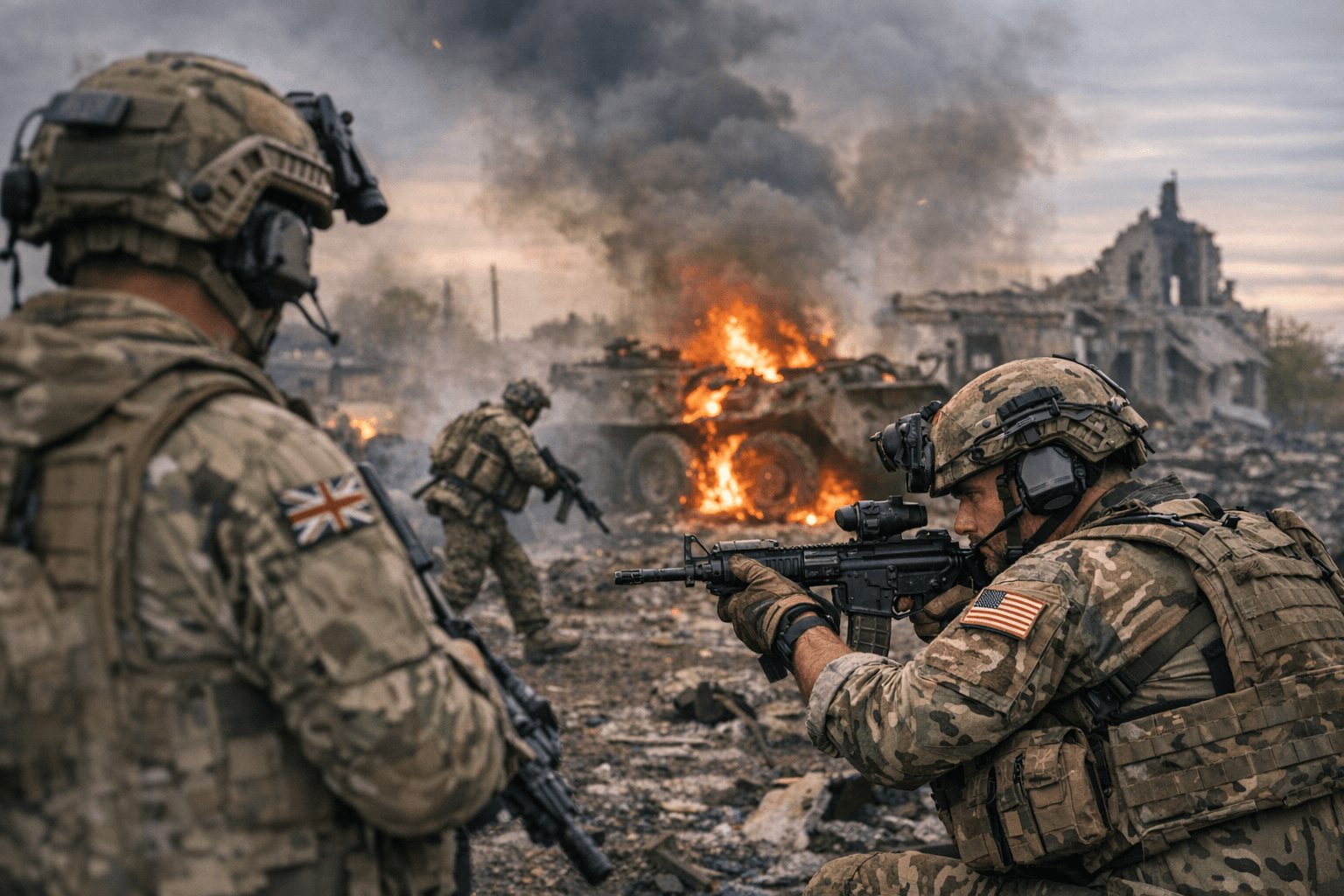
Analysts say the British‑French initiative and Moscow's response sharpen a central dilemma for Western policymakers: whether an international force can credibly deter renewed large‑scale aggression without crossing a threshold that Moscow characterises as foreign intervention. The legal framing touted in Paris aims to preempt that claim by establishing a formal mandate, but Moscow's categorical warning of targeting raises the practical risk that the presence of foreign soldiers on Ukrainian soil would be treated as a direct belligerent act.
The confrontation has immediate market and budgetary implications. Energy infrastructure remains vulnerable; the loss of heating and water for more than a million people underscores how conflict can quickly translate into humanitarian and fiscal pressures across Europe. Defense markets and contractors typically gain in such environments, while energy and insurance sectors face heightened volatility and risk premia. For European governments, preparing a multinational mission would require sustained defense spending increases and logistical investment at a time many economies are already managing post‑pandemic fiscal constraints.
Longer term, the episode reinforces trends that emerged after the full‑scale invasion in February 2022: deeper militarization of European policy, a reorientation of industrial planning toward defense and energy resilience, and protracted geopolitical competition that could institutionalize a new security architecture in Europe. Policymakers must now weigh the deterrent value of an international presence in Ukraine against the real possibility that Moscow will treat such forces as legitimate targets, with all the attendant costs for civilians, markets and regional stability.
This article was produced by Prism’s automated news system from verified source data, official records, and press releases, then run through automated quality and moderation checks before publishing. The system is built and supervised by the people who set the standards it runs under. Read our full AI policy.
Did this article answer your question?