Russia eyes U.S., EU push for rare earths in Central Asia
Russia is warning that Western mineral diplomacy in Central Asia could reshape a region rich in the raw materials needed for EVs, chips and defense.
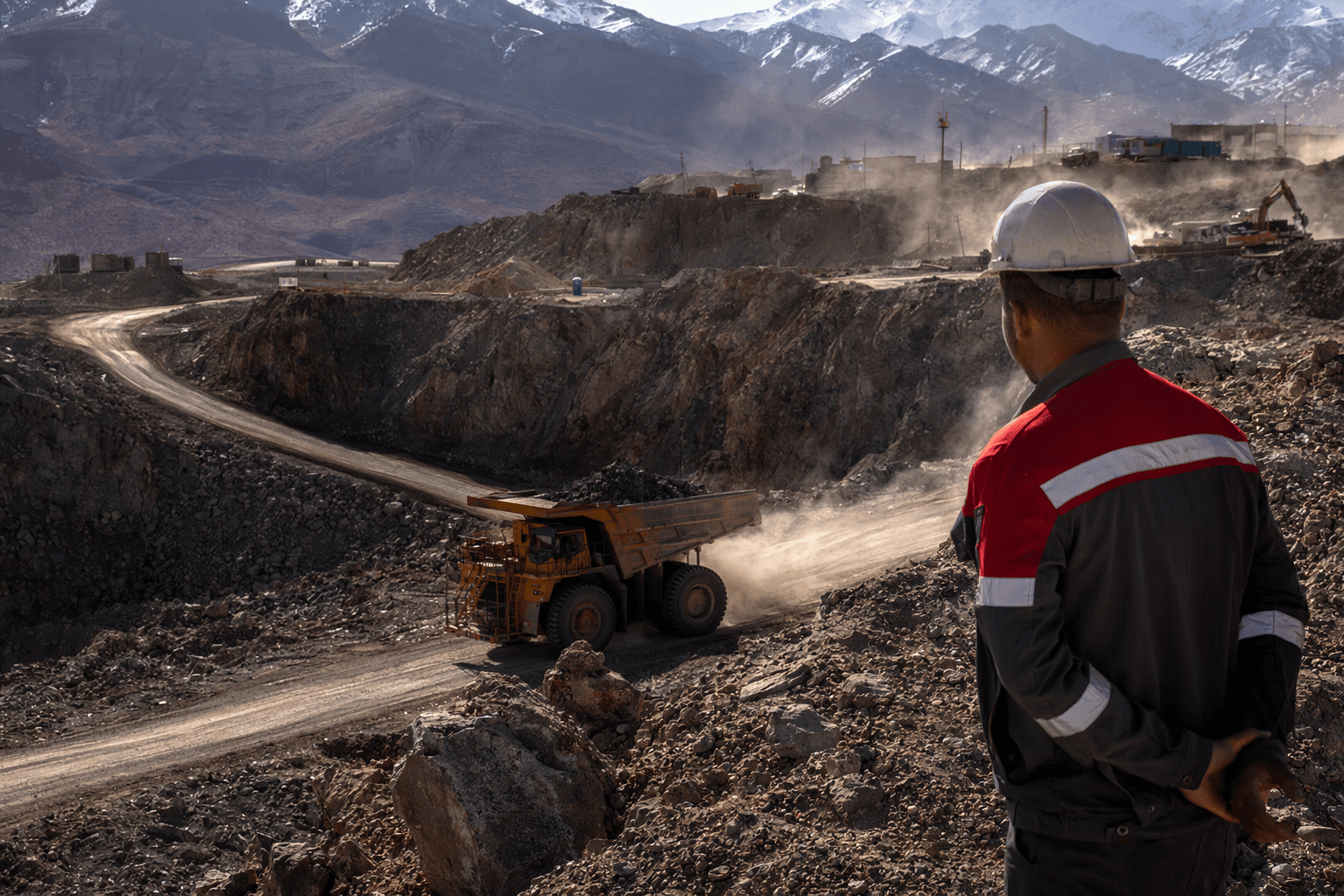
Russia is treating Central Asia’s rare-earth and critical-minerals push as more than a commercial scramble. Deputy Foreign Minister Mikhail Galuzin said Moscow is watching the region closely as the United States and European Union work to secure access to deposits in Kazakhstan, Kyrgyzstan, Tajikistan, Turkmenistan and Uzbekistan, a belt that sits inside Russia’s traditional sphere of influence and across key supply chains for electric vehicles, semiconductors and defense manufacturing.
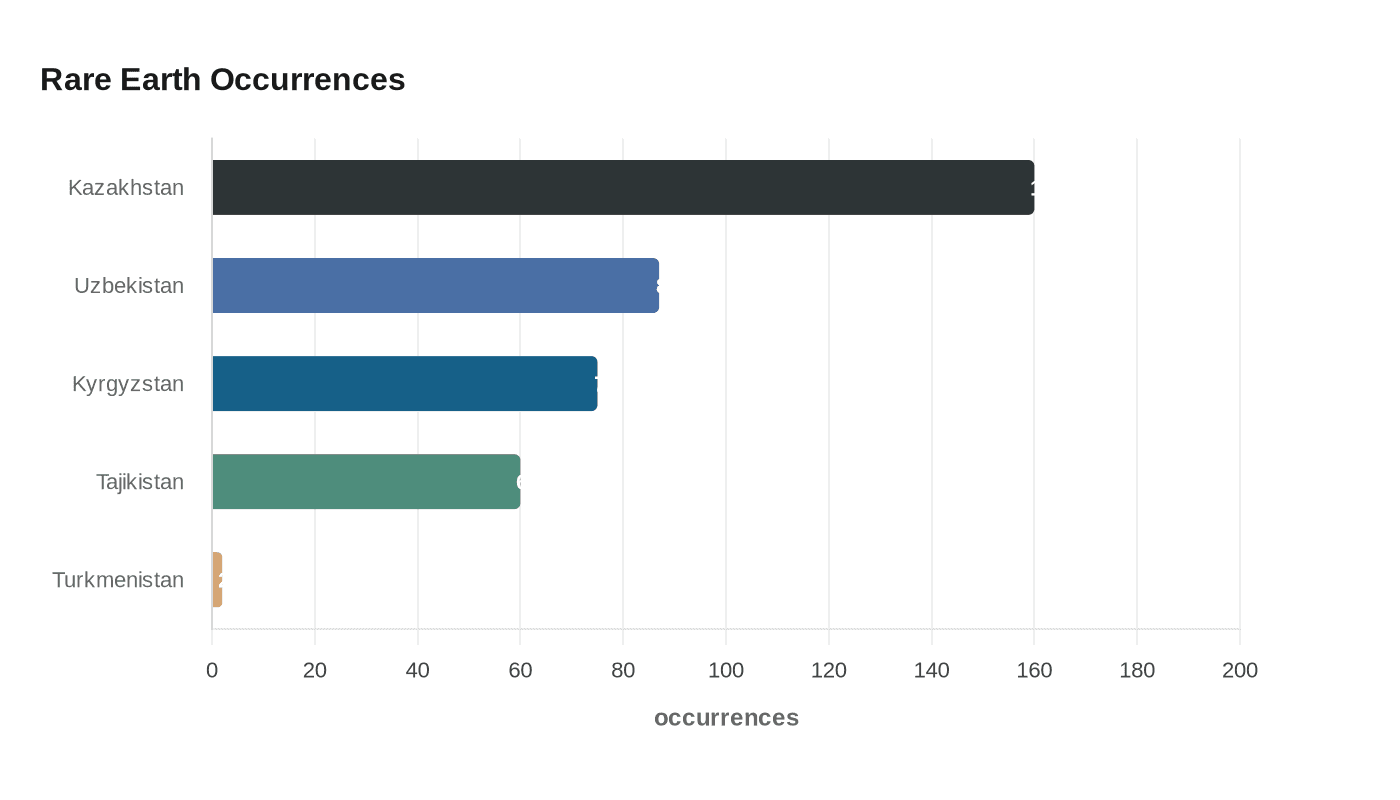
The stakes are rising because Central Asia is not an abstract prospect map. The U.S. Geological Survey says the Tien Shan and Pamir Mountains are thought to hold substantial undeveloped and undiscovered rare-earth and rare-metal resources, and a 2016 inventory counted 384 REE-RM occurrences across the region, including 160 in Kazakhstan, 87 in Uzbekistan, 75 in Kyrgyzstan, 60 in Tajikistan and 2 in Turkmenistan. Those numbers help explain why Washington, Brussels and Beijing are all moving to lock in access before the region’s geology turns into leverage.
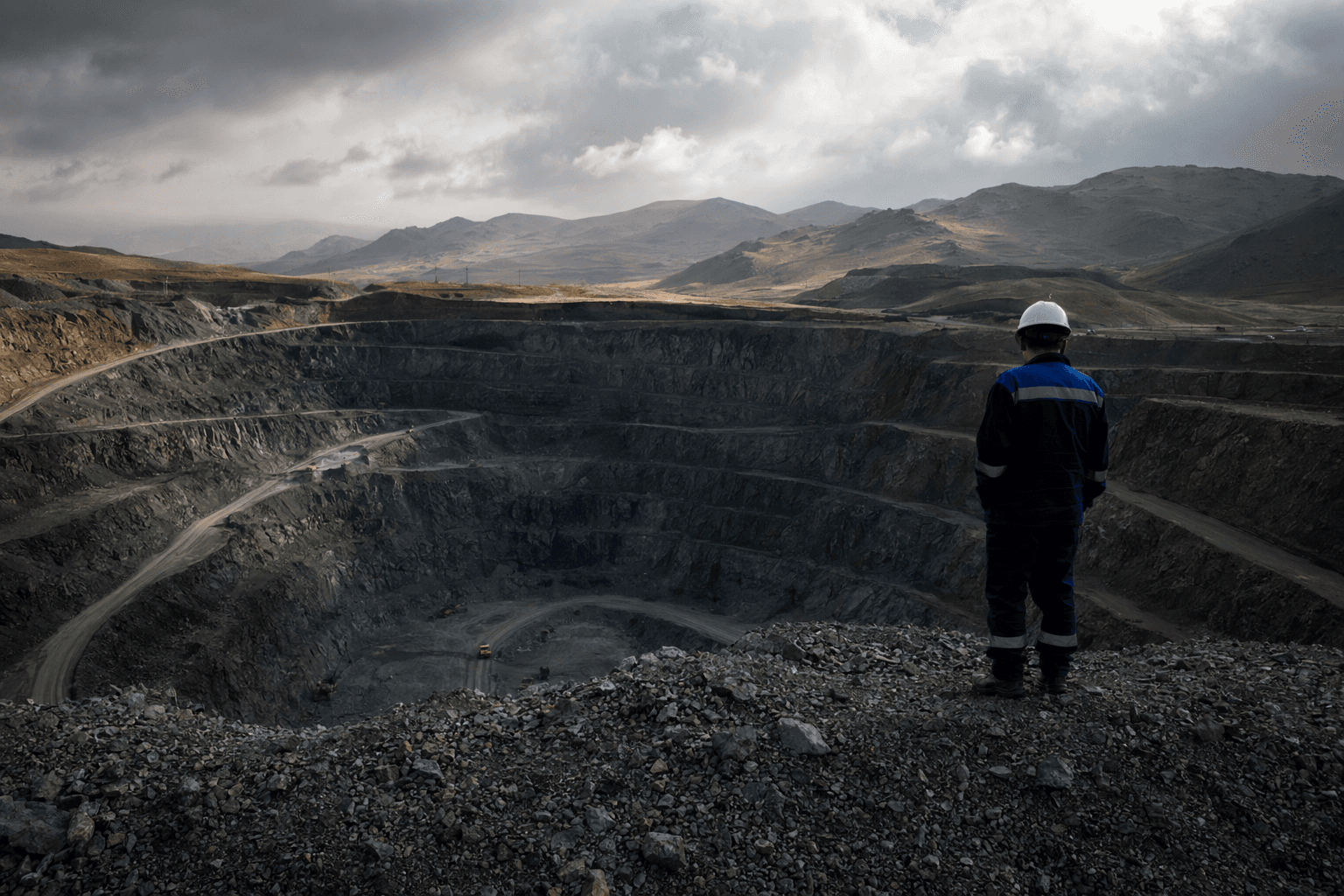
The Western effort is already formalized. At the first EU-Central Asia summit on April 4, 2025, in Samarkand, Uzbekistan, leaders upgraded ties to a strategic partnership and endorsed deeper cooperation on critical raw materials. The European External Action Service said the EU’s 2025-2026 roadmap with Kazakhstan builds on a November 2022 memorandum on raw materials, batteries and renewable hydrogen. The U.S. State Department says the C5+1 Critical Minerals Dialogue is focused on geological exploration, surveying, mining and processing investment opportunities, and supply chains.
That activity is exactly what alarms Moscow. Galuzin told Izvestia that Russia is concerned about the intensity of Washington’s push for agreements on critical minerals and rare earth metals, framing it as an effort to build Western-controlled infrastructure near Russia’s borders. The concern comes as the G7 and other partners try to diversify away from China, which still dominates many mineral supply chains needed for the energy transition and defense technology. President Donald Trump has also previously singled out critical minerals as a priority, underscoring how deeply the issue has entered U.S. industrial policy.
Kazakhstan has become the region’s most visible test case. Companies from the United States, the European Union and China can bid for rights to rare-earth and rare-metal deposits at government auctions, while the U.S. trade office says the country’s mining sector still faces outdated Soviet-era technology, weak transparency and investment barriers. The EU said its partnership roadmap with Kazakhstan is meant to turn that promise into production. With Kazakhstan-EU trade reaching $49.7 billion in 2024 and the EU pledging €2.5 billion for critical minerals projects in Central Asia, the Western presence is starting to look less like symbolism and more like an attempt to build a durable foothold in a new front of the mineral race.
Know something we missed? Have a correction or additional information?
Submit a Tip