Russia launches three Iranian satellites, Tehran says collaboration deepens
A Russian Soyuz rocket placed three Iranian-built satellites into low Earth orbit on December 28, 2025, Tehran and Roscosmos imagery show. The mission underscores accelerating Russia Iran space cooperation, raising questions about commercial opportunity, data use for agriculture and environmental management, and persistent Western proliferation concerns.
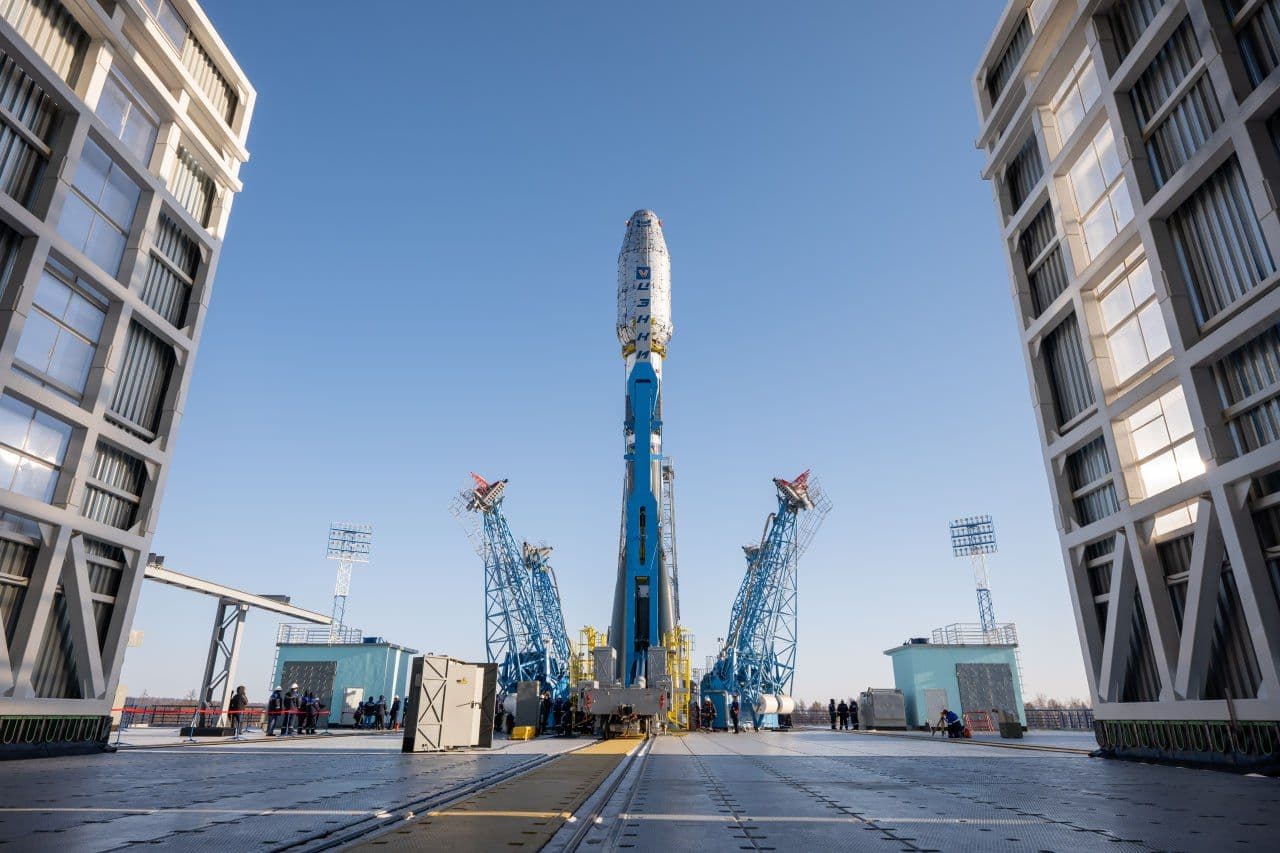
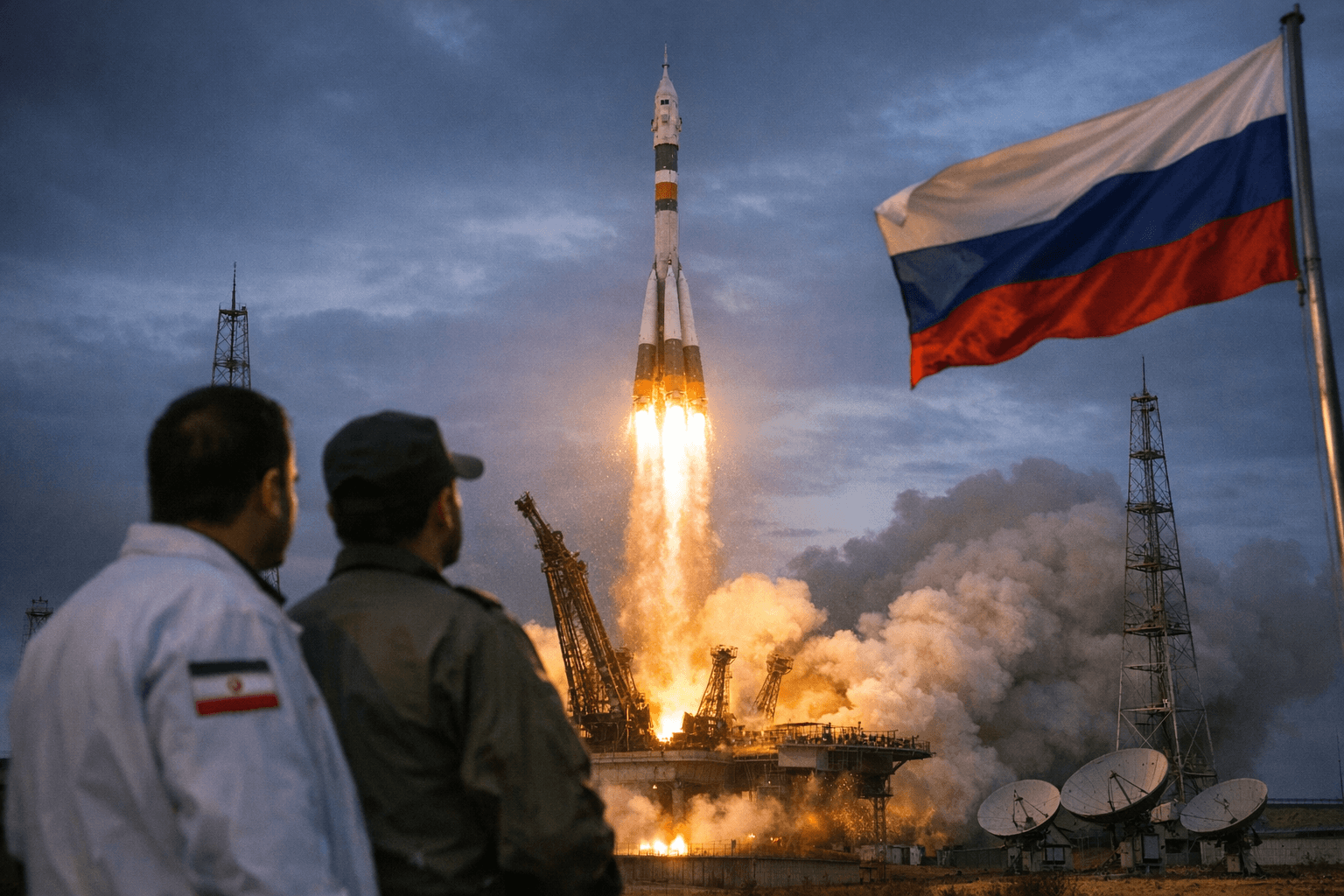
A Russian Soyuz rocket launched from the Vostochny Cosmodrome on December 28, 2025, placing three Iranian-built satellites into low Earth orbit, Iranian state media and imagery tied to Roscosmos reported. The payloads, named Paya, Kowsar, sometimes identified as Kowsar 1.5, and Zafar-2, were reported to be in an orbit of roughly 500 kilometers altitude and were described by Iranian sources as observation craft for environmental and agricultural monitoring.
Iranian officials and state outlets said the satellites were designed and manufactured by Iranian scientists with contributions from government bodies and the private sector. Iran’s ambassador to Russia, Kazem Jalali, was reported to have emphasized both government and private sector involvement. Iranian state news agency reports identified Paya as the country’s most advanced domestically produced imaging satellite and said it uses artificial intelligence to improve image resolution. Beyond the stated orbit altitude and qualitative descriptions of imaging capability, detailed technical specifications, operational lifetimes and communications capacity have not been released.
Counts of recent activity vary across official and independent tallies. Tehran characterized the December launch as part of an intensified partnership with Russian launch services, with some Iranian outlets noting this mission as the seventh Iranian satellite launch using Russian vehicles. Other tallies describe the mission as Iran’s second such launch since July 2025, while still different counts put the number of Iranian satellite launches at ten over the past two years. Those discrepancies reflect differing inclusion criteria, such as whether to count domestic orbital tests, joint Russian Iranian payloads or multiple small satellites deployed in single missions.
The operation comes amid heightened international scrutiny of space technology transfers. Western governments and analysts have long warned that launch systems, satellite bus components and related know how can be interchangeable with ballistic missile technology, a point that informs export control and non proliferation policy. Iranian officials and state media maintain that their aerospace activity is peaceful, aimed at environmental and agricultural applications, and in compliance with U N Security Council obligations.
Economically the launch carries mixed implications. For Russia, continued provision of launch services represents a source of revenue and geopolitical leverage as Western sanctions have isolated parts of its aerospace industry from traditional markets. For Iran, operational Earth observation capability could deliver measurable benefits to agriculture and water management, potentially improving crop forecasting and resource allocation in a country facing chronic drought and economic strains. However, ambiguity around data access, operational control and third party involvement could limit commercial uptake of imagery services or trigger further restrictions by export control regimes.
The December mission illustrates a broader long term trend toward commercialized and geopolitically entwined space activity. As more nations develop indigenous sensors and rely on foreign launch providers, policymakers will confront trade offs between enabling civilian economic benefits and managing proliferation risks. For now, the technical details that would clarify both the satellites’ immediate utility and their longer term strategic implications remain sparse.
This article was produced by Prism’s automated news system from verified source data, official records, and press releases, then run through automated quality and moderation checks before publishing. The system is built and supervised by the people who set the standards it runs under. Read our full AI policy.
Did this article answer your question?