Russia ramps up covert campaign to sway Armenia election
Fake websites, imported voters and pressure on gas supplies are turning Armenia’s June 7 vote into a test of Moscow’s reach.
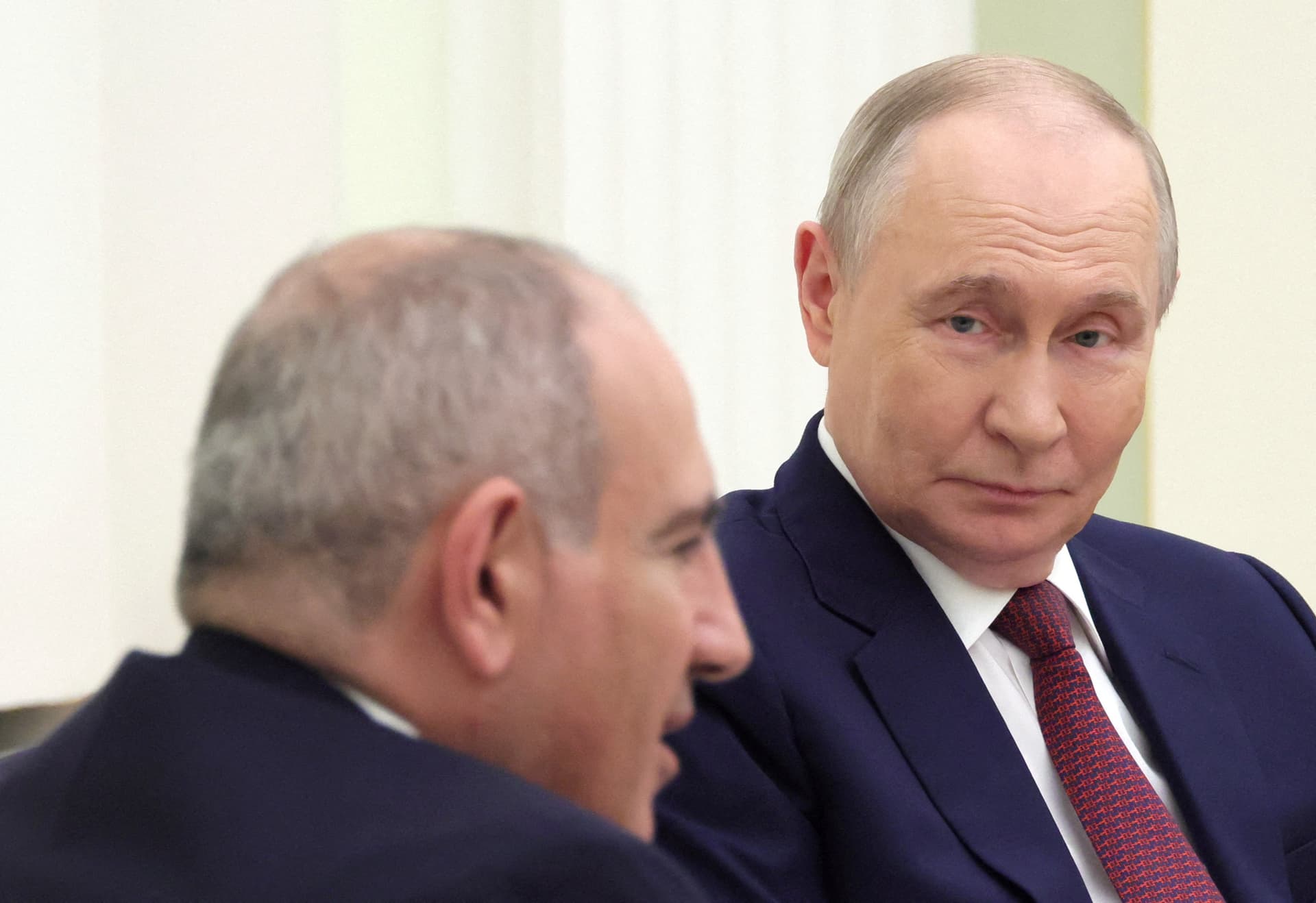
Russia has stepped up a covert campaign to shape Armenia’s parliamentary election, leaning on disinformation, fake media sites and an audacious plan to ferry tens of thousands of Russian-Armenians into the country to sway the vote. The effort is designed to blunt Prime Minister Nikol Pashinyan’s push toward Europe and to punish a government that has spent the past year widening its distance from Moscow.
Armenia is only about 3 million people, but its strategic weight far exceeds its size. The country has long sat in Russia’s orbit, hosts Russian troops and has belonged to Moscow-led regional structures. That balance has shifted as Pashinyan deepened ties with Europe and NATO, a turn Moscow sees as a direct threat to its leverage in the South Caucasus.
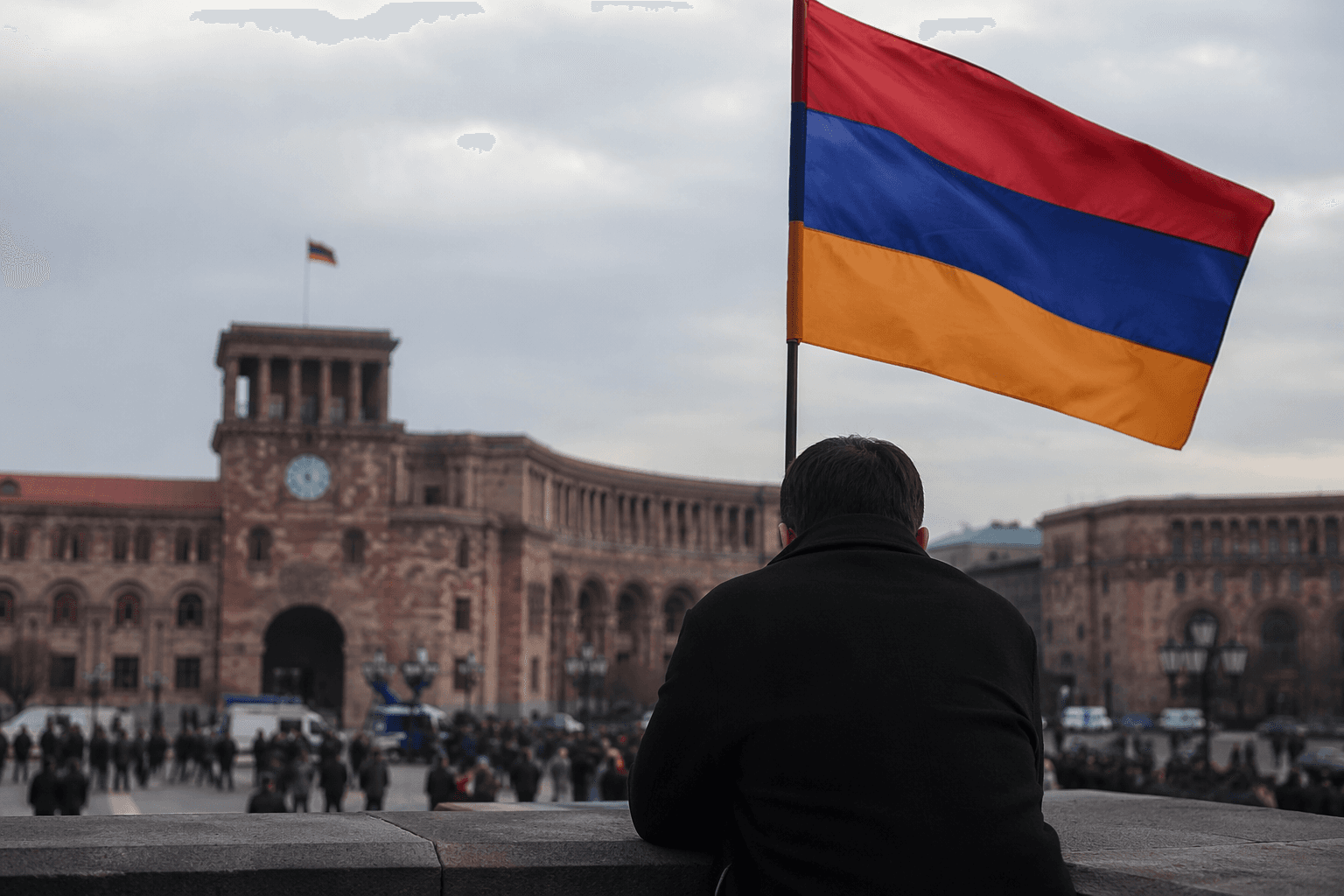
The stakes sharpened further in Yerevan earlier this month, when the European Union and Armenia held their first-ever summit. The joint declaration focused on economy, connectivity, security and resilience to hybrid threats, underlining how seriously Brussels is treating Armenia’s westward turn. Armenia’s parliament adopted a law launching the EU accession process in March 2025, and a new EU-Armenia Strategic Agenda followed in December. The message from Yerevan was clear: diversification is now being sold as sovereignty.
Russia has answered with pressure that reaches into daily life. Russian officials warned that preferential gas prices could become market-based if Armenia drifted away from the Eurasian Economic Union, and Moscow has also threatened cheap oil, gas and rough diamond supplies. It has restricted Armenian imports including fruit, vegetables, flowers and brandy, a reminder that economic coercion is part of the same campaign as online influence operations.
Independent research from the Institute for Strategic Dialogue found that multiple Russian information operations have targeted Armenia since early 2025, reaching millions of views on X. The group said the Storm-1516 network hit Armenia more than any other country between April 2025 and April 2026, using fabricated media sites, impersonation of real outlets and journalists, influencers and laundered narratives.
The immediate political target is Armenia’s June 7 parliamentary election. Moscow’s preferred candidate is Samvel Karapetyan, a billionaire on trial in Armenia for allegedly calling for the overthrow of the government. Karapetyan denies the charges, and his lawyer has said he had no knowledge of Russian support. Pashinyan, meanwhile, has rejected Russian gas-price threats as illogical and argued that Armenians should have alternatives.
The contest now reaches beyond one leader’s future. It is a test of whether a small democracy can move toward Europe without being dragged back by a former patron willing to mix covert propaganda, economic punishment and political pressure to keep it in line.
This article was produced by Prism’s automated news system from verified source data, official records, and press releases, then run through automated quality and moderation checks before publishing. The system is built and supervised by the people who set the standards it runs under. Read our full AI policy.
Did this article answer your question?