Russia says no specific U.S. contacts on New START as treaty nears expiry
Moscow says Washington has not formally replied to Putin’s offer to uphold New START limits for a year, raising stability and market concerns ahead of Feb. 5.
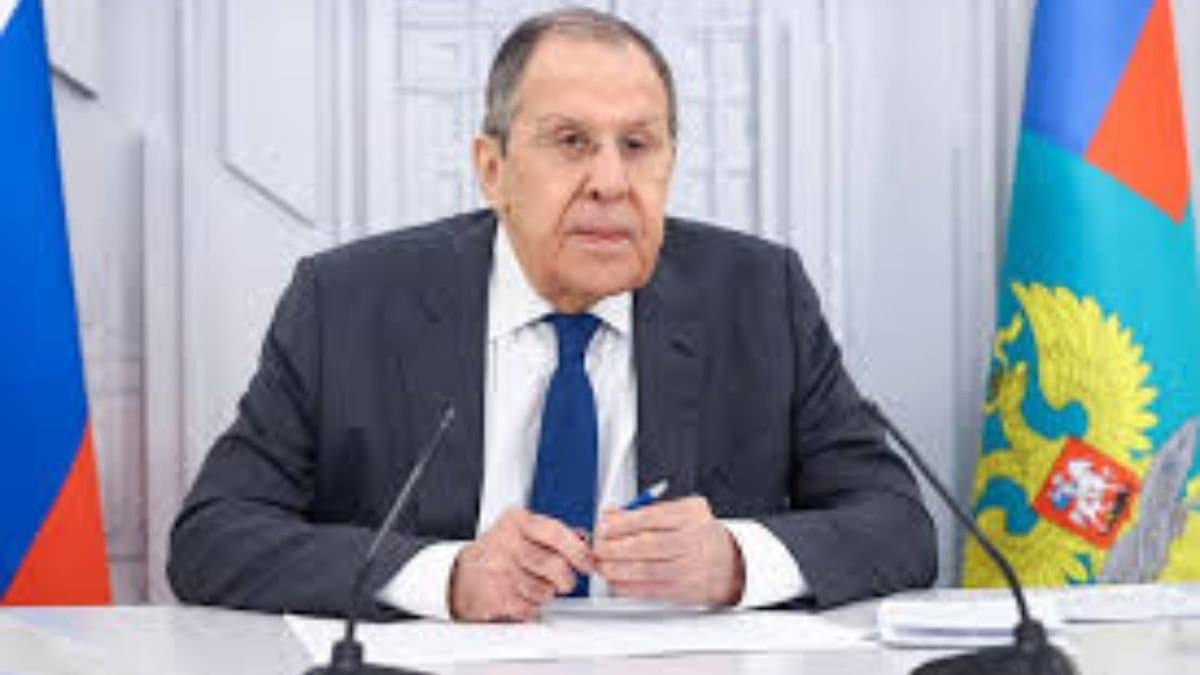
Russia told the United States on Tuesday that there are "no specific contacts" underway about the fate of the New START nuclear arms control treaty as the agreement approaches its Feb. 5, 2026, expiration and Moscow reports it has received no formal U.S. response to President Vladimir Putin’s offer to voluntarily uphold treaty limits for one year after expiry.
Russian Foreign Minister Sergei Lavrov said at a Moscow news conference that Moscow had put the one-year idea on the table in September 2025 and awaited a formal reply. Lavrov also said Russia understands China’s refusal to join a replacement pact, noting Beijing’s nuclear arsenal is smaller than Russia’s.
New START, which entered into force on Feb. 5, 2011, caps the United States and Russia at 700 deployed launchers, 1,550 warheads on deployed launchers, and a total ceiling of 800 deployed and non-deployed launchers. The treaty established a verification and data-exchange regime that has underpinned bilateral strategic stability for 15 years, but reciprocal pauses in some verification activities since 2022 and Moscow’s suspension of participation in February 2023 have complicated mutual monitoring of those limits.
President Putin announced the 2023 suspension in his address to the Federal Assembly and Russian officials have invoked Article 72 of the Vienna Convention on the Law of Treaties to justify the move. Washington has rejected that suspension as not provided for in the treaty text. Analysts say the current standoff leaves the two countries without a clear mechanism for inspections, data exchange or other verification should New START lapse next month.
Putin’s September 2025 offer to adhere to quantitative and qualitative limits for one year post-expiration has offered a potential bridge, but experts caution the proposal lacks explicit verification provisions. Without resumed inspections and routine data sharing there is no robust basis to trust compliance, analysts say, and the practical protections embedded in the treaty, including limits on interference with national technical means and agreed inspection access, would vanish if the accord expires.
Policy-makers in Washington have given mixed signals about the next steps. President Donald Trump has said he would like China to be part of any successor arrangement and at other moments has said "If it expires, it expires." He was also reported to have called Putin’s one-year idea "good" at one point, but the administration has not furnished a formal acceptance of Moscow’s offer.
The potential lapse is significant economically as well as strategically. Markets sensitive to geopolitical risk typically reprice on diminished arms control prospects, boosting flows to safe-haven assets and raising volatility premiums for energy and defense sectors. More broadly, the expiry would mark the first time in decades that no legally binding bilateral treaty caps deployed strategic nuclear warheads between the world’s two largest nuclear powers, a shift analysts warn will heighten short- and medium-term instability and complicate arms control diplomacy going forward.
With fewer than three weeks before the treaty expires, advocates for stability say a narrow window remains to resume verification activities and create a baseline that could support an informal extension of limits. Lavrov’s declaration that there are "no specific contacts" underscores how little time and diplomatic bandwidth remain before Feb. 5.
This article was produced by Prism’s automated news system from verified source data, official records, and press releases, then run through automated quality and moderation checks before publishing. The system is built and supervised by the people who set the standards it runs under. Read our full AI policy.
Did this article answer your question?


