Russia says Ukrainian drone kills chief engineer at Zaporizhzhia plant
A drone strike killed Zaporizhzhia’s chief engineer, deepening fears around the plant’s fragile safety, emergency response and war-zone misinformation.
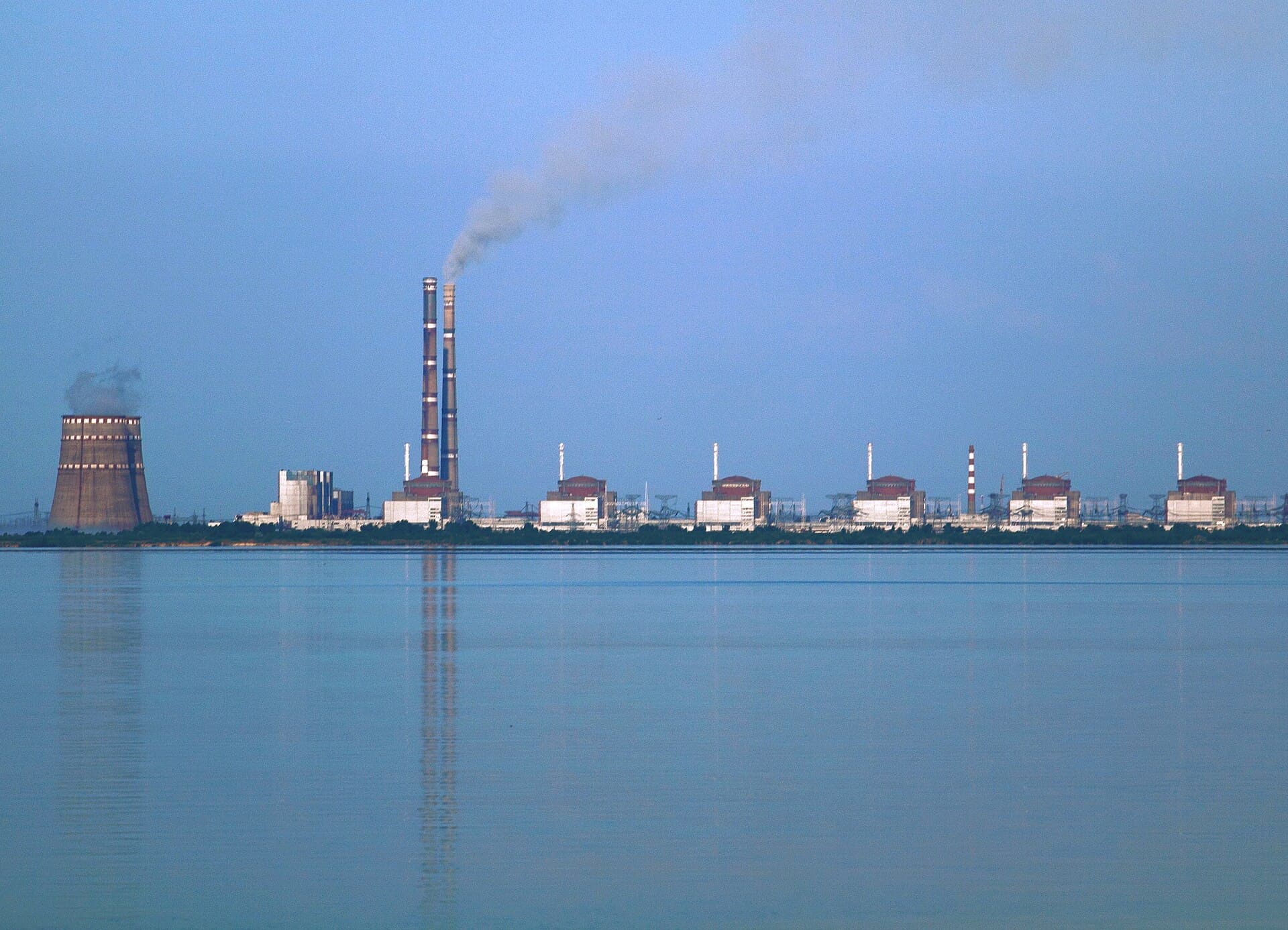
Russian officials said a Ukrainian drone killed Alexander Yakovlev, the chief engineer at the Zaporizhzhia Nuclear Power Plant, while he was traveling in a service car between the plant and Enerhodar. Rosatom chief Alexei Likhachev said the driver was also killed, making the attack the latest deadly strike to hit the area around Europe’s largest nuclear power station.
The death immediately sharpened concerns over how the plant is being run under wartime conditions. Zaporizhzhia has six reactors and has been under Russian control since March 4, 2022, when Russian forces seized it in the first weeks of the full-scale invasion. Since then, the International Atomic Energy Agency has kept a presence at the site, saying the war in Ukraine is the first time in history that armed conflict has unfolded amid facilities of a major nuclear power programme.
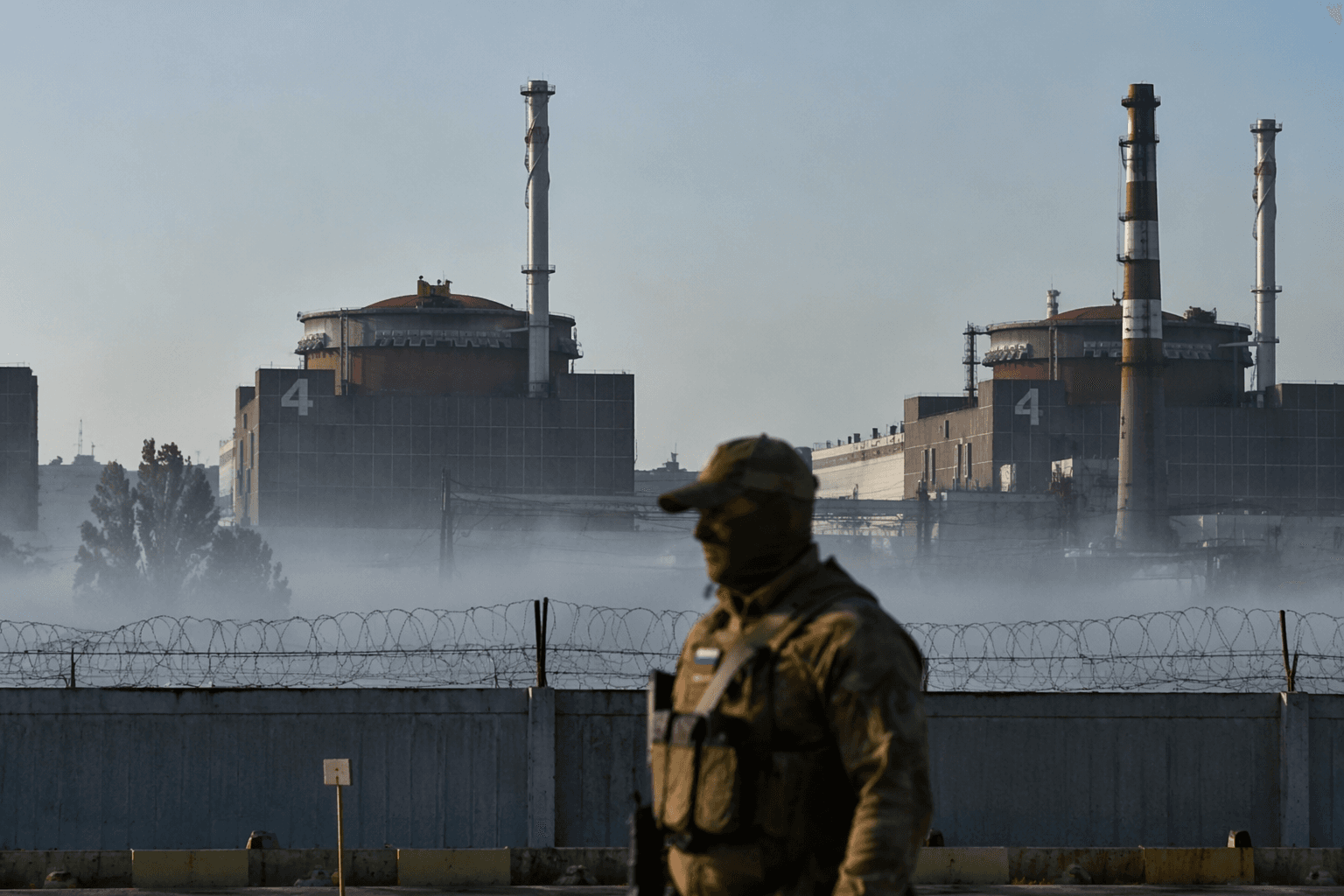
Moscow cast the killing as part of a broader pattern of attacks around the plant and nearby Enerhodar, where most of the station’s staff live. The Kremlin said violence in the area had killed 13 people and injured 48 over the previous 2.5 months. Russian officials have repeatedly accused Ukraine of escalating what they call terrorist actions against the facility.
The IAEA condemned the strike on Yakovlev as an unacceptable attack that seriously threatened nuclear safety. That warning lands in a plant already running with thin margins. On July 2, the agency said drone attacks on June 30 damaged a fire station in Enerhodar that supports emergency response for Zaporizhzhia, reducing the station’s operational capacity and leaving several fire-fighting vehicles damaged. Minor injuries were reported in that attack.
The wider safety picture remains unsettled. The IAEA said the plant was relying on a single 330 kV back-up power line for external electricity needed for nuclear safety functions, a reminder that even routine infrastructure around the site is vulnerable to war damage. In a facility where power, cooling and emergency response all matter at once, the loss of a senior engineer is not only a human blow but also an operational one.
For a plant that sits at the center of a military and political confrontation, the danger now extends beyond the blast radius. A strike on one of the people responsible for keeping the reactors safe raises the risk of confusion, degraded oversight and further escalation around a site where the consequences of miscalculation could be far larger than the battlefield claims around it.
This article was produced by Prism’s automated news system from verified source data, official records, and press releases, then run through automated quality and moderation checks before publishing. The system is built and supervised by the people who set the standards it runs under. Read our full AI policy.
Did this article answer your question?