Russia set to halt Kazakh oil exports to Germany via Druzhba line
A planned May 1 cutoff would put Germany’s Schwedt refinery back on edge, exposing how Kazakh oil still rides on Russian transit.
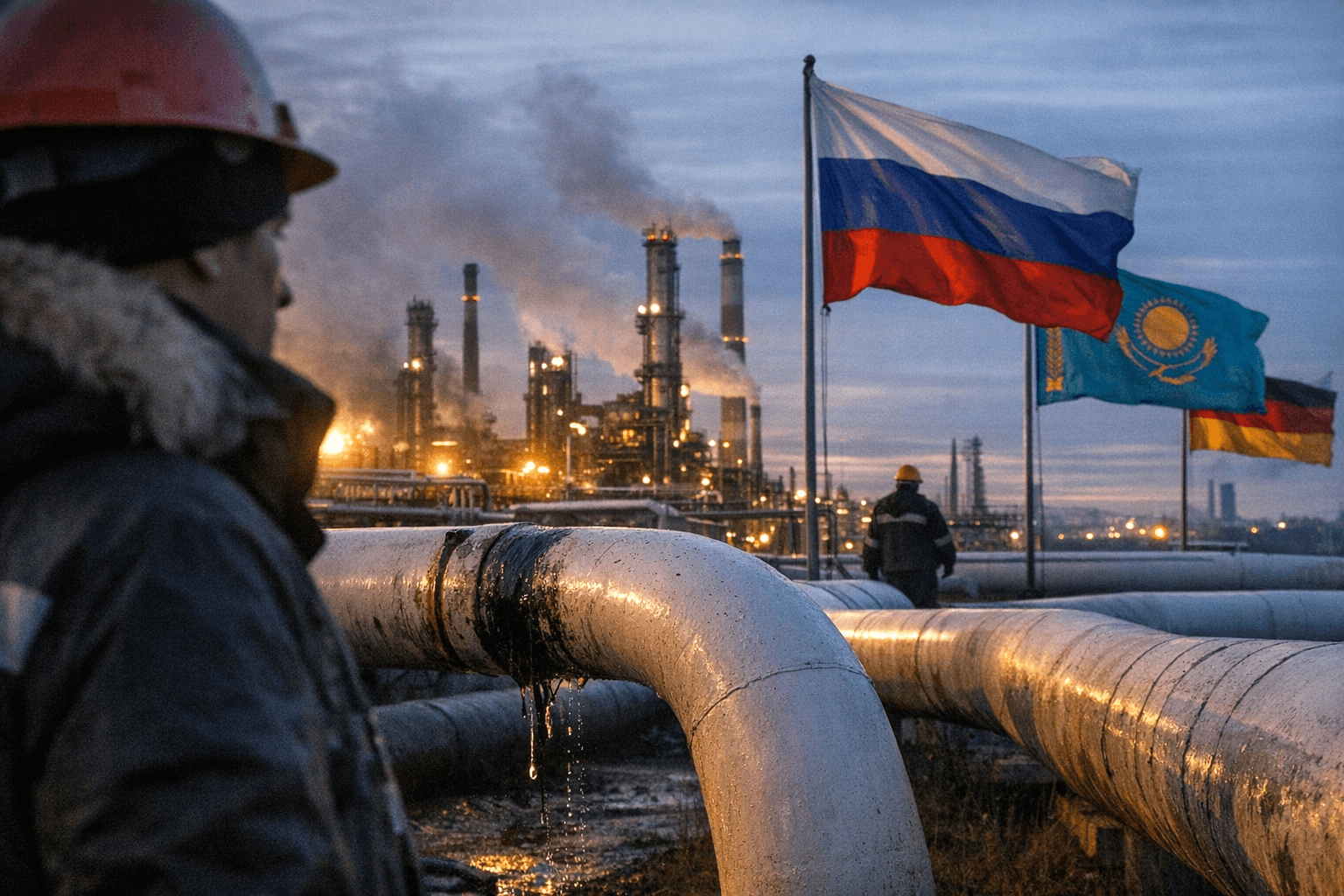
Russia is set to stop the flow of Kazakh oil to Germany through the Druzhba pipeline on May 1, a move that would expose how much of Europe’s post-2022 energy reordering still depends on fragile transit routes running through Russian infrastructure. The shock would land most directly at PCK Schwedt, the refinery near the Polish border that helps supply fuel to Berlin and Brandenburg and has become one of Germany’s key pressure points since the war in Ukraine reshaped the continent’s oil map.
Three industry sources said an adjusted export schedule had already been sent to Kazakhstan and Germany. Kremlin spokesman Dmitry Peskov said he was not aware of such a move and would try to verify it. The silence from Russia’s energy ministry left the timing and final scope of the cutoff unclear, but the message to buyers was already stark: even Kazakh-branded barrels can be vulnerable when Moscow controls the transit line.
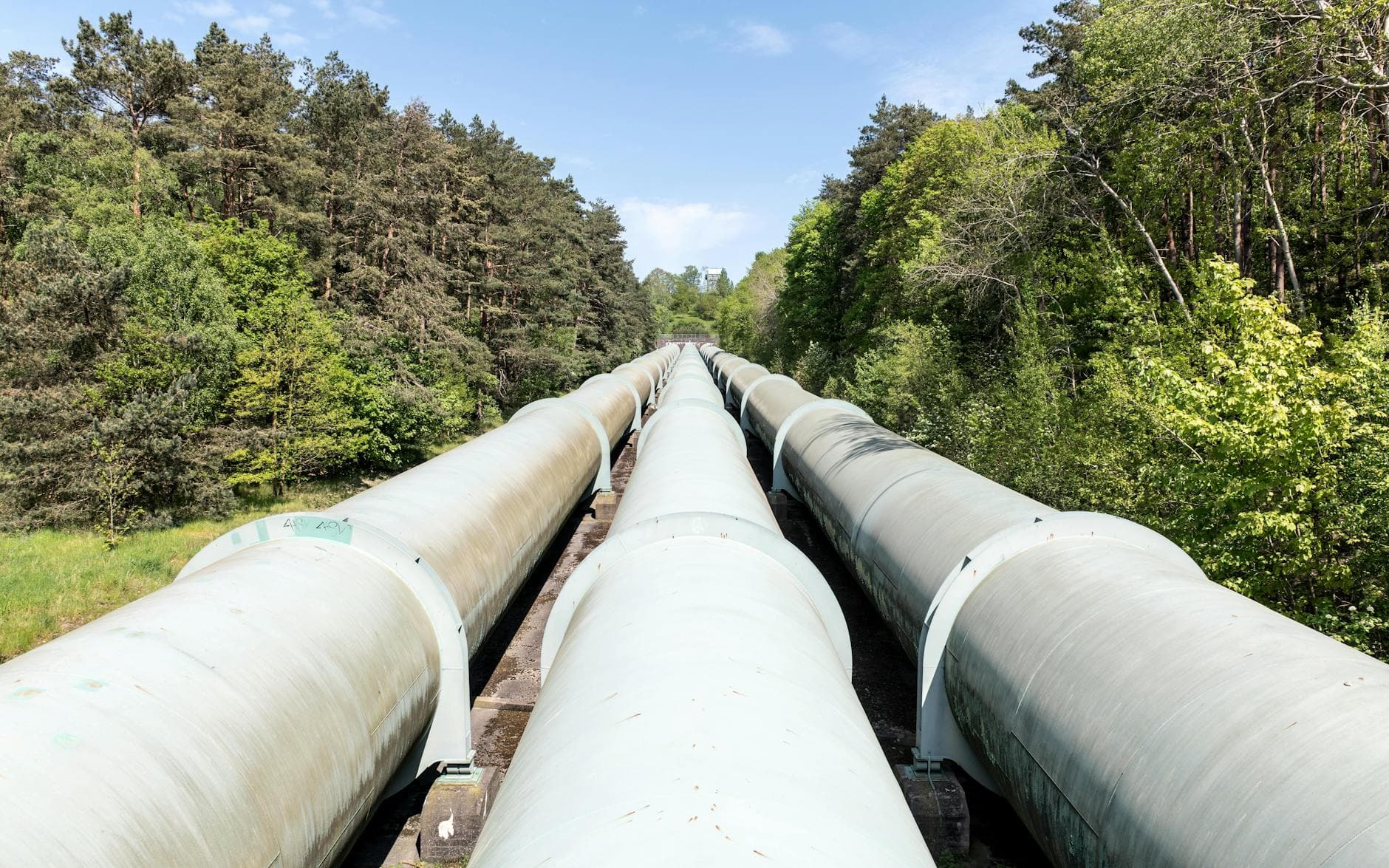
The volumes at stake are not trivial. Kazakhstan shipped 2.146 million metric tons of oil to Germany through the Druzhba route in 2025, about 43,000 barrels a day, up 44% from 2024. The first quarter of 2026 alone saw 730,000 tons move on the line. PCK Schwedt has an annual crude-processing capacity of 11.5 million tons, or about 230,000 barrels a day, and one Reuters-derived account said a full cutoff would remove about 17% of the refinery’s up-to-12-million-ton annual throughput.
That matters far beyond one plant. Rosneft Deutschland says its interests in three German refineries account for about 12% of Germany’s total refining capacity, a reminder that Berlin’s energy system is still tied to assets and routes shaped by its long relationship with Russia. Germany placed the local units of Rosneft, Russia’s biggest oil producer, under trusteeship in 2022, underscoring the legal and political strain left behind after Berlin backed Ukraine following Moscow’s full-scale invasion.
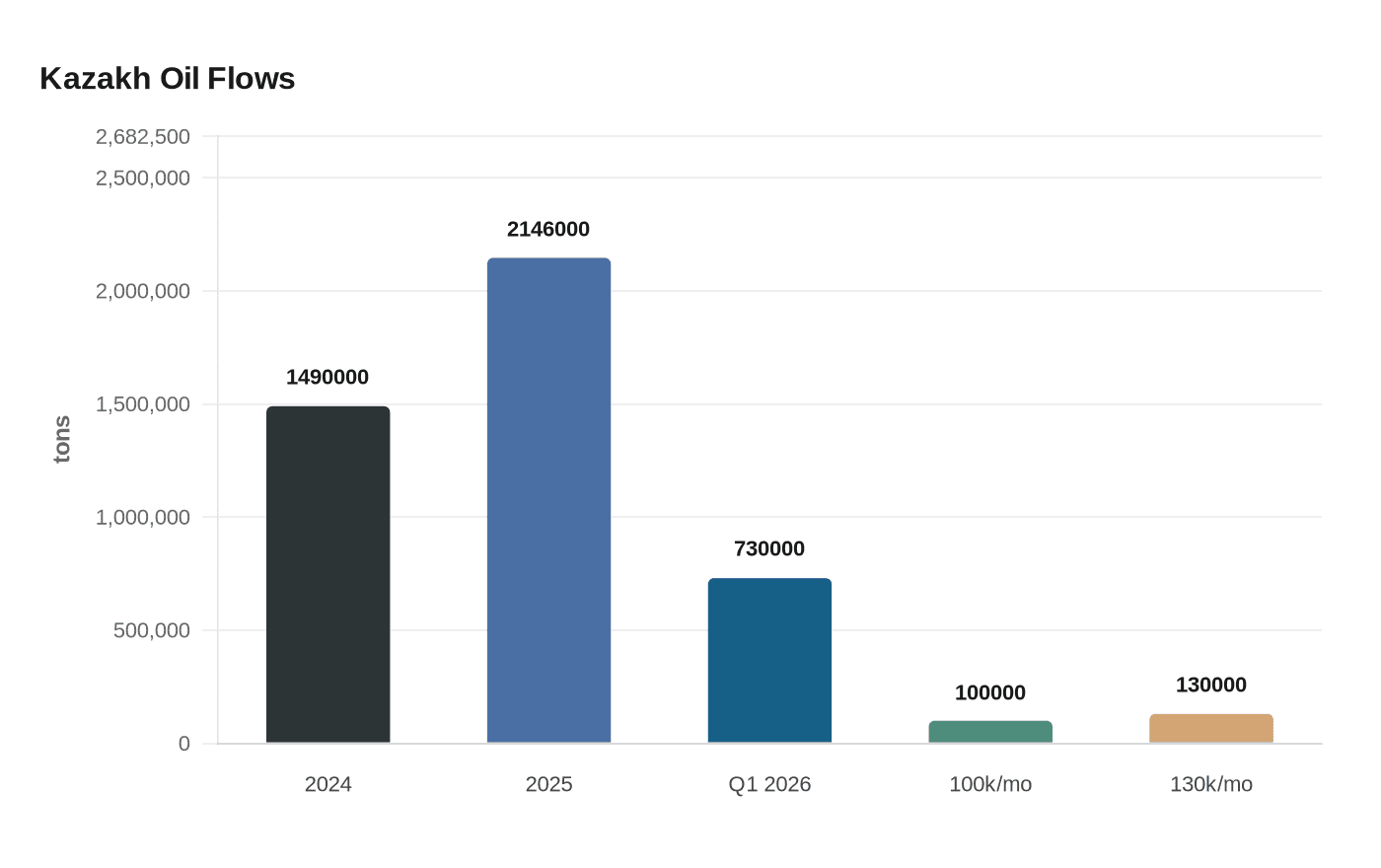
Kazakhstan has supplied oil to Germany through the northern branch of Druzhba since 2023, with earlier monthly deliveries set at 100,000 tons for PCK Schwedt and later talks raising that to about 130,000 tons under an extended KazMunayGas-Rosneft Deutschland arrangement through the end of 2026. The pipeline itself has also been repeatedly disrupted by attacks on Russian energy infrastructure, and Ukraine said repairs had recently been completed, with flows expected to resume. For Germany, the latest threat is less about one cargo stream than about the enduring leverage that comes from controlling the pipes.
This article was produced by Prism’s automated news system from verified source data, official records, and press releases, then run through automated quality and moderation checks before publishing. The system is built and supervised by the people who set the standards it runs under. Read our full AI policy.
Did this article answer your question?


