Trump ridicules Obama-era Iran deal as critics cite war avoided
Trump mocked the Iran deal Obama sealed in 2015, but its uranium limits and inspections kept the program under tight watch until the U.S. walked away in 2018.
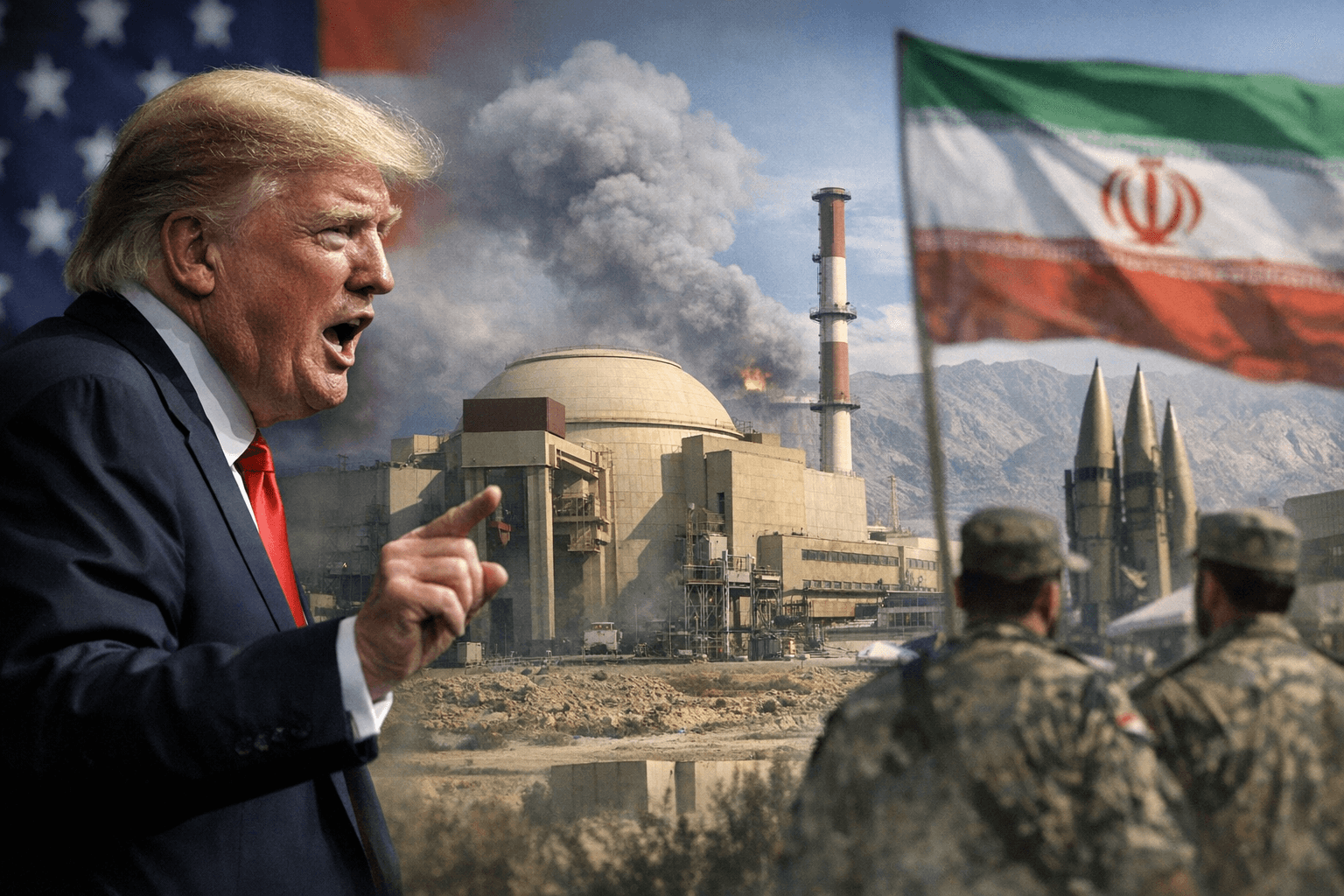
The Iran nuclear deal imposed hard limits on uranium stockpiles, enrichment levels and centrifuge use before Donald Trump tore up the American commitment in 2018. Today, critics of that withdrawal say those guardrails mattered, arguing the agreement helped reduce the odds of a wider war by keeping Iran’s nuclear program inside a monitored framework.
Formally known as the Joint Comprehensive Plan of Action, the deal was announced on July 14, 2015, by Iran, the P5+1 countries, and the European Union after years of negotiations. The P5+1 brought together China, France, Germany, Russia, the United Kingdom and the United States. Six days later, on July 20, 2015, the United Nations Security Council unanimously adopted Resolution 2231 and endorsed the accord, calling its conclusion a “fundamental shift” in how it handled the Iranian nuclear issue.
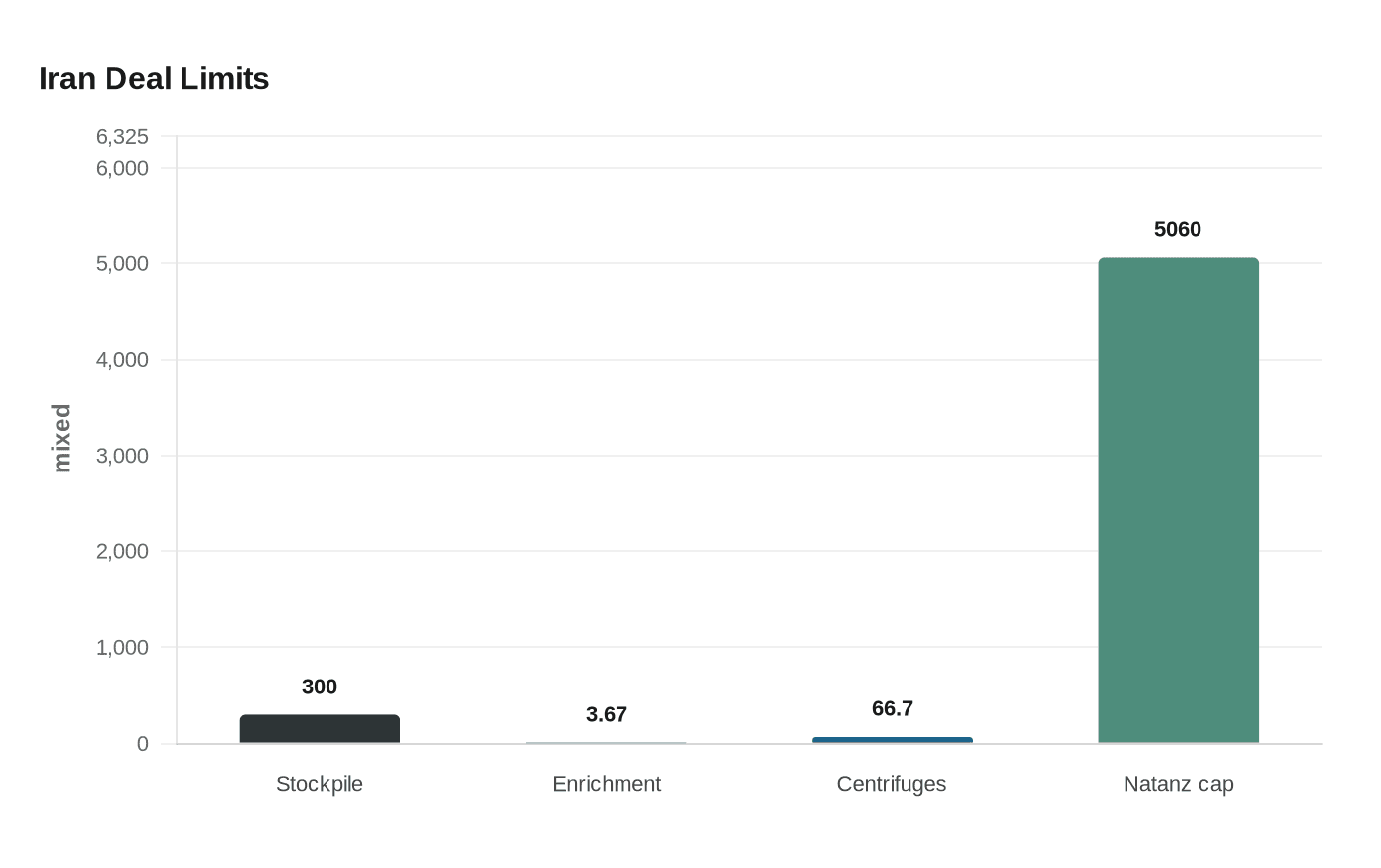
At the center of the agreement were concrete restrictions. Iran agreed to cut its stockpile of about 10,000 kilograms of low-enriched uranium to 300 kilograms. It also agreed not to enrich above 3.67 percent uranium-235, to reduce its centrifuges by about two-thirds, and to keep enrichment at Natanz with 5,060 first-generation IR-1 centrifuges for 10 years. The pact also required intrusive International Atomic Energy Agency monitoring and an additional protocol that gave inspectors deeper access.
The IAEA said Iran had completed the steps needed for Implementation Day on January 16, 2016, and that inspectors verified the measures required to start enforcing the deal. The agency said it verified and monitored Iran’s JCPOA commitments from that day until the United States withdrew in 2018. Trump announced that exit on May 8, 2018, even as Britain, France, Germany, Russia, China and the European Union publicly sought to preserve the agreement.
The deal was controversial from the start. President Barack Obama defended it as a step away from nuclear proliferation and toward greater transparency. Benjamin Netanyahu denounced it as a threat to Israel’s survival. In Washington, the fight over whether enough Senate Democrats would support the agreement became a major test of Obama’s foreign policy. The dispute has never fully gone away, and Trump’s ridicule of the pact has reopened the same question at the center of the debate: whether the guardrails removed in 2018 helped push Iran, the region and the United States toward greater danger.
This article was produced by Prism’s automated news system from verified source data, official records, and press releases, then run through automated quality and moderation checks before publishing. The system is built and supervised by the people who set the standards it runs under. Read our full AI policy.
Did this article answer your question?