Trump’s ‘nuclear dust’ claim raises questions about Iran’s uranium stockpile
Trump’s phrase blurs a real nuclear accounting problem. Iran’s stockpile still has to be located, verified, and secured before policy can move forward.
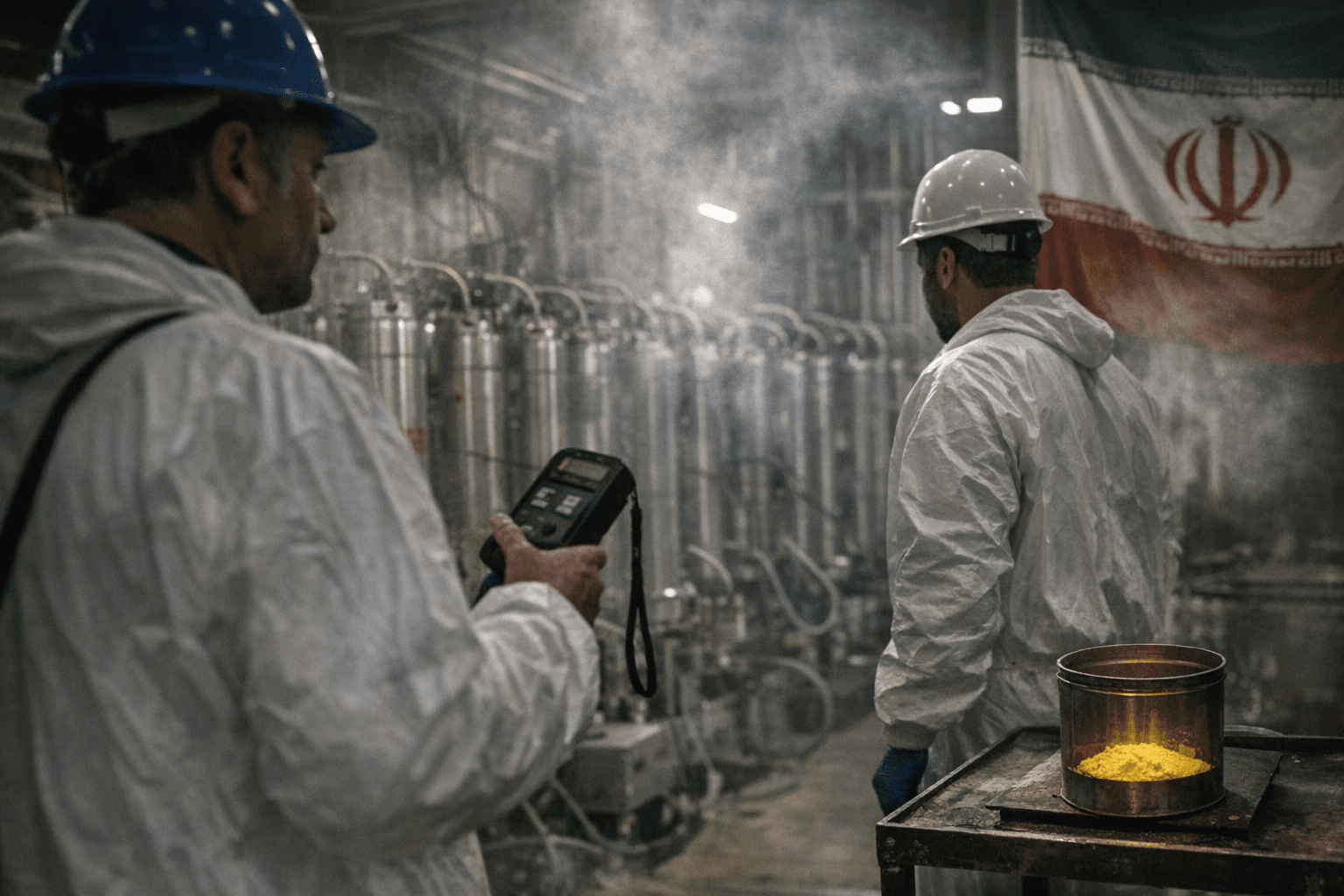
Trump’s phrase sounds vivid, but it is not how nuclear agencies measure the problem in Iran. The real issue is not “dust” as a slogan; it is whether uranium can still be located, counted, and inspected after the June 2025 strikes on Fordow, Natanz, and Isfahan.
What “nuclear dust” can mean, and what it does not
In plain English, “nuclear dust” would most likely mean tiny radioactive particles, residue, or contaminated debris left behind after damage to uranium-bearing material. That is a lay description, not a technical category used by the International Atomic Energy Agency or the Nuclear Regulatory Commission, which talk instead about radioactive materials, source material, special nuclear material, and contaminated residues.
That distinction matters because dust is a condition, not an inventory. If uranium has been dispersed into rubble, tunnel entrances, or contaminated surfaces, officials still need to know how much material exists, in what chemical form, and whether it can be recovered, moved, or hidden from inspectors. The IAEA’s own safeguards language makes that clear by asking for the locations, quantities, chemical forms, and enrichment levels of Iran’s stockpile.
What the strikes did, and did not, settle
The June 2025 U.S. and Israeli strikes hit Iran’s Fordow, Natanz, and Isfahan, and the IAEA reported damage at Esfahan that included a uranium conversion plant and an enriched uranium metal processing facility. It later said access roads and an entrance to underground tunnels at Fordow were hit as well. CSIS concluded the strikes caused significant damage, but did not eliminate Iran’s nuclear program.
That unresolved status is why Isfahan sits at the center of the debate. CSIS said half of the nuclear material was being stored there, while reporting based on IAEA material put much of Iran’s 60 percent enriched uranium in a tunnel complex at Isfahan. Rafael Grossi later said in March 2026 that almost half of Iran’s uranium enriched to up to 60 percent purity was stored there and was probably still there.
How close 60 percent uranium is to weapons-grade
Uranium enriched to 60 percent is not weapons-grade, but it is far closer to that threshold than ordinary civilian reactor fuel. The NRC says weapons-grade uranium generally means highly enriched uranium above 90 percent U-235, and the IAEA has likewise described weapons-grade HEU as uranium enriched to 90 percent or greater. That gap is exactly why the remaining stockpile matters so much.
Reporting based on IAEA material has put Iran’s 60 percent enriched stockpile at roughly 440 kilograms, while the agency itself has publicly said it was tracking more than 400 kilograms of uranium enriched to 60 percent. Even without a bomb count, that is enough material to keep proliferation planners worried, because the key question is not only how much uranium exists, but where it is and whether anyone can verify it.
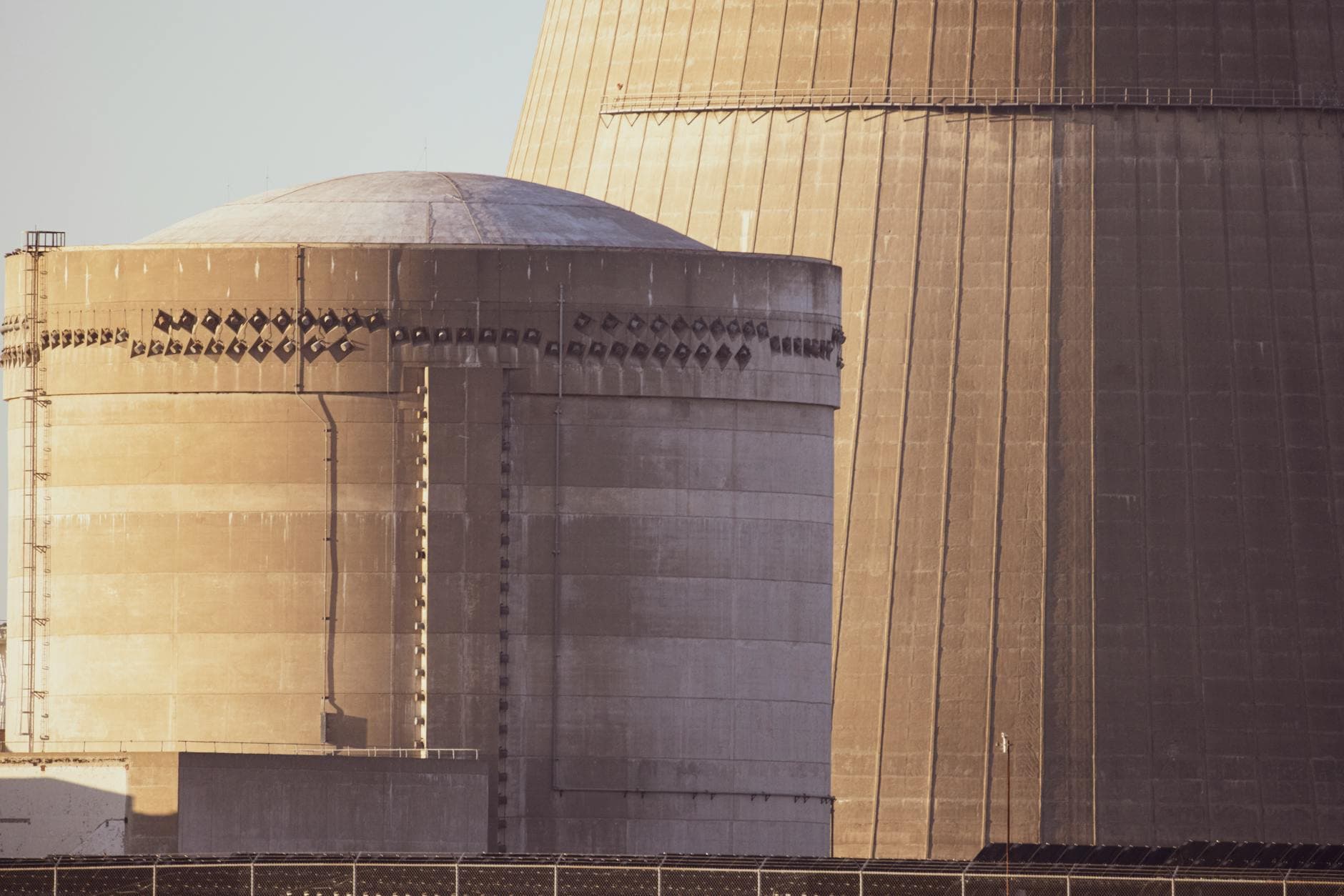
Why inspectors, not slogans, matter
The IAEA’s problem is practical, not rhetorical. Its February 2026 safeguards report said Iran had not provided a report on the status of the facilities affected by the June 2025 attacks or access to those facilities as required under its safeguards agreement. The same report asked for verified information on the stockpile’s locations, quantities, chemical forms, and enrichment levels.
That is why “nuclear dust” is such a misleading shorthand. It can suggest a cloud of debris or contamination, when the policy issue is whether the uranium itself is intact, displaced, sealed off, or hidden in underground structures. Grossi has repeatedly said that inspectors have to return and establish the facts on the ground before any durable arrangement can hold.
Why precision from presidents matters
Presidential language shapes public expectations and policy space. When a leader speaks about “dust,” audiences may picture something scattered and secondary, when the actual challenge is stock accounting, site access, and the legal and operational question of who can take custody of uranium that may be buried, concealed, or still in tunnels. CSIS has also noted that in a 20-minute speech on April 1, Trump referred to nuclear weapons more than 20 times, underscoring how central the issue is in his rhetoric.
That precision matters even more because the conflict has not produced a final settlement. CSIS says Tehran still seeks sanctions relief, recognition of its right to enrich uranium, and guarantees that attacks on Iran will not resume, while the broader ceasefire environment remains fragile. In that setting, loose language can blur the difference between contamination, recovery, and real nonproliferation policy.
The larger policy lesson
The United States has spent years trying to constrain Iran’s program through sanctions, negotiations, cyberattacks, and limited military force. The June 2025 strikes changed the physical landscape, but they did not resolve the strategic one. Until inspectors can return and the stockpile is fully accounted for, the most important unanswered question is not what Trump calls it, but what remains, where it is, and who controls it.
This article was produced by Prism’s automated news system from verified source data, official records, and press releases, then run through automated quality and moderation checks before publishing. The system is built and supervised by the people who set the standards it runs under. Read our full AI policy.
Did this article answer your question?


