Russia, Ukraine trade ceasefire accusations as Trump truce expires
The U.S.-brokered 72-hour truce expired with fresh strikes in Kharkiv and Kherson and both Moscow and Kyiv accusing the other of breaking it. The ceasefire’s main result was proof that neither side is ready to budge on Donbas or the shape of talks.
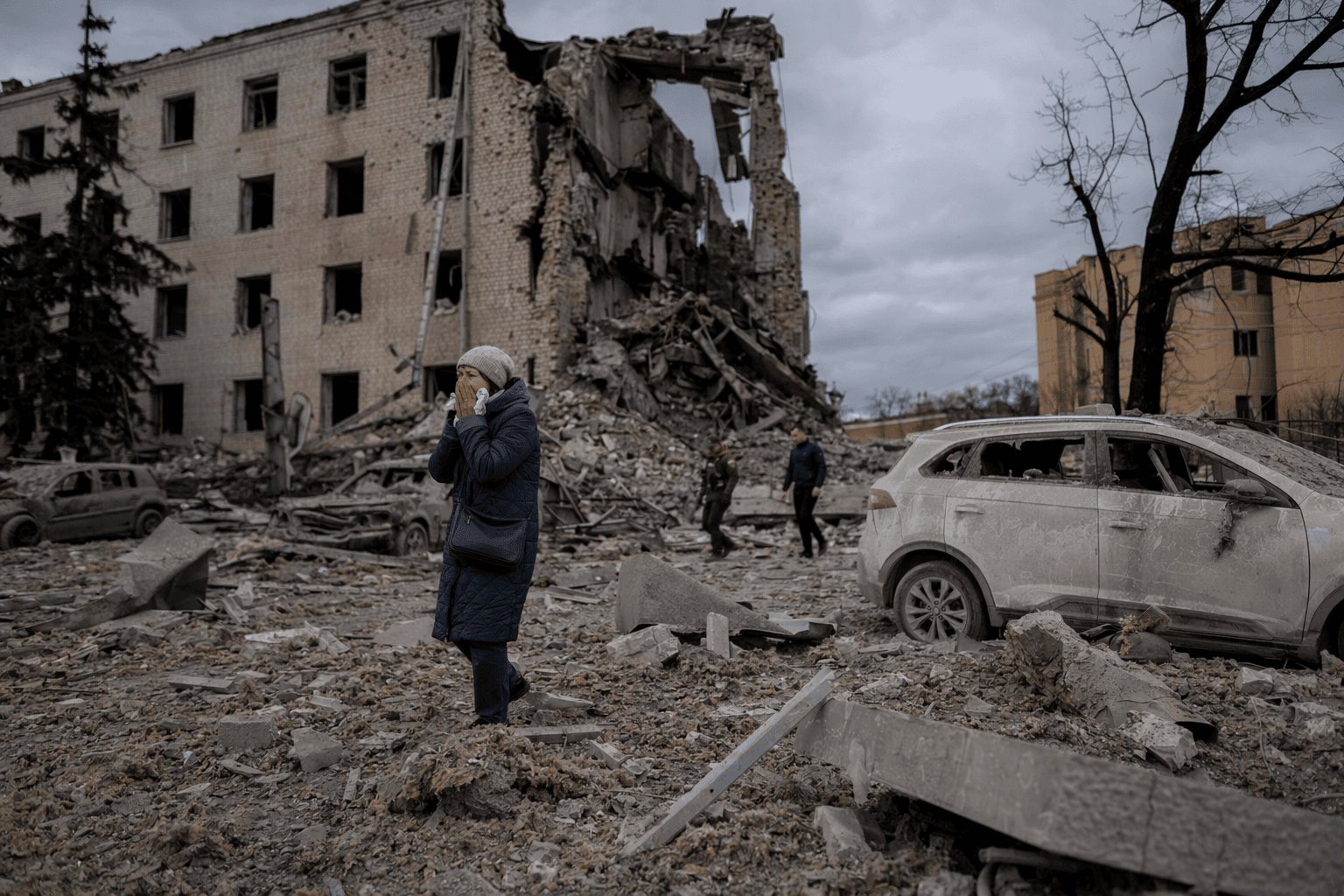
The brief U.S.-brokered truce ended as it began, under competing claims of violation and no sign that battlefield pressure had eased enough to force either side toward compromise. Ukraine said Russian drones, bombs and artillery hit civilian areas in the Kharkiv and Kherson regions on Monday, killing at least two people and wounding seven, while Russia’s Defense Ministry accused Kyiv of more than 1,000 ceasefire violations.
The 72-hour arrangement ran from May 9 to May 11, timed by Donald Trump to coincide with Russia’s Victory Day commemorations. Trump called the pause in fighting a possible “beginning of the end” of the war and said it included a prisoner exchange of 1,000 prisoners from each side. Ukrainian officials said the exchange was being prepared, while other accounts treated it as part of the broader deal.

On the ground, the scoreboard was bleak. The Washington-based Institute for the Study of War said NASA observations showed military activity decreased after the ceasefire began, but did not stop. That distinction matters: a reduction in strikes is not the same as a halt in fighting, and similar pauses since Russia’s full-scale invasion of Ukraine in February 2022 have collapsed amid mutual accusations of violations. An Orthodox Easter pause in April 2026 also failed.

The deeper problem is unchanged strategy. Vladimir Putin still wants control of all of Donbas, Ukraine’s industrial east, even though Russian forces have not fully captured it. Volodymyr Zelenskyy refuses to surrender the region and has offered both a ceasefire and a face-to-face meeting with Putin. The Russian president has rejected that idea until a negotiated settlement is nearly finalized, leaving no credible bridge between the two sides’ positions.
That gap leaves the ceasefire with more symbolic than practical value. European and American officials are weighing how to push the war toward talks, but the terms remain contested even at the level of mediation. Putin suggested former German Chancellor Gerhard Schröder as an intermediary over the weekend, and German and European officials rejected the idea. European Union foreign policy chief Kaja Kallas said the bloc must get its objectives straight before trying to negotiate with the Kremlin.
For Washington, the test is whether this pause was a diplomatic opening or another temporary reset that both sides used to score political points. If it collapses completely, U.S. credibility will take a hit. If it is extended without monitoring, enforcement or a dispute mechanism, the same pattern is likely to repeat: accusations first, diplomacy later, and the war continuing in between.
This article was produced by Prism’s automated news system from verified source data, official records, and press releases, then run through automated quality and moderation checks before publishing. The system is built and supervised by the people who set the standards it runs under. Read our full AI policy.
Did this article answer your question?


