Russia Uses Caspian Sea Route to Sustain Iran, Evade Blockades
With Hormuz shut, Russian grain ships returned to Iran via the Caspian, turning Bandar Anzali into a wartime lifeline for food and military cargo.
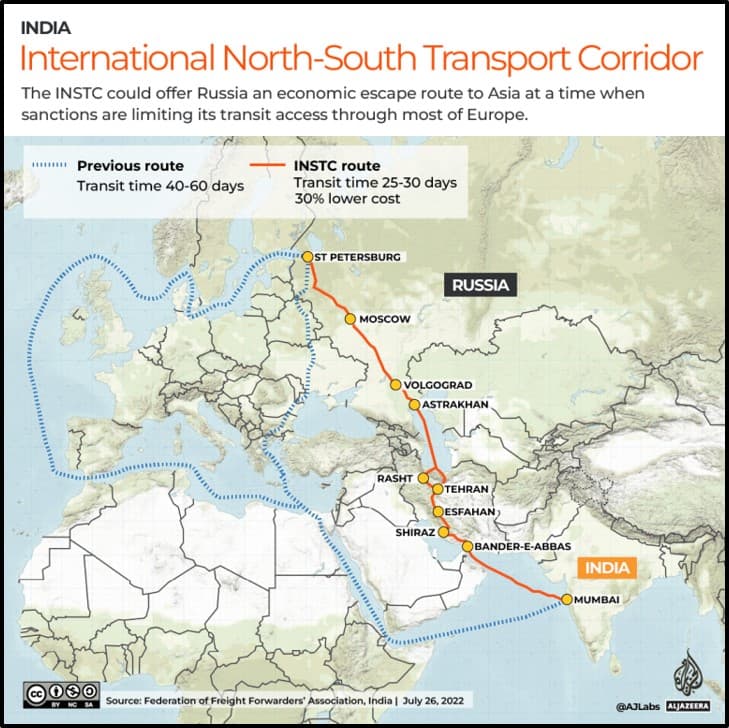
The Caspian Sea has become the quiet corridor keeping Iran supplied as pressure mounts elsewhere. Russian companies resumed grain exports to Iran through the inland waterway after a pause tied to the U.S.-Israeli war on Iran, restoring a route that has emerged as the safest channel for trade after the Strait of Hormuz closed.
That shift matters because the Caspian is more than a shipping lane. It is tied to the International North-South Transport Corridor, a 7,200-kilometer, or 4,500-mile, multimodal network linking India, Iran, Azerbaijan and Russia. For Moscow, the route offers a sanctions-resistant path to southern markets and warmer-water access. For Tehran, it is a pressure valve that keeps food moving even when maritime chokepoints fail.
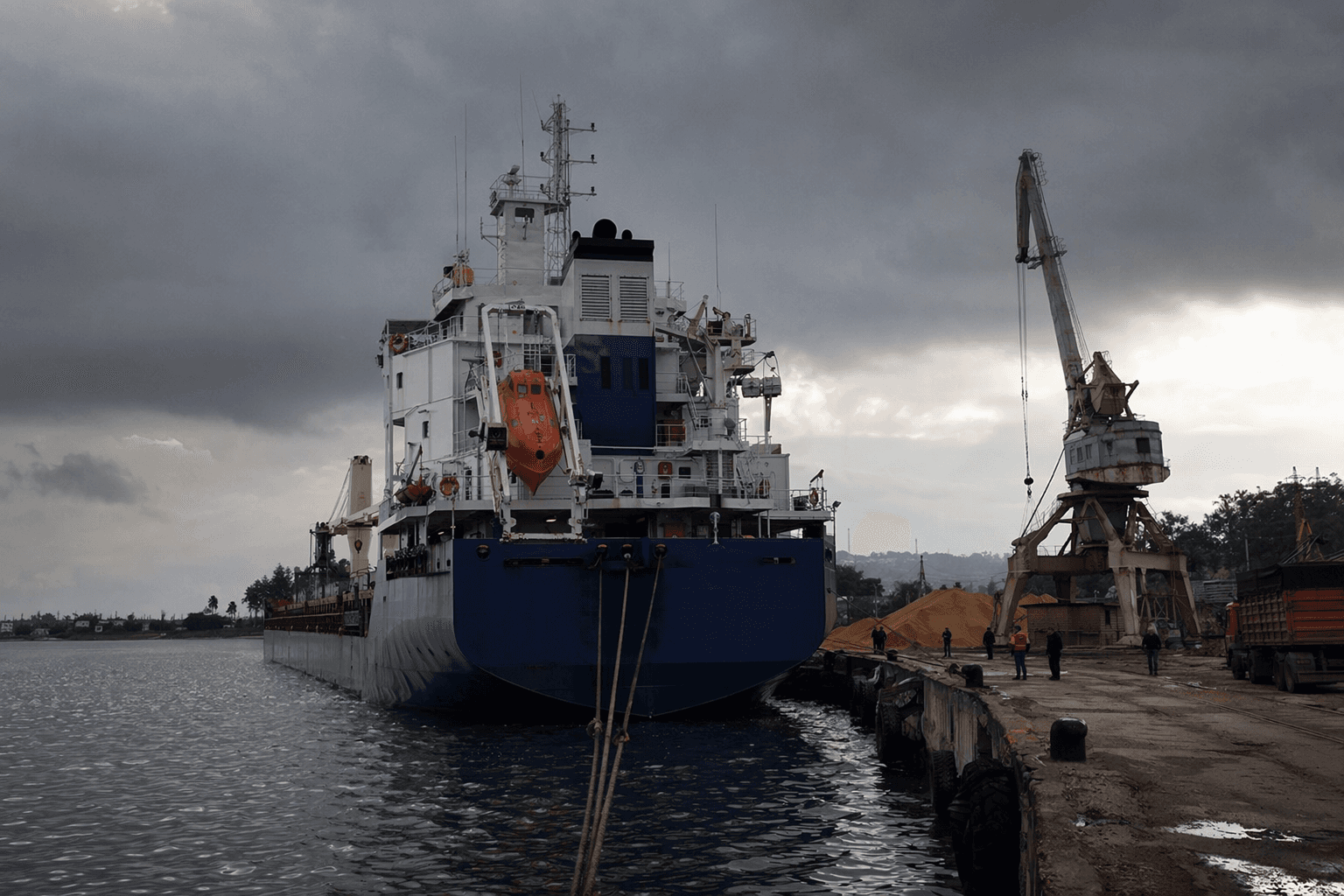
Bandar Anzali sits at the center of that strategy. The Iranian Caspian port is a key logistics hub and the home base of Iran’s northern naval fleet, giving it both commercial and military weight. That dual role has helped turn the port into a strategic target. Reports said Israel struck Bandar Anzali on March 18, 2026, in what was described as the first known Israeli attack in the Caspian region, briefly interrupting grain trade before shipments resumed.
The cargo mix moving through the corridor shows how closely commerce and security now overlap. Reports have linked Caspian shipments between Russia and Iran to weapons, drones, ammunition, oil and food. In 2024, the United States sanctioned two Russian shipping companies over Caspian transport of drone-related equipment and munitions for use in Ukraine, underscoring that the same waters have already carried sanctioned military logistics.
The trade route is also being used to soften broader disruption. Iran has been importing food and consumer goods through Pakistan, Turkey and Russia to bypass maritime bottlenecks, while analysts say alternative routes can keep commerce flowing only at higher cost, with more inflation. One recent estimate warned that Iran could run out of oil storage space in about 25 to 30 days if the blockade were not lifted.
For Russia, the Caspian link is a low-profile way to keep a key partner supplied and preserve leverage under sanctions. For Iran, it is a reminder that geography still matters: when open seas close, inland waters can become the difference between isolation and survival.
This article was produced by Prism’s automated news system from verified source data, official records, and press releases, then run through automated quality and moderation checks before publishing. The system is built and supervised by the people who set the standards it runs under. Read our full AI policy.
Did this article answer your question?


