Russian drone strike wounds 10 in Odesa, damages city center homes
A nighttime drone barrage hit Odesa’s center, wounding 10, including two children, and damaged apartments, a hotel and vehicles across three districts.
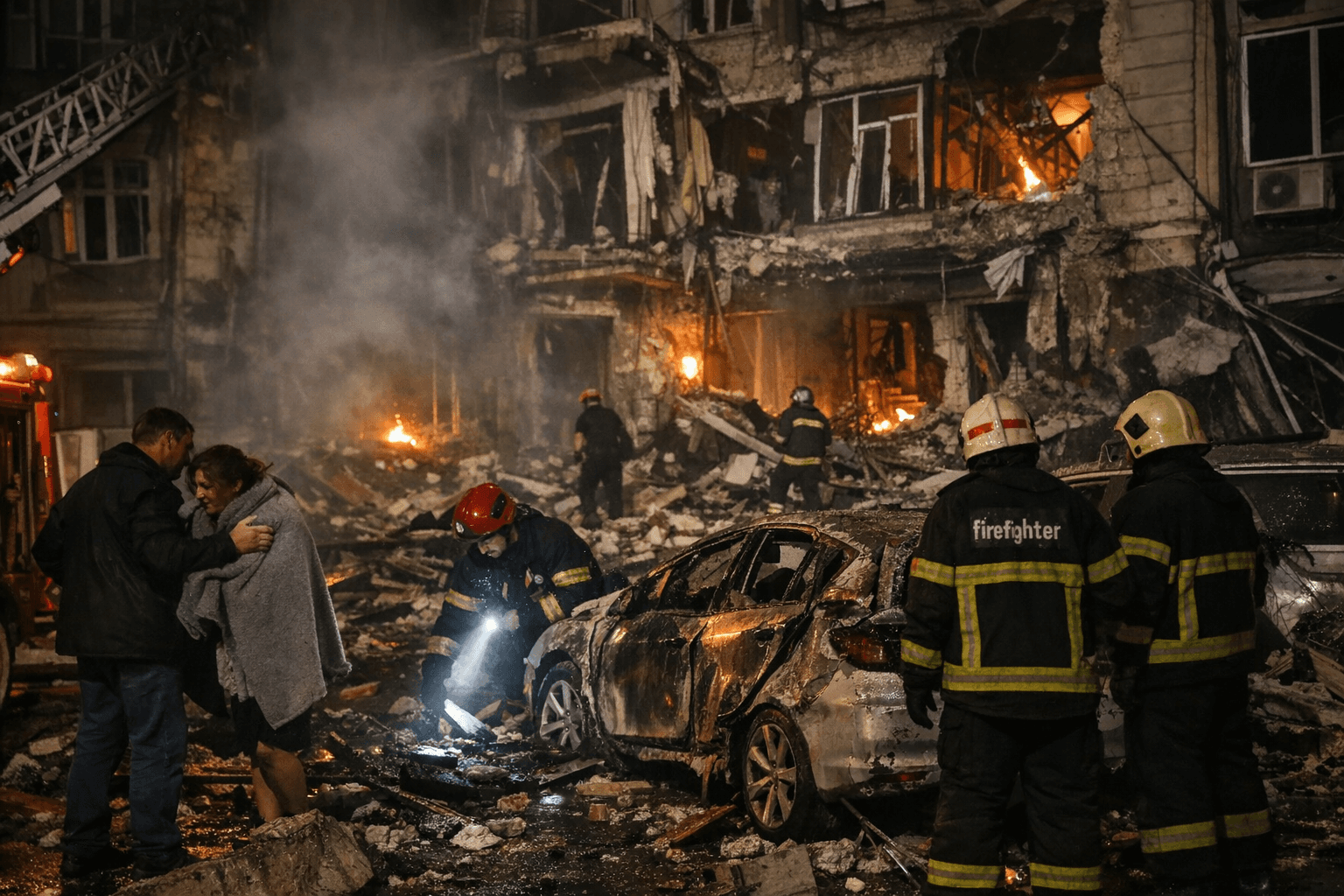
Ten people, including two children, were wounded when Russian drones struck Odesa overnight, punching holes in apartment blocks and damaging a hotel in the city’s central Prymorskyi district. Ukrainian officials said the heaviest destruction was concentrated in the city center, where residential buildings and other facilities were hit.
Serhiy Lysak, the head of the local military administration, said on Telegram that most of the injured were in Prymorskyi district and described the night as "extremely difficult." That account matched the scene across the port city, where the damage reached deep into residential neighborhoods rather than staying near an obvious military target.
High-rise residential buildings, private homes and vehicles were also hit in two other districts, widening the footprint of the attack beyond the central area. The strike left ordinary city infrastructure scarred in several parts of Odesa, reinforcing how drone warfare has increasingly shifted the burden of the war onto civilians living far from the front line.
The immediate impact was not only the wounded and the damaged buildings. In a city where people rely on crowded apartment blocks, busy streets and a functioning port economy, overnight attacks bring the prospect of shattered windows, broken facades and disrupted utilities long after the sirens stop. For families in residential areas, the danger is no longer abstract. It arrives at the window, the stairwell and the bedroom.
Odesa’s role as a major Black Sea export hub gives the attack wider significance. Pressure on the city can ripple through port operations, commerce and the logistics routes that move goods across the Black Sea. The repeated use of drones against Odesa also forces Ukraine to keep splitting air-defense resources between cities, ports and critical infrastructure, a strain that grows harder with every new wave.
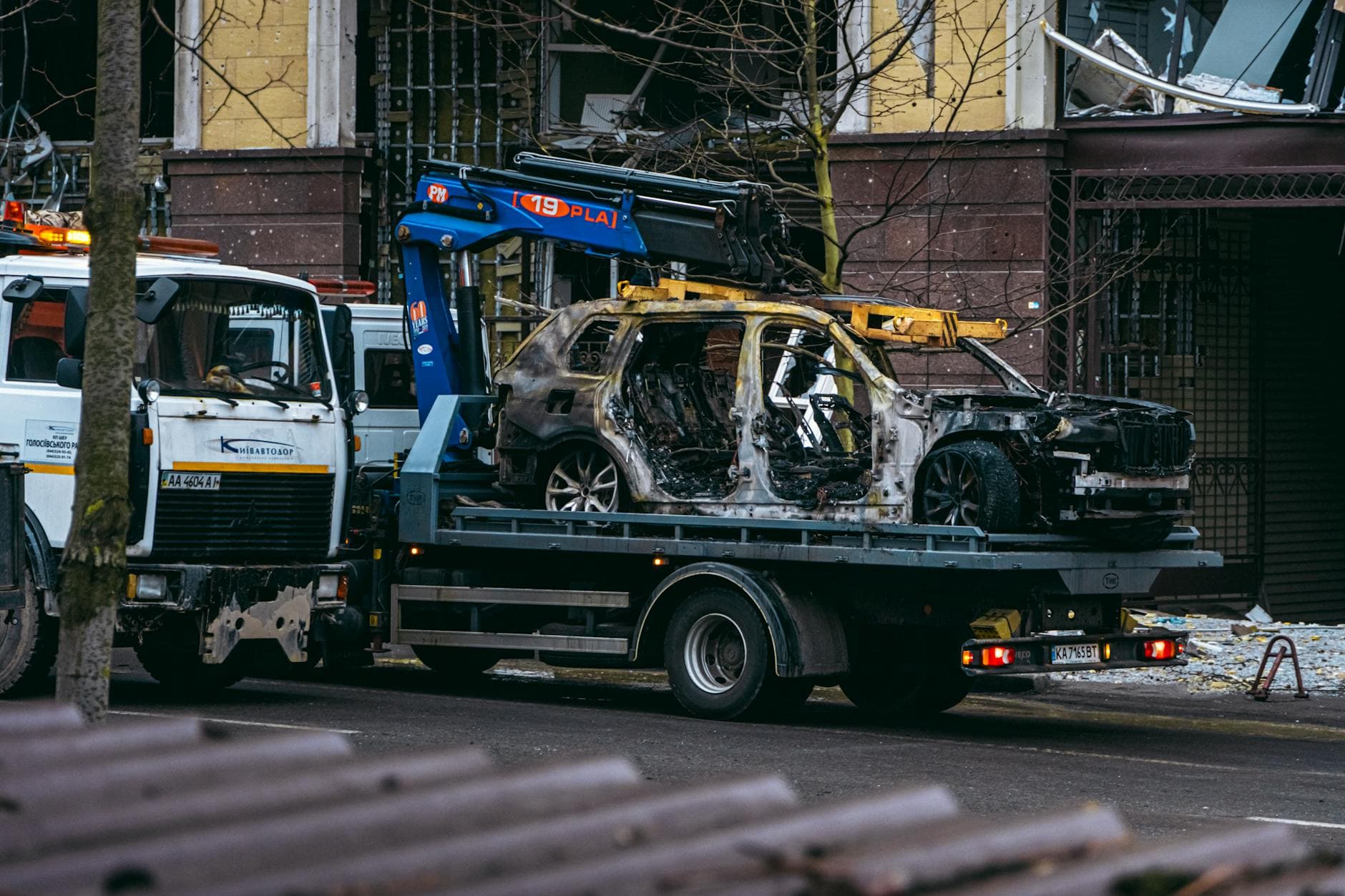
The casualty count was lower than in some previous attacks on Ukraine, but the presence of children among the wounded and the damage to homes in the city center underscored the pattern now defining much of the war in urban areas: repeated strikes that wear down daily life, test air defenses and keep civilian neighborhoods under constant threat.
This article was produced by Prism’s automated news system from verified source data, official records, and press releases, then run through automated quality and moderation checks before publishing. The system is built and supervised by the people who set the standards it runs under. Read our full AI policy.
Did this article answer your question?


