Russian fuel shortages deepen as Ukrainian strikes hit energy supply
Empty pumps and stalled cars spread from the Baltic edge to Siberia as more than 40 Russian regions capped fuel sales and shortages hit daily routines.
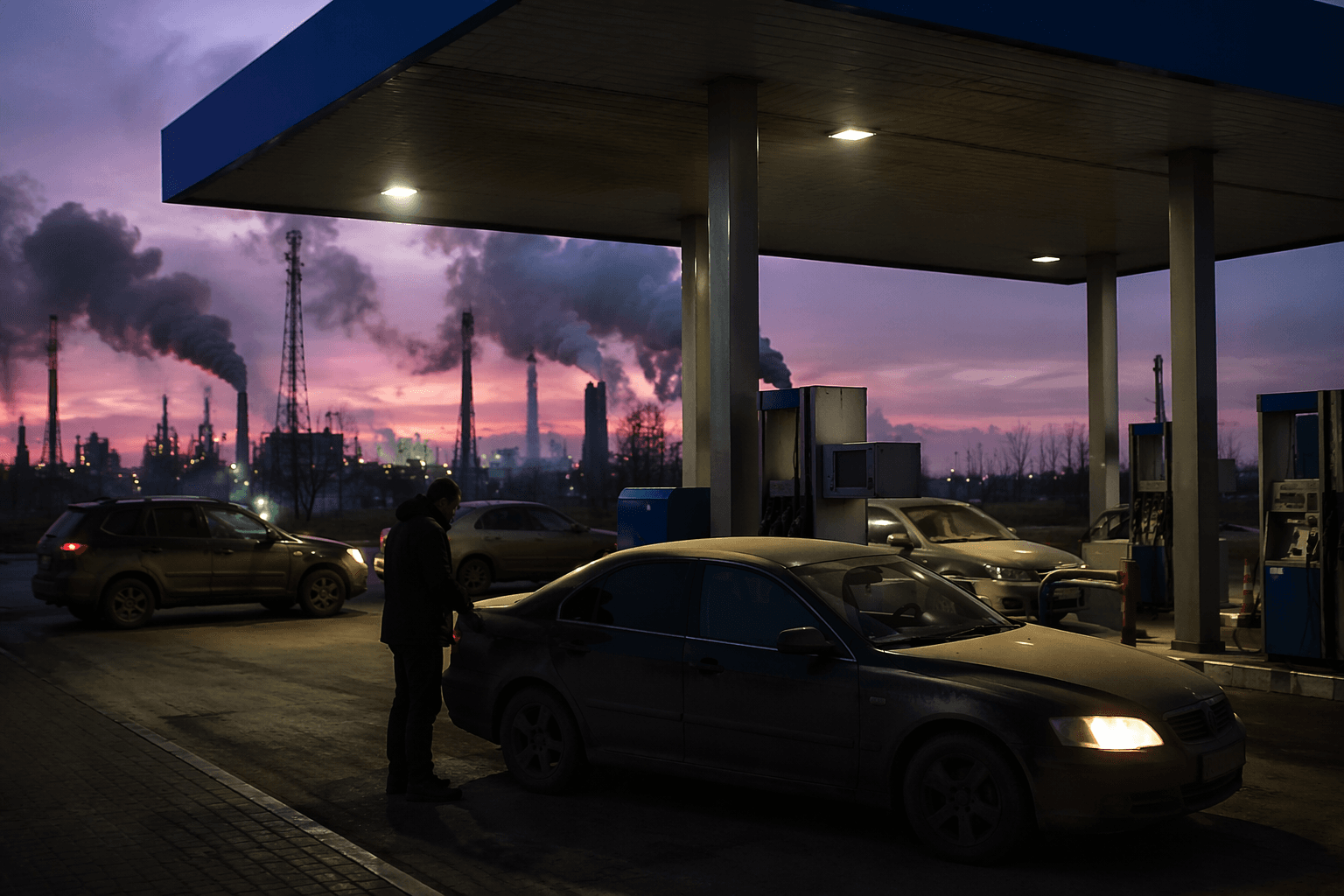
Daria edged forward in a fuel line in the Leningrad region while her nearly empty car kept stalling, a small roadside scene that captured a larger contradiction in Russia’s wartime economy. A country built around energy exports was struggling to keep domestic pumps supplied.
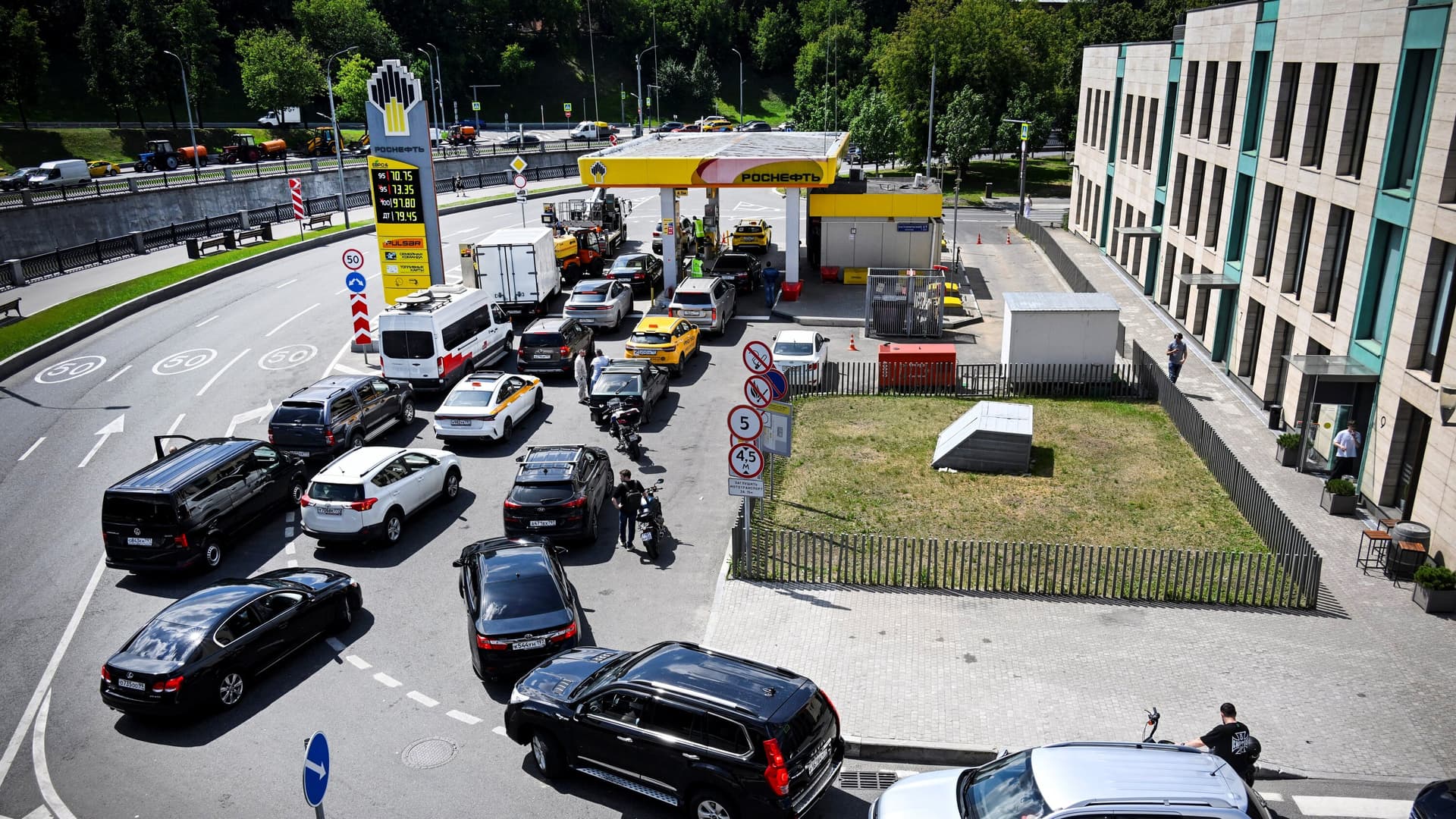
The shortage has spread from Russia’s Baltic edge to Siberia, with drivers facing long queues, empty stations and, in some places, signs that simply read out of order. By June 30, fuel-sales restrictions were in place in more than 40 regions. In Moscow, Kursk and Bryansk, officials limited purchases to vehicle tanks and barred drivers from filling portable containers such as jerry cans. The tightest squeeze has fallen on AI-92 and AI-95 gasoline, while diesel has remained more readily available.
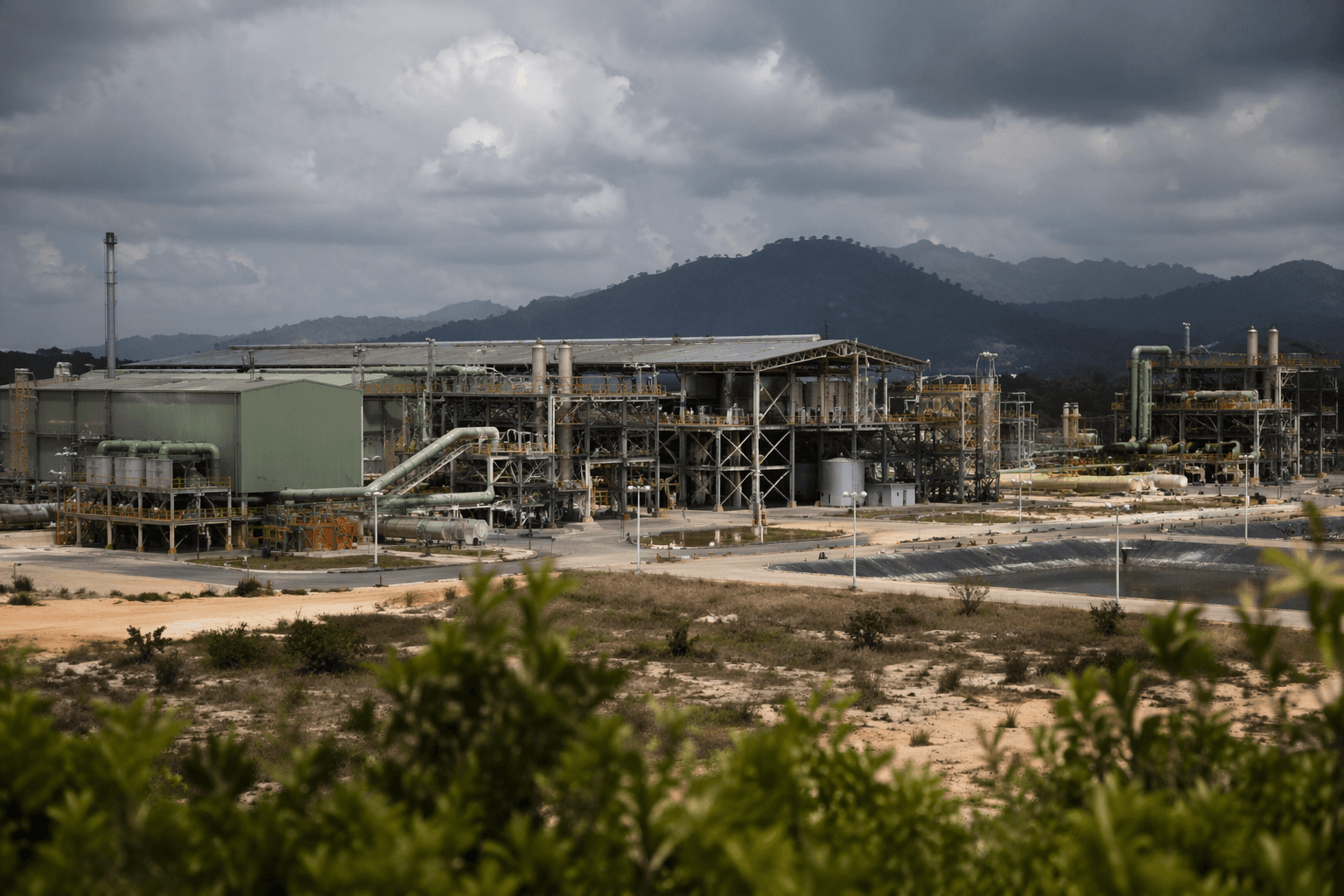
The shortages have been driven by Ukrainian strikes on Russian energy infrastructure, along with refinery outages and unscheduled repairs that have cut into supply. By late June, gasoline production at several major refineries in central Russia had fallen by about 25 percent from a year earlier. Russia opened talks with Kazakhstan on June 24 to import about 50,000 metric tons of AI-92 gasoline, a stopgap that underscored how quickly the pressure had moved from local inconvenience to national supply problem. On June 28, Vladimir Putin acknowledged that fuel supply problems had created shortages in Russian regions and said a task force was working to ensure enough fuel moved across the country.
The regional spread has been broad enough to force local authorities into rationing. A fuel map published on June 26 put the crisis in 56 Russian regions. Different tallies showed the shortage reaching far beyond the usual refinery belt, with queues forming at gas stations and motorists reporting that some pumps had gone dry before the day was over. Nikita, one of the drivers interviewed, said nobody knew how long the disruption would last.
The political effects are starting to show as well. A Levada Center survey found that 52 percent of Russians thought the country was on the right track in June, down from 61 percent in May. The same poll put Putin’s approval at 74 percent, the lowest level since the start of the war in 2022. Meduza said the June decline was the fastest pace since the full-scale war began. For drivers like Daria, the strain is no longer abstract: it is measured in stalled engines, empty pumps and the wait for fuel that never seems to come.
This article was produced by Prism’s automated news system from verified source data, official records, and press releases, then run through automated quality and moderation checks before publishing. The system is built and supervised by the people who set the standards it runs under. Read our full AI policy.
Did this article answer your question?