Russian jets came within 19 feet of U.K. spy plane over Black Sea
A Russian Su-27 came within 19 feet of a U.K. Rivet Joint over the Black Sea, forcing emergency systems into action and sharpening NATO’s escalation risk.
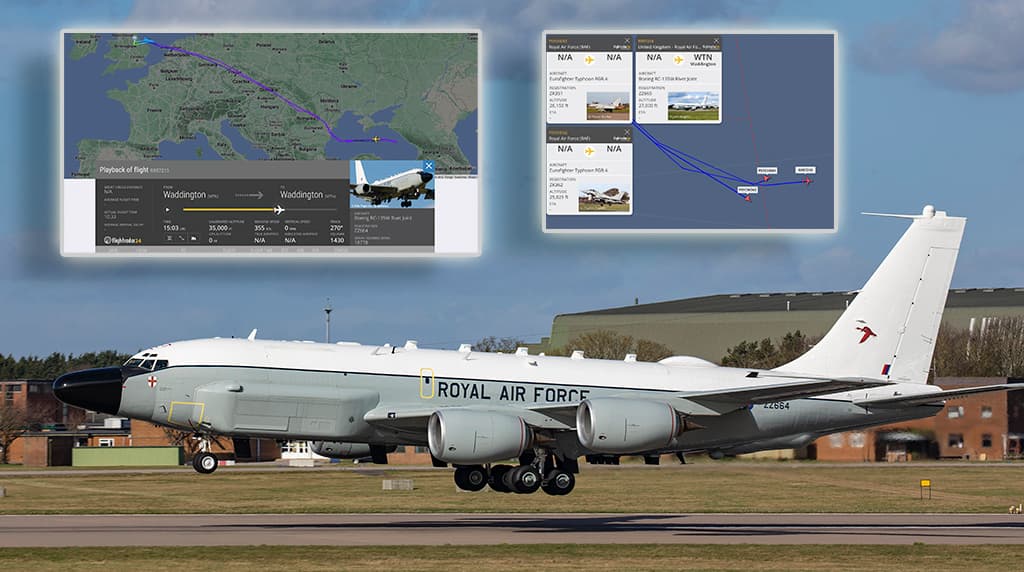
The difference between routine surveillance and a crisis shrank to six metres over the Black Sea, where Russian jets came so close to an RAF Rivet Joint that the aircraft’s emergency systems kicked in and its autopilot was disabled. The near miss turned a standard intelligence flight in international airspace into a sharp test of NATO deterrence, showing how quickly a close escort can become an escalation event.
The Ministry of Defence said one Russian Su-35 flew close enough to trigger the Rivet Joint’s emergency systems, including disabling autopilot, while a Russian Su-27 then made six passes in front of the British aircraft and came within 19 feet of its nose. The RAF plane was unarmed and was carrying out a routine mission over the Black Sea as part of allied efforts to secure NATO’s eastern flank. Despite the pressure, the Royal Air Force crew stayed calm and completed the mission.
Defence Secretary John Healey said the incident was another example of dangerous and unacceptable Russian behavior. He said it created a serious risk of accidents and potential escalation, and would not deter Britain’s commitment to defend NATO, allies and British interests. The Foreign, Commonwealth and Development Office and the Ministry of Defence also demarched the Russian Embassy, formally condemning the conduct of the pilots involved.
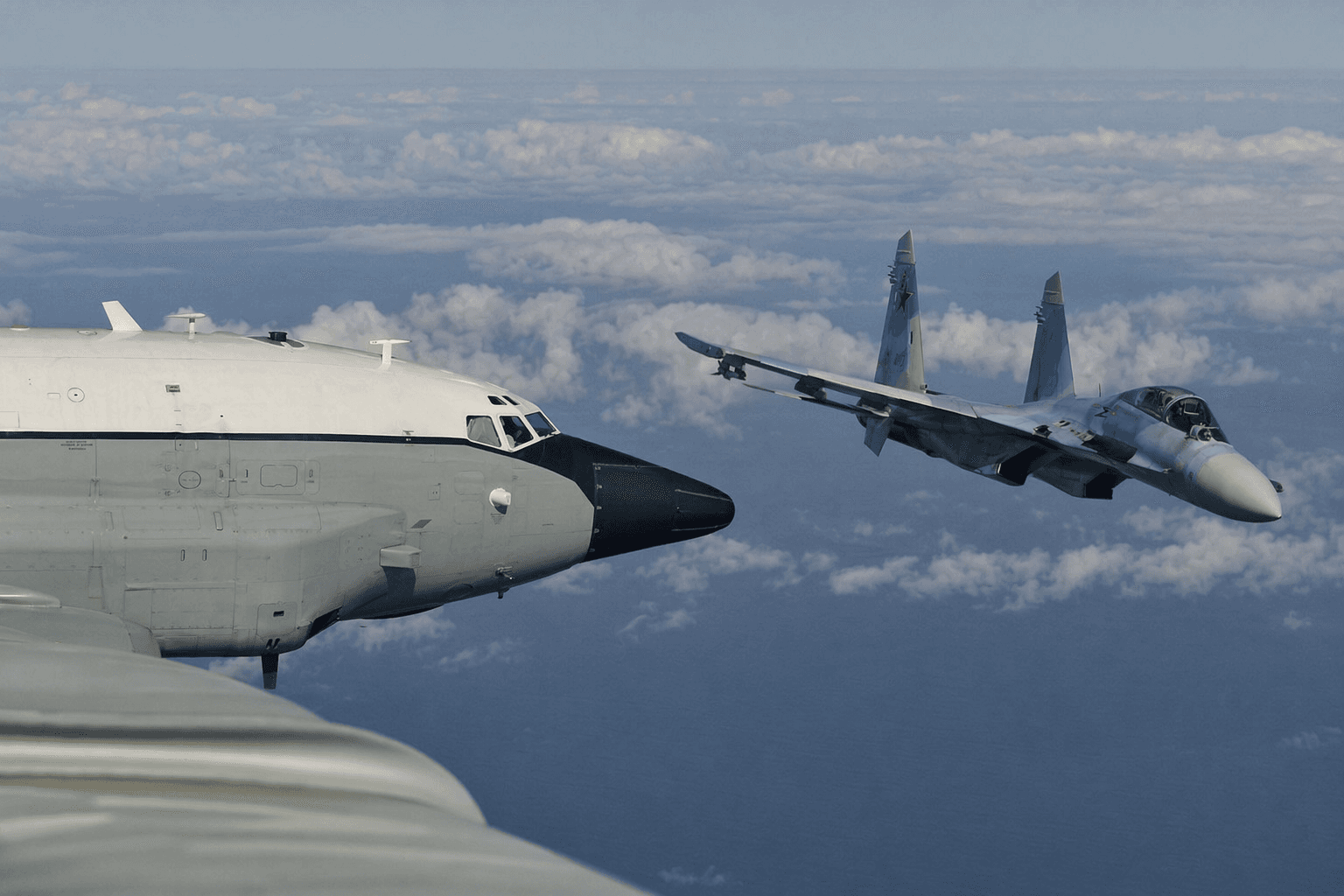
The episode landed with particular force because it was the most dangerous Russian action against a U.K. Rivet Joint since 2022, when a Russian plane released a missile near a British surveillance aircraft over the Black Sea. Moscow later described that missile release as a technical malfunction. Even with that history, the latest intercepts pushed closer than the U.K. has publicly described in years, reinforcing how narrow the margin has become for unarmed reconnaissance flights operating near contested airspace.
The timing also matters. The Black Sea encounter came amid a wider run of security incidents across Europe, including a drone violation of Lithuanian airspace and a fighter jet shooting down a suspected Ukrainian drone over Estonia. Britain has also tracked three Russian submarines spending more than a month loitering near critical undersea infrastructure in the North Atlantic. Together, the episodes point to a broader pattern: pressure is building along NATO’s edges, and the alliance’s routine surveillance missions are increasingly being used as the front line of deterrence.
Know something we missed? Have a correction or additional information?
Submit a Tip