Russian jets dangerously intercept RAF surveillance plane over Black Sea
Russian pilots came within six metres of an RAF Rivet Joint over the Black Sea, briefly disabling its autopilot and raising fears of a misstep with Nato forces.
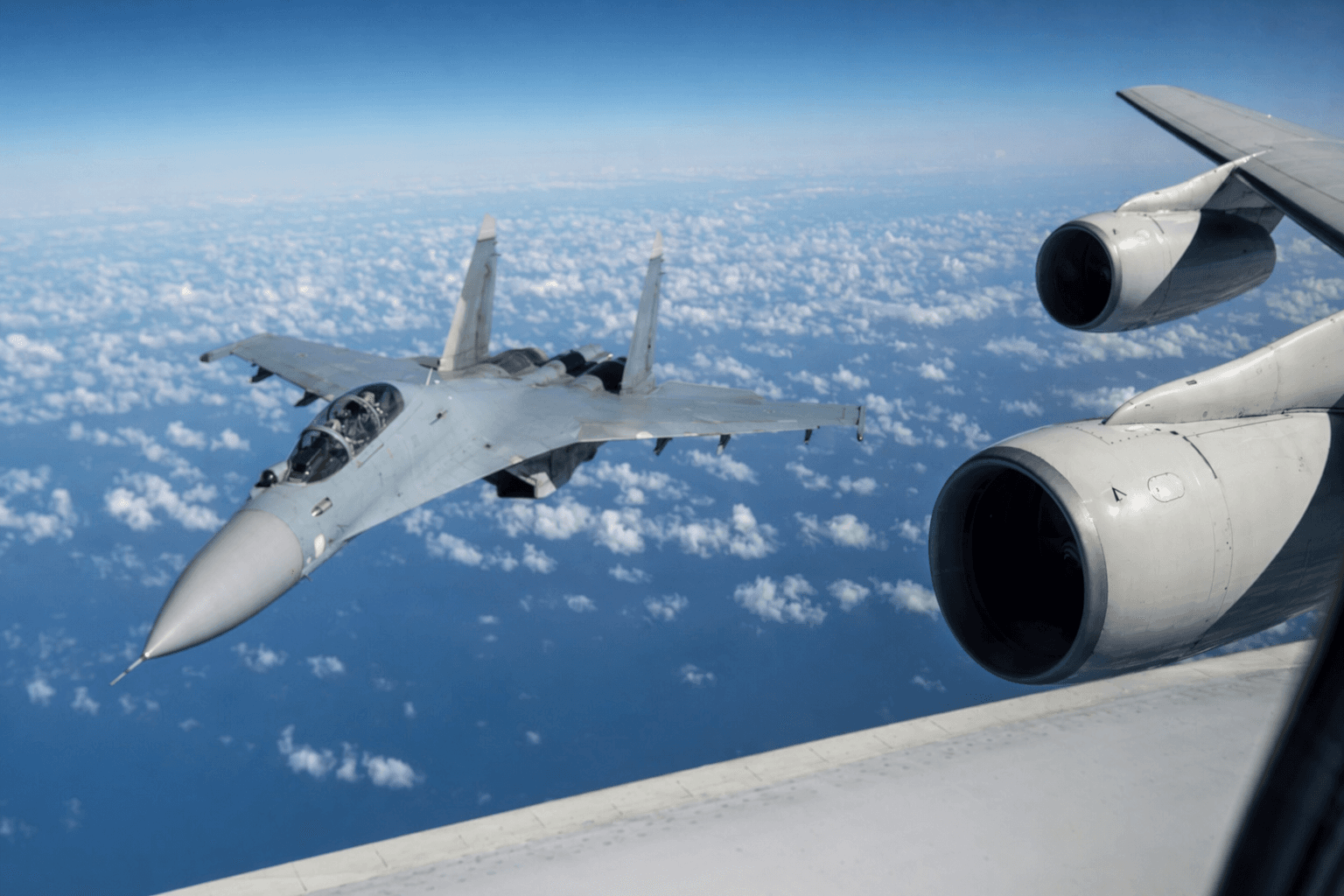
Russian jets put an RAF surveillance flight in the kind of close pass that turns routine interception into a crisis. One Su-35 flew close enough to trigger emergency systems on the Rivet Joint and disable its autopilot, while a Su-27 then made six passes in front of the British aircraft and came within six metres of its nose.
The UK Ministry of Defence said the aircraft was on a routine mission in international airspace, unarmed, and supporting work alongside allies to help secure Nato’s eastern flank. The Rivet Joint crew kept flying and completed the sortie, but the encounter was serious enough for officials from the Ministry of Defence and the Foreign, Commonwealth and Development Office to demarche the Russian Embassy over what London called dangerous and unacceptable behaviour.
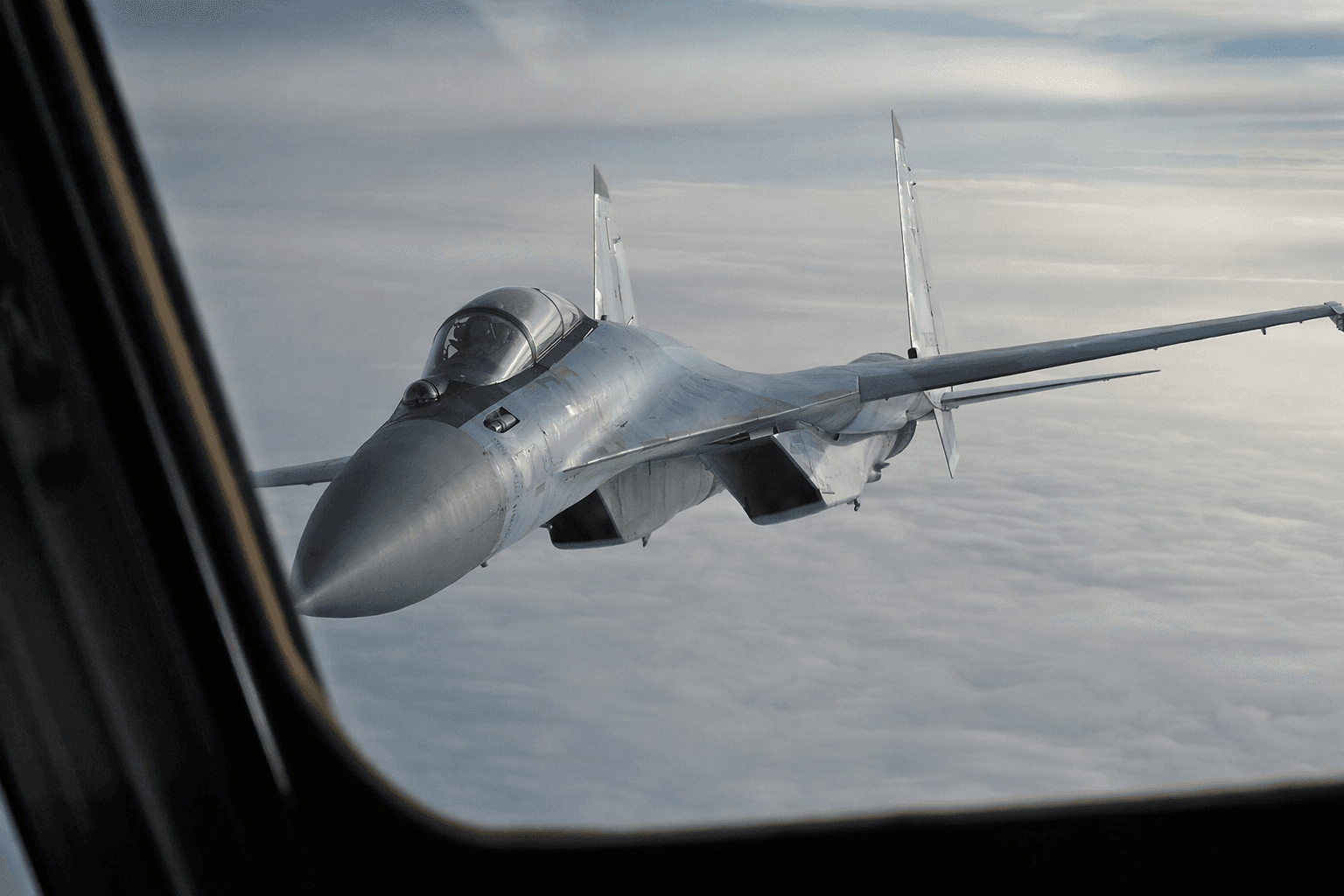
The incident matters because intercepts are meant to track and signal, not to force an opponent’s aircraft into an emergency. Military aircraft operating near each other in international airspace are expected to maintain enough separation to avoid collision, especially when one side is flying a reconnaissance platform such as the Royal Air Force’s Rivet Joint, a 51 Squadron aircraft based at RAF Waddington that uses advanced sensors for electronic surveillance. The farther such encounters drift from disciplined procedure, the greater the risk that a pilot’s manoeuvre, a sensor response or a sudden correction can trigger a chain of errors in seconds.
Defence Secretary John Healey said the episode created a serious risk of accidents and potential escalation, and would not deter the UK from defending Nato, its allies and its interests from Russian aggression. The Ministry of Defence said the Black Sea encounter was the most dangerous Russian action against a UK Rivet Joint since 2022, when a Russian aircraft fired a missile near an RAF spy plane over the same waters on 29 September 2022. At the time, then-defence secretary Ben Wallace told Parliament that the UK did not view that incident as a deliberate escalation and accepted the Russian explanation that it was a malfunction, though leaked US intelligence documents later described it as a near shoot-down.
The latest confrontation comes amid continued Russian aggression and higher military activity in Eastern Europe and the High North, and just days after Healey exposed Russian submarine activity near critical underwater infrastructure in the North Atlantic. That pattern is why surveillance flights still matter to Nato even as they carry risk: they give allies early warning, electronic intelligence and a clearer picture of Russian movements, while showing that the alliance will keep flying in contested spaces rather than concede them to intimidation.
Know something we missed? Have a correction or additional information?
Submit a Tip