Russia’s GRU hunts war tech from a Tokyo high-rise
A GRU unit in a Tokyo high-rise is sourcing war tech for Russia. The case has pushed Japan’s long-criticized spy defenses back into the national-security spotlight.
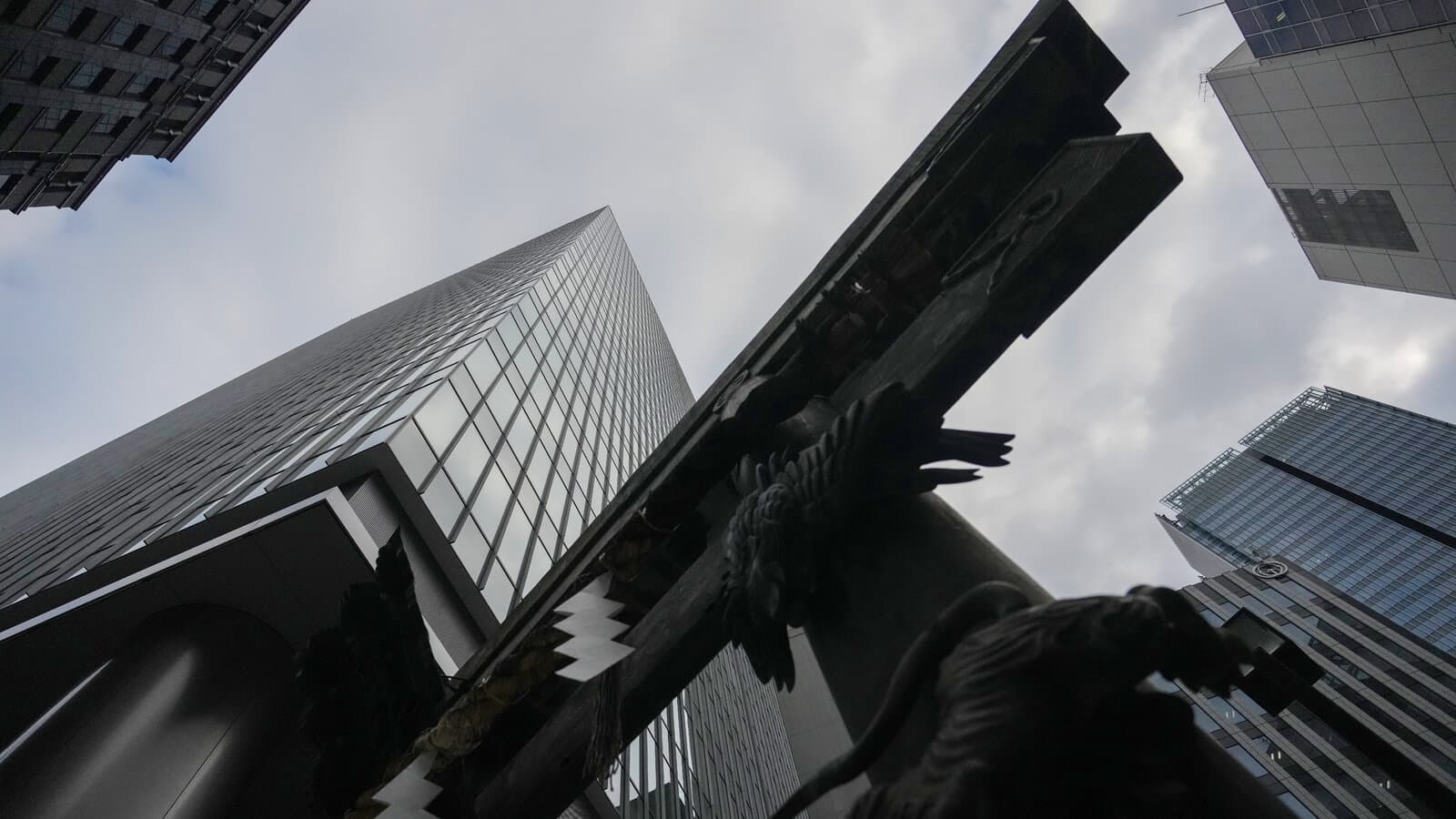
A Russian military intelligence unit operating from a Tokyo high-rise has been hunting for high-tech equipment Russia needs for its war effort.
The case has landed as Japan moves to rebuild an intelligence system long seen as too weak for the threats it faces. On May 27, 2026, the Diet approved legislation creating a National Intelligence Council, chaired by the prime minister, and a National Intelligence Bureau to serve as its secretariat. The Takaichi administration is now closer to a broader package that includes anti-espionage legislation and discussion of a foreign intelligence agency.
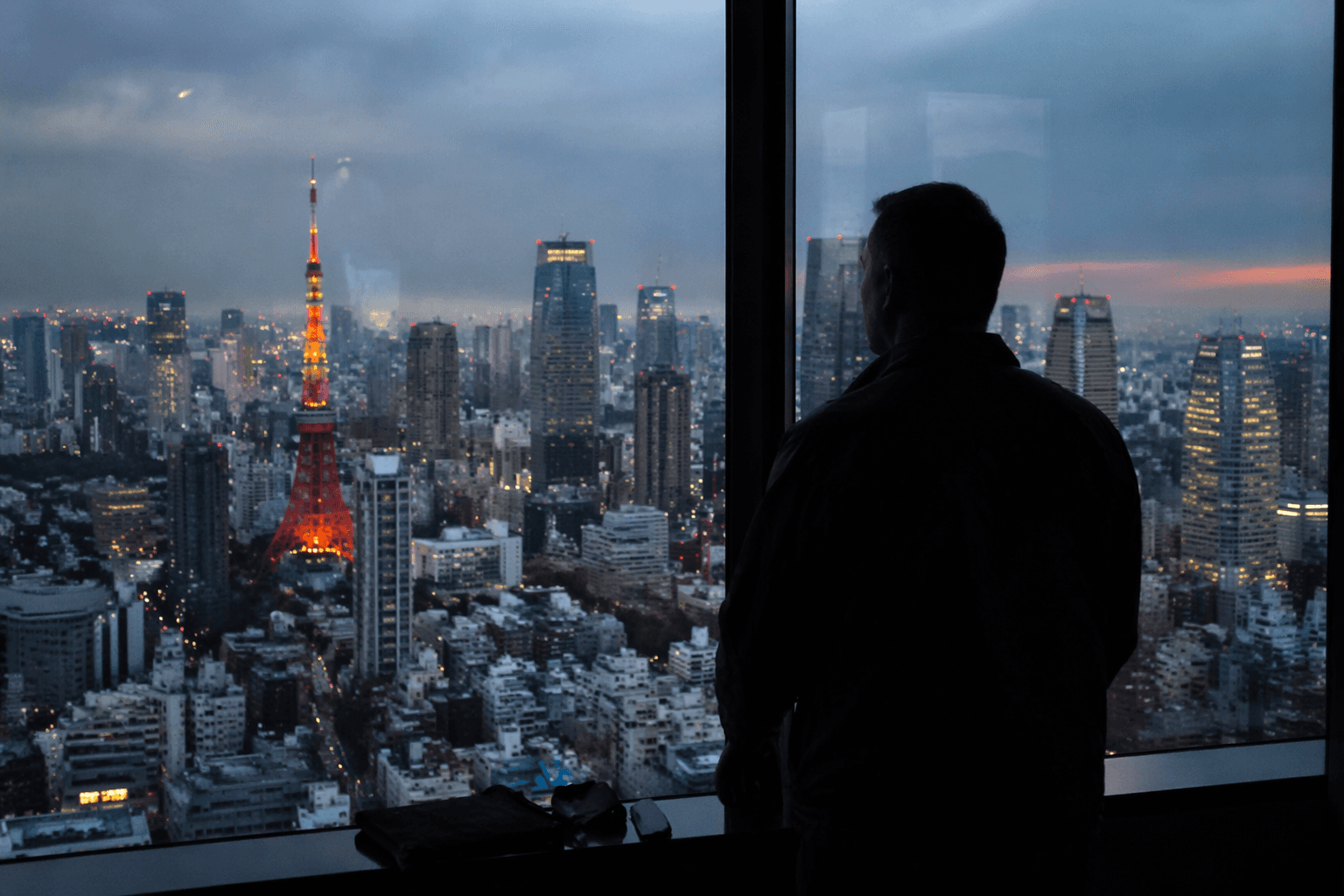
Japan’s vulnerabilities are not new. In 2013, the Liberal Democratic Party government adopted the Act on the Protection of Specially Designated Secrets and increased penalties for leaking designated secrets. Critics say the law still leaves Japan unable to punish or deter espionage with the force seen in many peer democracies, and security specialists call the country a “spy paradise” and a “weak link.”
Russia’s intelligence system is built for layered collection. Its main branches are the Federal Security Service, the Foreign Intelligence Service, and the GRU, each with different roles but overlapping interests in technology, logistics and military advantage. A GRU team working from central Tokyo fits that structure: it can sit inside a commercial hub while trying to identify dual-use equipment, industrial know-how and sensitive supply chains that can support Moscow’s war.
Since the 2022 invasion of Ukraine, Western officials blame Russia for 145 cases of sabotage and disruption, AP tracking shows. European intelligence and law-enforcement agencies have warned of sabotage, cyber activity and influence operations designed to pressure governments without crossing into open war.
Leaked Russian military documents in late 2024 contained target lists with more than 160 sites in Japan and South Korea for a hypothetical conflict.
This article was produced by Prism’s automated news system from verified source data, official records, and press releases, then run through automated quality and moderation checks before publishing. The system is built and supervised by the people who set the standards it runs under. Read our full AI policy.
Did this article answer your question?