Ruto defends U.S.-funded Ebola quarantine site amid Kenyan protests
Kenya is under pressure to host a 50-bed Ebola isolation unit for exposed Americans, even as courts halt the plan and protests in Nanyuki turn deadly.
William Ruto defended a U.S.-backed Ebola quarantine site in Kenya as his government faced mounting criticism over a plan that has become a test of sovereignty, public trust and outbreak readiness. Speaking during a state visit to South Africa, Ruto said Kenya was right to allow the project to proceed because the Americans were funding it themselves, even as courts had already ordered work suspended and protests in Laikipia County had turned deadly.
The facility is planned for Laikipia Air Base, where the United States is building a 50-bed unit for Americans who may have been exposed to Ebola in the Democratic Republic of the Congo or Uganda. The debate has sharpened because the outbreak, which the World Health Organization said was declared on May 15 and later classed as a Public Health Emergency of International Concern, involves the Bundibugyo strain, a form for which WHO says there is no vaccine or specific treatment. WHO said on May 29 that the outbreak had produced 134 confirmed cases across both countries, including nine in Uganda, and 18 deaths among confirmed cases.
The Kenyan High Court first suspended the plan on May 28 and then extended the block on June 2, barring the government from establishing any Ebola quarantine, isolation or treatment facility in Kenya. The court also ordered disclosure of the agreement with Washington, along with health and biosafety assessments, regulatory approvals and operational protocols. The next hearing is set for June 23.
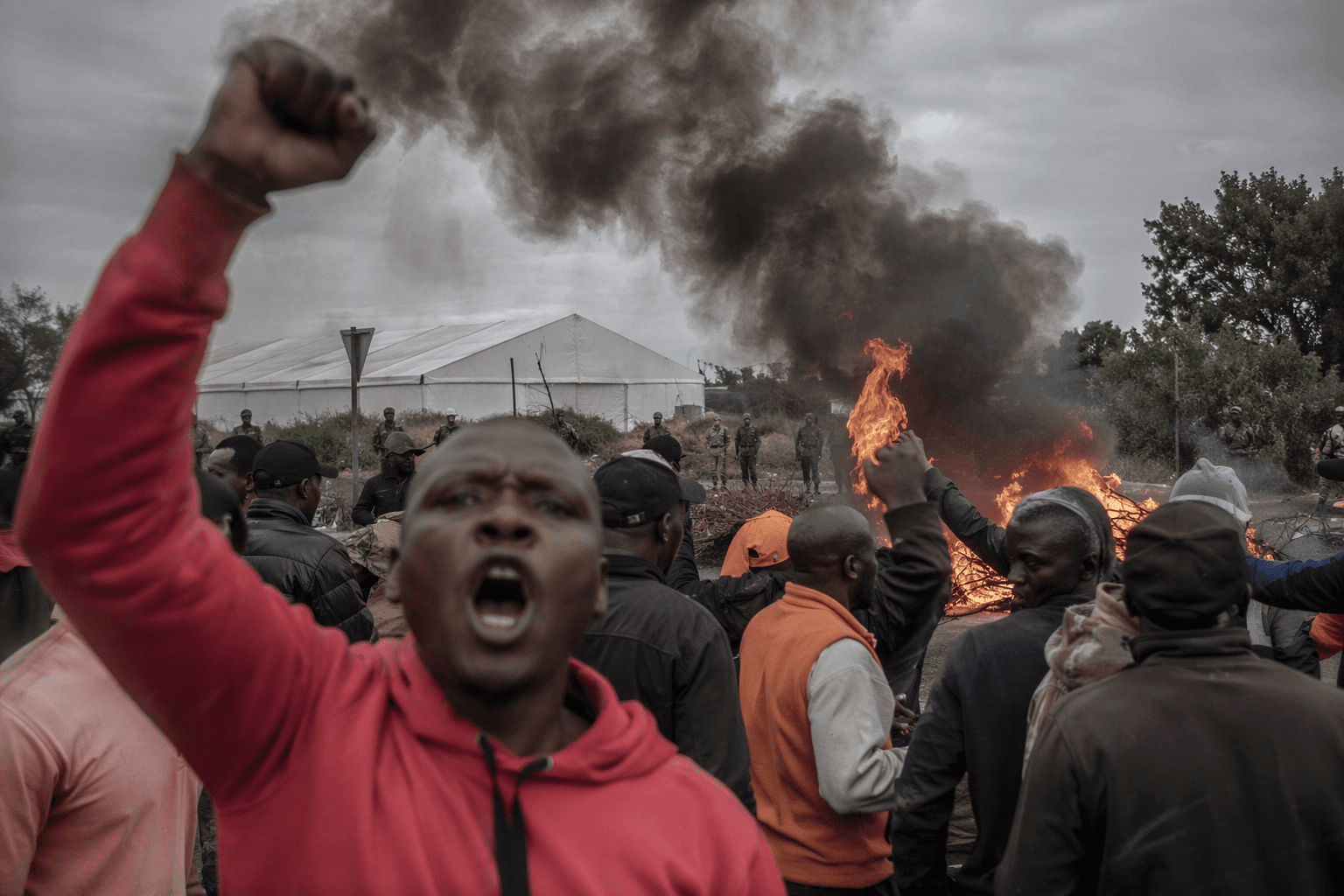
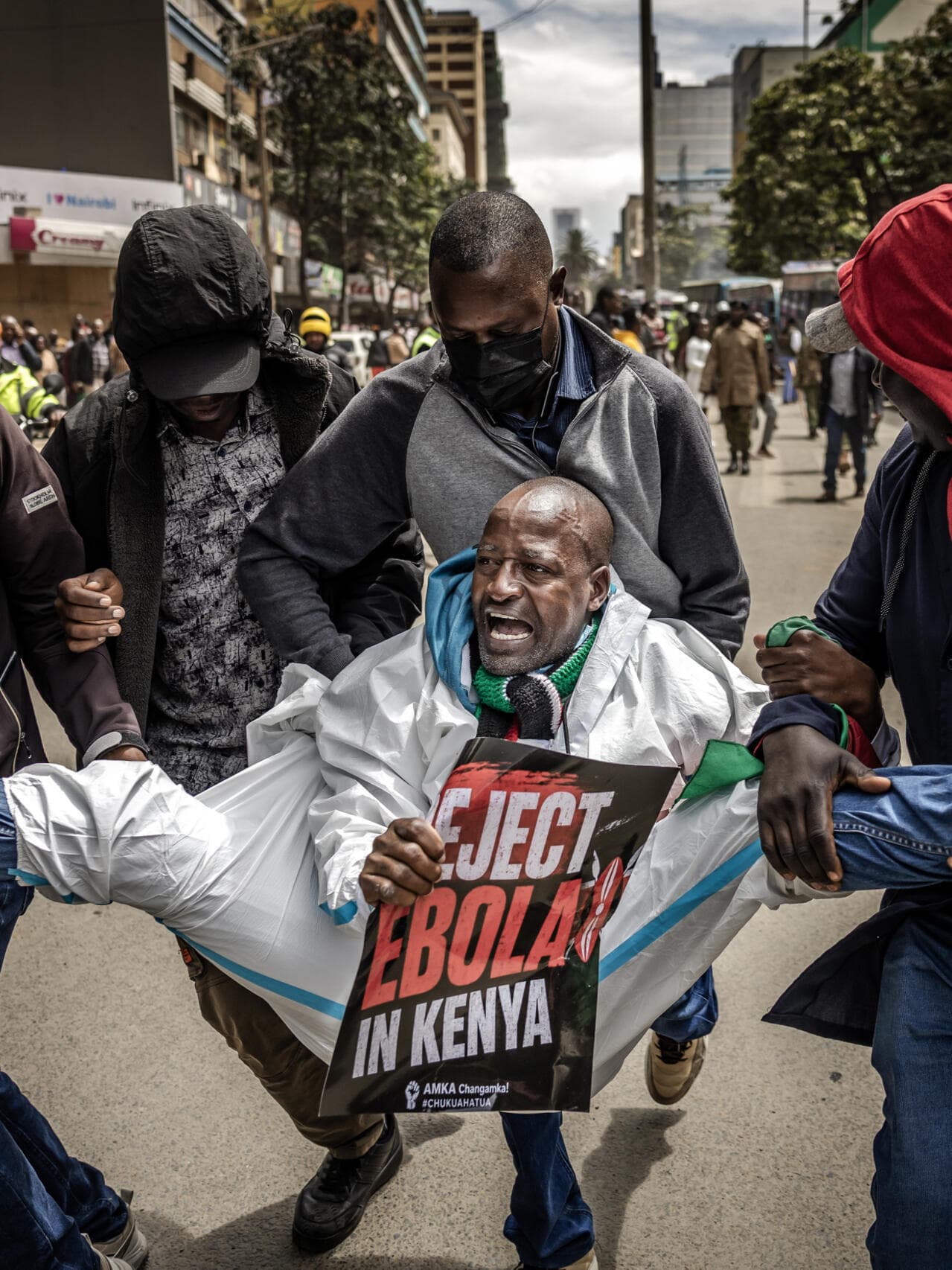
The legal fight has been matched by public anger on the ground. Hundreds protested in Nanyuki on June 1, and Reuters reported that at least two people were killed in the unrest. Local residents have questioned why Kenya should host a quarantine center for foreign citizens, while critics have framed the arrangement as an attempt to shift biosecurity risk onto African soil.
Despite the court order, construction activity continued at the air base. Satellite imagery seen by Reuters showed roughly 11 acres had been cleared by May 27, and by June 4 the site had white tents linked together, tarmac, earth-moving equipment and other vehicles. Flight data showed about 20 flights carrying medical equipment and specialist staff had landed there.
The urgency around the plan stems from the wider outbreak in central Africa. WHO said transmission was concentrated in Ituri, North Kivu and South Kivu in the Congo, where insecurity and weak contact tracing have complicated the response. On June 4, the Centers for Disease Control and Prevention said it was responding to the outbreak in remote parts of the Congo and Uganda and that the risk to the American public remained low.
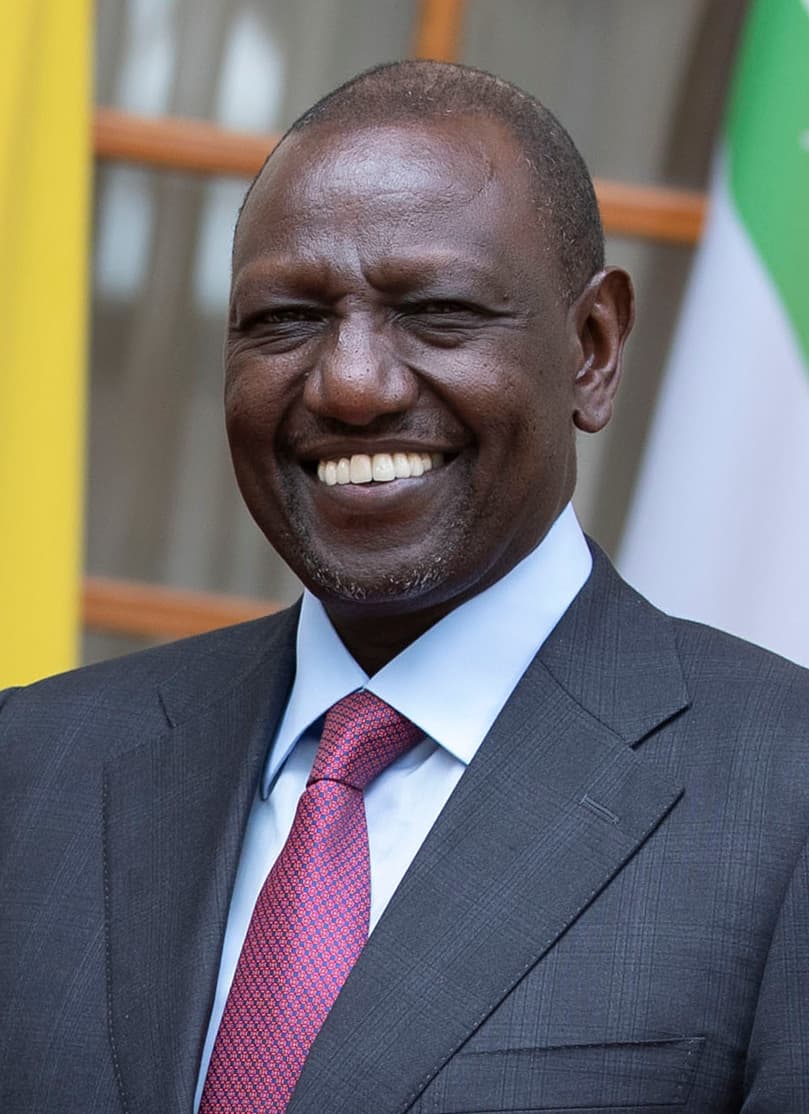
For Ruto, the issue is no longer only about Ebola preparedness. It now cuts into questions of who bears the burden of global health security, how far partners can go in helping one another, and whether Kenya can reassure its own citizens while hosting a facility meant to protect foreigners.
This article was produced by Prism’s automated news system from verified source data, official records, and press releases, then run through automated quality and moderation checks before publishing. The system is built and supervised by the people who set the standards it runs under. Read our full AI policy.
Know something we missed? Have a correction or additional information?
Submit a Tip

