Rwanda Says U.S. Accord Could Advance Peace In Eastern Congo
Rwanda told diplomats the U.S. brokered accord to be signed by leaders of the United States, Rwanda and the Democratic Republic of Congo could help stabilize the violence wracking eastern Congo, but warned that implementation on the ground will determine its success. The pact aims to tackle cross border security, disarm armed groups, and open cooperation channels, steps that could ease humanitarian suffering and reduce strategic commodity risk for global markets.

Rwanda’s foreign minister said on December 3 that a U.S. brokered agreement slated for signature by the leaders of the United States, Rwanda and the Democratic Republic of Congo could mark a step toward stabilizing eastern Congo, even as diplomats acknowledged persistent concerns about recent clashes and alleged violations. The accord, negotiated amid mounting regional pressure, is intended to address cross border security problems, disarm and demobilize armed groups, and create formal mechanisms for cooperation and verification.
Kigali described the planned signing as a potentially important step while urging sustained diplomatic follow through to convert commitments on paper into changes on the ground. The meeting and expected signatures were presented by organizers as part of a broader international push to reduce regional tensions and protect civilians in conflict affected provinces in eastern Congo, where cyclical violence has driven displacement and undermined local economies.
Analysts say the political compact has economic as well as security stakes. Eastern Congo is a key source of minerals vital to the global technology and clean energy transitions, supplying a dominant share of global cobalt output and significant volumes of copper, tin and tantalum. Persistent insecurity increases the risk premium facing miners and traders, drives smuggling, and deters formal investment in both extraction and downstream processing. A credible path to stability could lower operational risk, encourage capital inflows and reduce price volatility for firms reliant on these inputs.
Market implications will depend on verification, enforcement and the speed of implementation. Investors and commodity traders are likely to monitor the accord for concrete measures such as joint border patrols, transparent incident reporting, and third party monitoring. Absent robust verification, ceasefires and commitments have in past cycles broken down, eroding trust and prolonging humanitarian crisis. Conversely, sustained progress could unlock rehabilitation of roads and logistics that would increase legal trade and formal employment in mining related sectors.
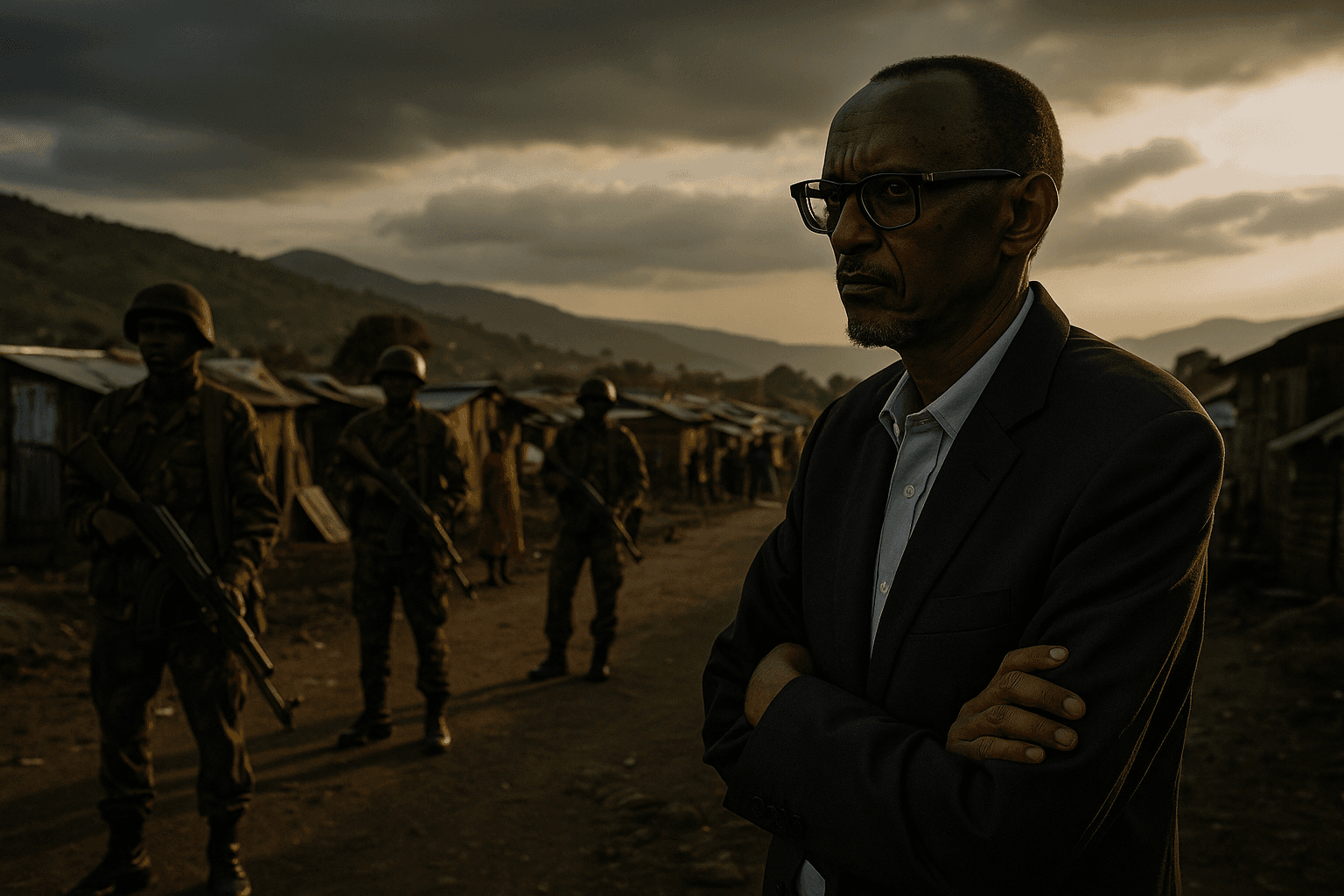
Policy challenges are substantial. Effective disarmament requires dismantling a complex web of dozens of armed groups, addressing illicit financing networks, and offering viable reintegration for combatants. Regional cooperation must manage competing national security priorities while insulating humanitarian operations from political interference. International actors involved in brokering the accord will face pressure to combine diplomatic guarantees with targeted development assistance, scaled humanitarian funding, and technical support for security sector reform.
Long term stabilization will also hinge on economic measures that address root causes of conflict, including governance deficits, land tenure disputes and limited access to markets and services. If the accord moves beyond symbolism to deliver measurable reductions in violence and new channels for investment, it could reshape both security and economic trajectories in eastern Congo, with consequences for regional stability and global supply chains. For now pragmatic observers and relief agencies say they will judge success by what happens on the ground in the weeks and months after the signatures.
This article was produced by Prism’s automated news system from verified source data, official records, and press releases, then run through automated quality and moderation checks before publishing. The system is built and supervised by the people who set the standards it runs under. Read our full AI policy.
Did this article answer your question?


