Sam Altman’s lawyer who beat Musk before leads OpenAI defense
Sam Altman has turned to the Wachtell partner who helped force Musk to buy Twitter, signaling OpenAI will fight on Musk’s own legal turf.
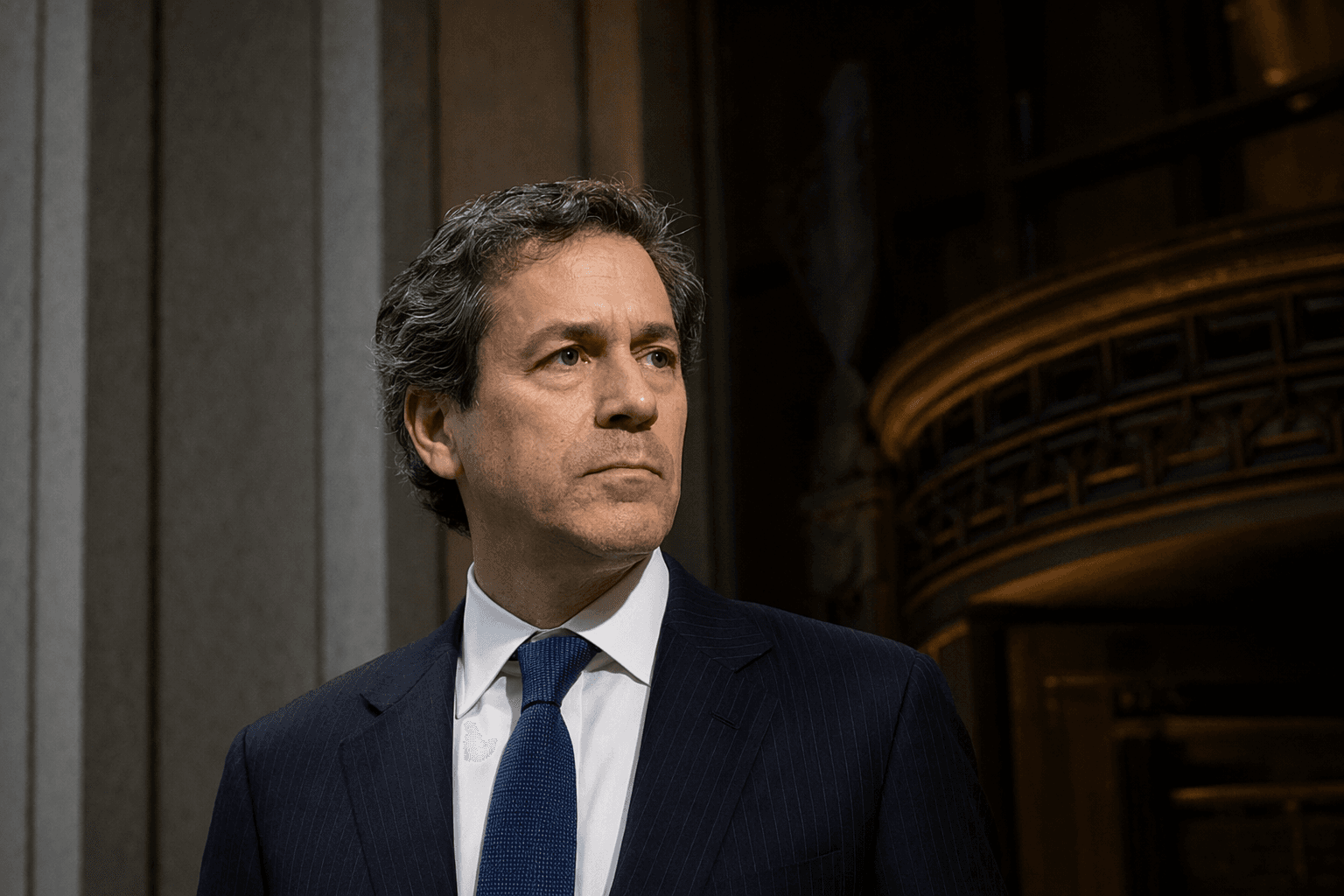
William Savitt, a Wachtell, Lipton, Rosen & Katz partner who once worked as a cab driver and rock band singer, is now leading Sam Altman’s defense in Elon Musk’s bid to break OpenAI apart. The choice matters because Savitt has already beaten Musk in a fight with far larger financial stakes than a courtroom skirmish, and the strategy now unfolding in Oakland suggests OpenAI intends to meet Musk with the same kind of hard-edged litigation that once pushed him toward a $44 billion deal.
Savitt represented Twitter in 2022 when Musk tried to walk away from his purchase agreement. That case moved fast after Delaware Court of Chancery Chancellor Kathaleen McCormick granted an expedited trial in July 2022, putting Musk under pressure and helping force the closing of the acquisition. For Altman, bringing back the lawyer who helped corner Musk before sends a clear message: OpenAI is not treating this as a personality feud, but as a battle over corporate control, fiduciary obligations and whether Musk can rewrite the company’s legal identity after the fact.
The current trial began in federal court in Oakland, California, with jury selection on April 27, 2026. Musk took the stand the next day and continued testifying through at least April 30, 2026, as the case focused on his role in OpenAI’s founding, Microsoft’s investments and the company’s shift toward a for-profit structure. Musk sued OpenAI, Altman and Greg Brockman in 2024, claiming they betrayed a promise to keep the artificial intelligence lab a nonprofit serving humanity.
OpenAI’s lawyers have countered that Musk had earlier chances to object to Microsoft’s involvement and to OpenAI’s direction before filing suit. That line of attack is central to the defense: if Musk knew the company was evolving and said little at the time, then his current challenge looks less like a principled rescue of a nonprofit mission and more like an attempt to regain leverage over an AI company he no longer controls. The legal fight now reaches beyond OpenAI itself, testing how far founders can go in reshaping governance once a startup becomes a major commercial platform.
Savitt’s role gives that argument extra weight. A lawyer who once helped trap Musk inside a deal now stands at the front of Altman’s defense, in a case that could shape how future AI companies balance nonprofit claims, investor power and the rights of founders who change their minds after the money is on the table.
This article was produced by Prism’s automated news system from verified source data, official records, and press releases, then run through automated quality and moderation checks before publishing. The system is built and supervised by the people who set the standards it runs under. Read our full AI policy.
Did this article answer your question?

