Samin Nosrat’s One-Pot Ricotta Mac and Cheese Uses Starchy Water
Samin Nosrat’s new cookbook offers a one-pot ricotta mac and cheese that uses starchy pasta water to emulsify a silky sauce, making weeknight pasta faster and more forgiving.
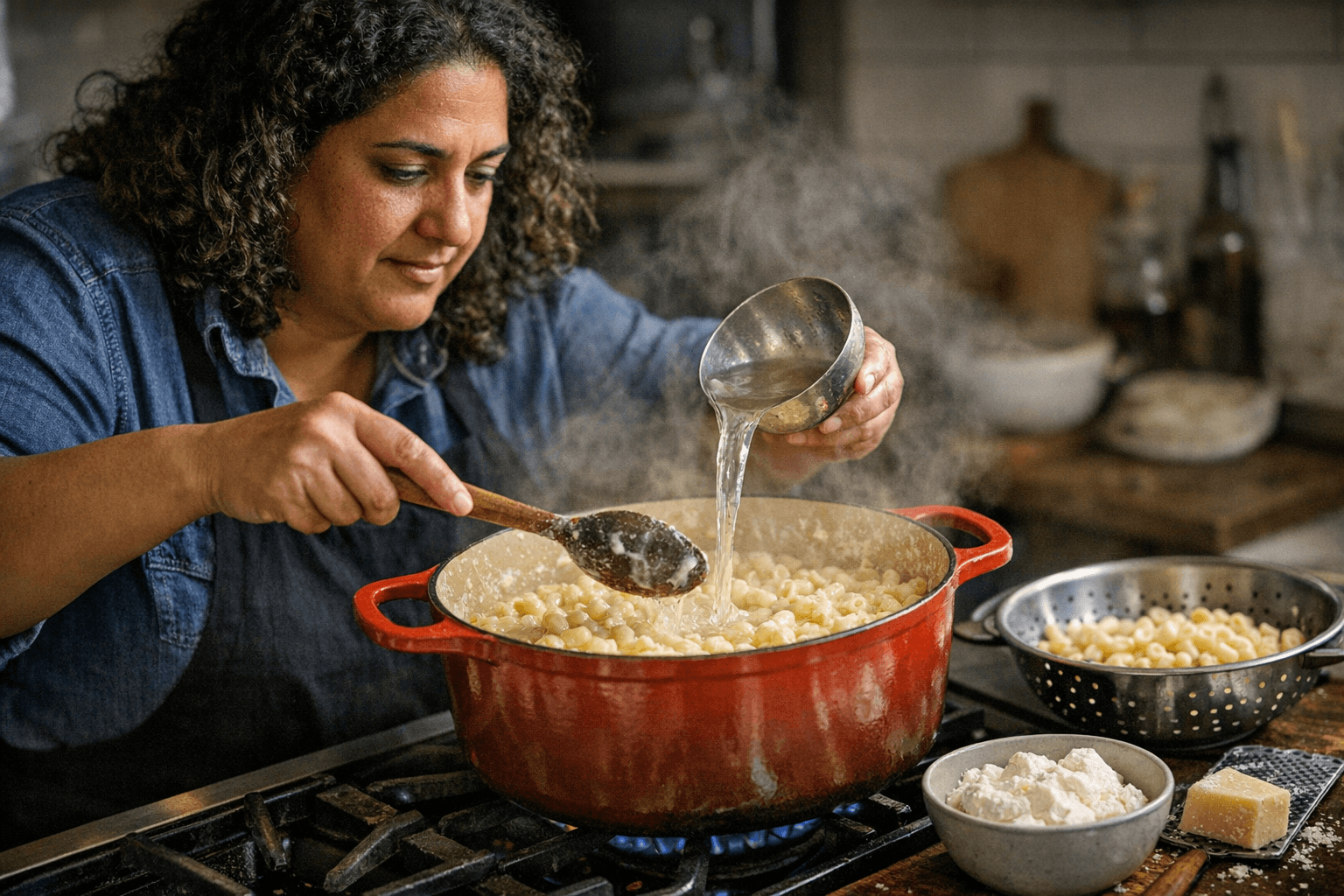
Samin Nosrat’s riff on mac and cheese swaps a béchamel for a simple emulsification of ricotta, grated hard cheese and starchy pasta water, delivering a creamy, one-pot pasta that is fast and flexible for home cooks. The recipe, published in her new cookbook released January 17, 2026, leans on short pasta shapes and a little kitchen technique to turn pantry staples into a sauce that clings.
The method is straightforward: cook short pasta like penne or rigatoni in salted water, reserve some of the cloudy, starchy cooking water, and use that liquid to coax ricotta and grated hard cheese into a shiny, emulsified coating. Salted pasta water pulls double duty as seasoning and an emulsifier; the starch helps bind fat from the cheese to the water, producing sauce without the fuss of a roux or béchamel. The cookbook includes a one-pot ricotta-and-peas version that folds in frozen or fresh peas and other small vegetables for color and snap.
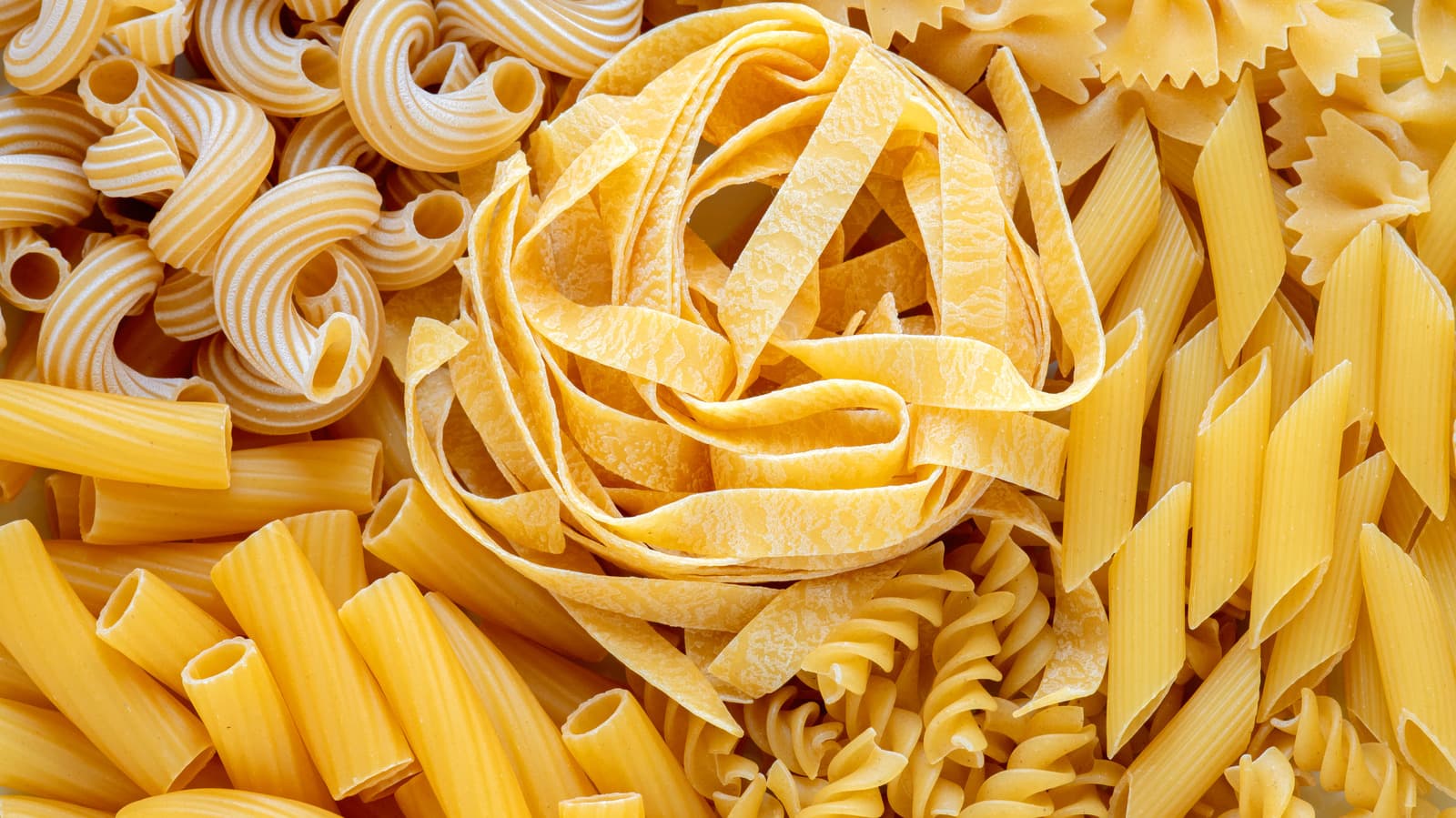
For community cooks managing weeknight schedules, this approach matters because it shortens steps and cleanup while preserving depth of flavor. You skip the multi-step béchamel but keep the mouthfeel that makes mac and cheese comforting. Short pasta shapes are recommended because their nooks and ridges catch that ricotta-cheese emulsification, so your bite isn’t just pasta but pasta with sauce. Add-ins such as peas, blanched greens, or quick-sautéed mushrooms keep the dish adaptable and help turn a side into a main.
Technique tips are central to success. Keep a cup of pasta water on hand and add it gradually as you stir ricotta and cheese into the pot; the goal is a satiny texture rather than a thin broth. Salt the water well at the start so the pasta absorbs seasoning as it cooks. Use freshly grated hard cheese for better melting and flavor lift. Because everything happens in one pot, timing matters: add quick-cooking vegetables toward the end so they stay bright and tender.
This recipe nudges home cooks toward a practical, forgiving pasta habit: rely on starch, not extra steps, to get sauce that clings. For community tables, it’s an easy weeknight lifeline and a good canvas for seasonal vegetables and pantry cheeses. Expect more riffs on this theme to circulate in kitchens as cooks trade tips on starch level, cheese blends, and short pasta favorites.
Know something we missed? Have a correction or additional information?
Submit a Tip