Samsung labor split deepens as unions break wage bargaining front
A Samsung union representing device workers broke from a joint wage front, just as an 18-day strike plan and a 30 trillion won loss warning raised the stakes.
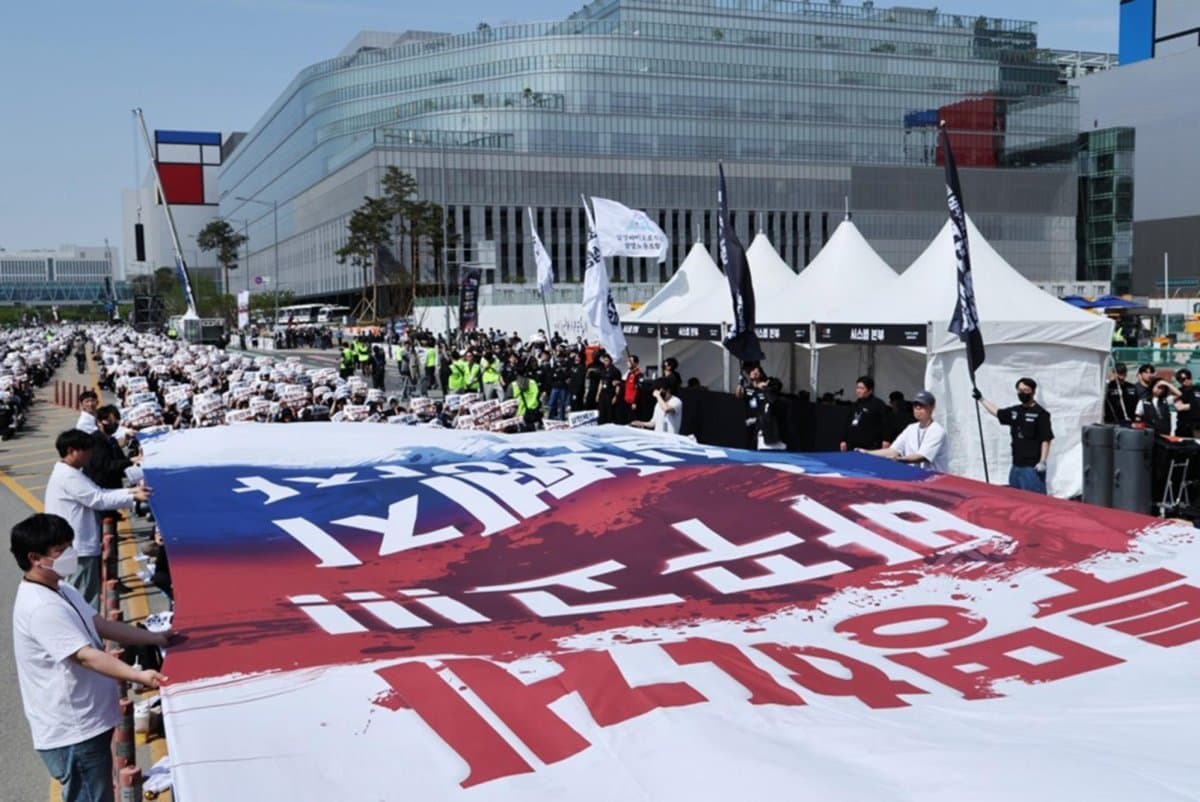
Samsung Electronics’ labor fight widened as one of its biggest union blocs broke ranks, a split that could weaken worker leverage just as the company faces an 18-day strike window and a potential shutdown of one of South Korea’s most important industrial engines.
Samsung Electronics Union Donghaeng, which is led mainly by workers in the Device eXperience division, sent a letter to two other unions saying it was leaving the 2026 joint wage bargaining group. The three unions had formed a united front in November, then reorganized as a joint struggle headquarters after talks with management stalled. The split leaves the Samsung Group United Union Samsung Electronics branch, the National Samsung Electronics Union and Donghaeng no longer aligned behind a single bargaining line.
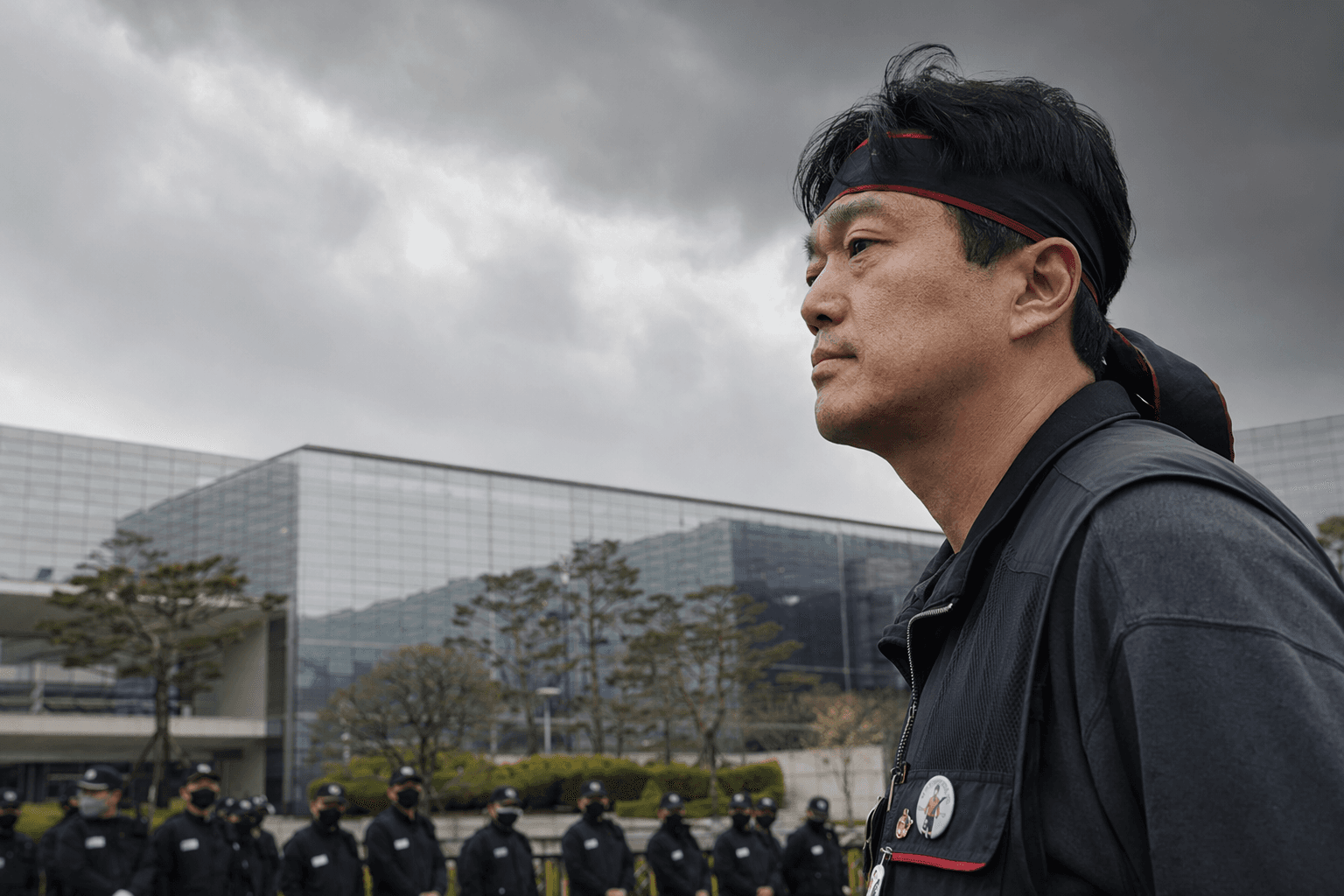
The timing is critical. Samsung’s unions won the legal right to strike after a March 9-18 vote in which 93.1 percent of participating members backed industrial action, with about 66,019 of roughly 89,874 members taking part. The planned general strike is set for May 21 to June 7, and labor leaders have said it would be only the second strike in Samsung Electronics’ history and the first in nearly two years, following a 25-day walkout in 2024.
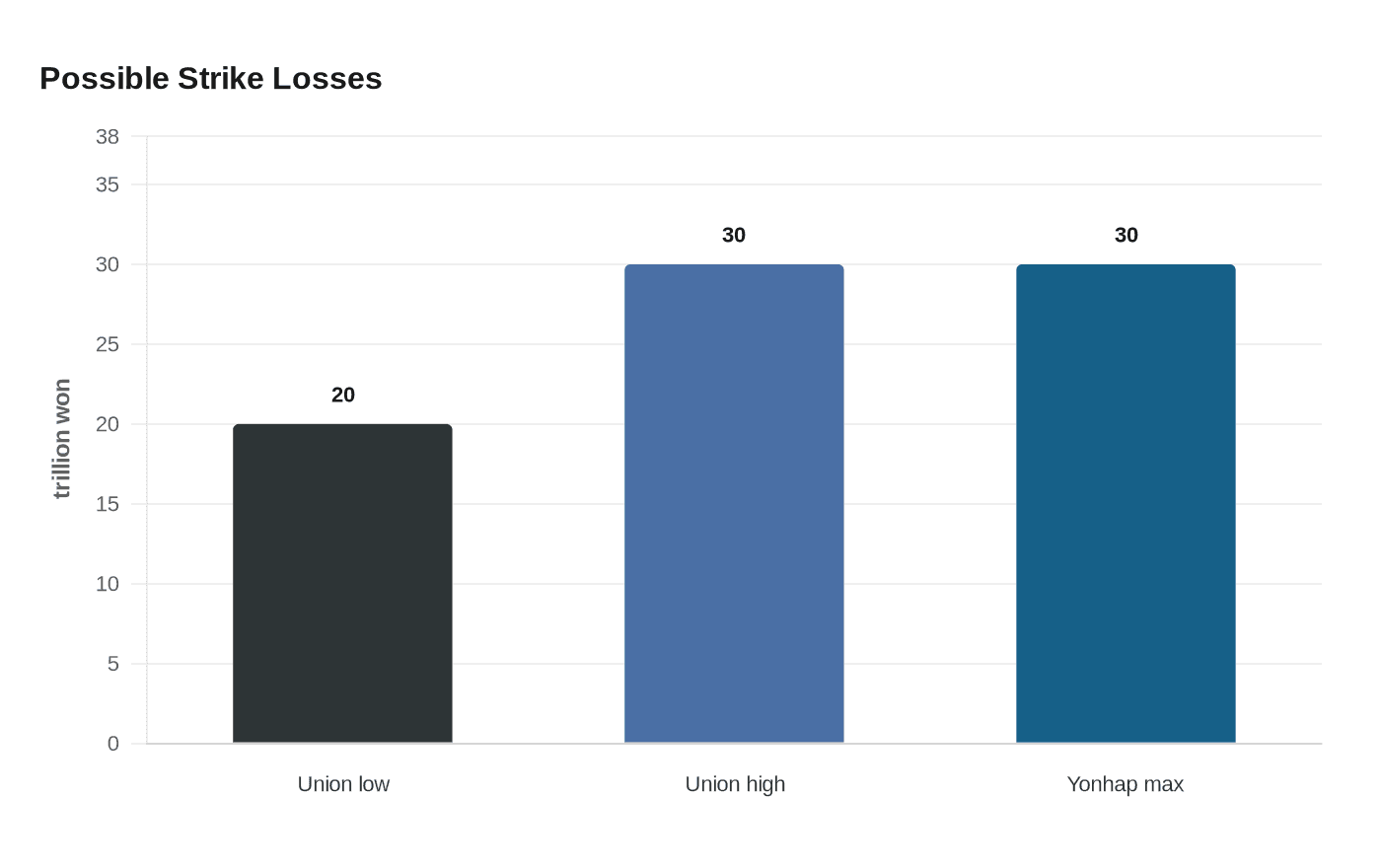
The dispute has been driven by a familiar but hard-fought set of demands: removal of the cap on performance-based bonuses, greater transparency in how those bonuses are calculated, and in one union’s case, a 7 percent wage increase. Union leaders have warned the company could lose 20 trillion to 30 trillion won if the strike goes ahead, while Yonhap reported the warning of up to 30 trillion won in profit losses. That kind of estimate matters not just as a threat to Samsung’s bottom line, but as a signal of how deeply labor unrest at a chipmaker and device producer can ripple through production, deliveries and investor confidence.
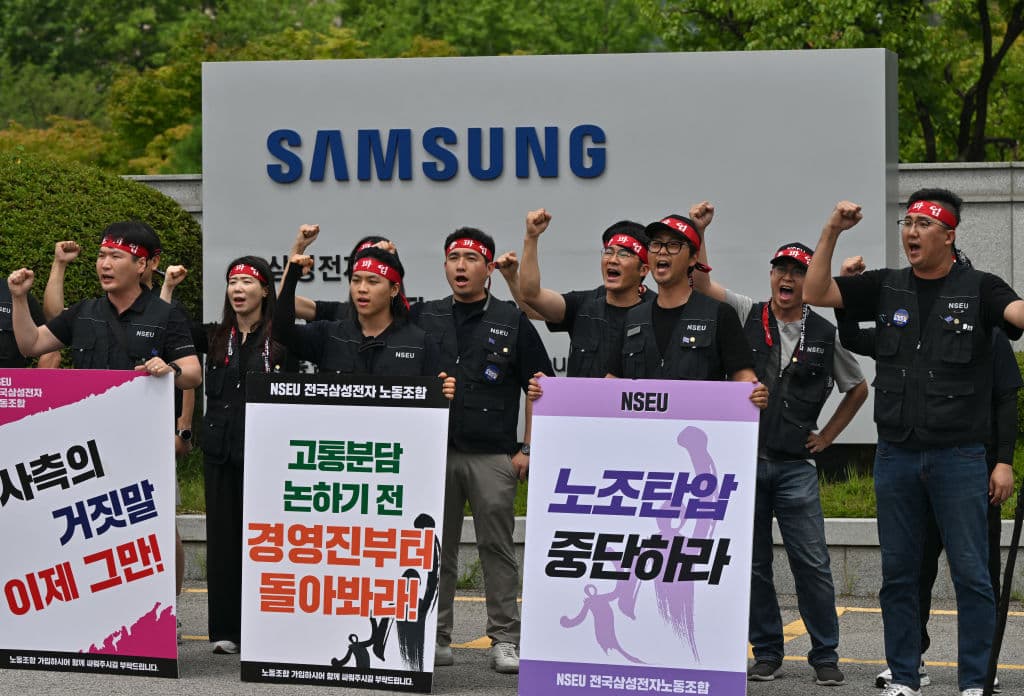
Negotiations collapsed in early March after mediation at the National Labor Relations Commission failed, though Samsung later resumed talks after a meeting with Vice Chairman and CEO Jun Young-hyun. Management has said it would do its best to reach an amicable conclusion, but the renewed dialogue has not removed the strike threat.
The next key test comes before the strike window opens. The Suwon District Court is expected to rule between May 13 and May 20 on Samsung’s injunction request, a decision that could shape the balance of pressure heading into the walkout deadline. For Samsung, founded on January 13, 1969, the labor clash is no longer just about pay formulas. It is becoming a test of whether worker organizing can hold inside a global tech giant whose chips, devices and AI ambitions depend on stable output.
This article was produced by Prism’s automated news system from verified source data, official records, and press releases, then run through automated quality and moderation checks before publishing. The system is built and supervised by the people who set the standards it runs under. Read our full AI policy.
Did this article answer your question?