Samsung shares jump as labor union suspends planned strike
Samsung shares rose as much as 7.6% after a tentative wage deal paused an 18-day strike plan, easing pressure on a chip supply chain that reaches far beyond South Korea.
Samsung Electronics shares jumped more than 6% in Seoul after the company’s labor union suspended a planned 18-day strike, easing fears of disruption at South Korea’s largest company and one of the world’s most important chipmakers. The stock climbed as much as 7.6% as investors welcomed signs that a last-minute wage deal could keep production steady at a time when memory chips remain central to global electronics and artificial intelligence demand.
The union had prepared to walk out after earlier talks collapsed, but another round of negotiations led by Labor and Employment Minister Kim Young-hoon produced a tentative agreement late Wednesday. The National Samsung Electronics Union said members would vote on the deal from May 22 through May 27, leaving the dispute unresolved but removing the immediate threat of a work stoppage. An earlier union notice had briefly listed the voting window as May 23 to May 28 before it was corrected.
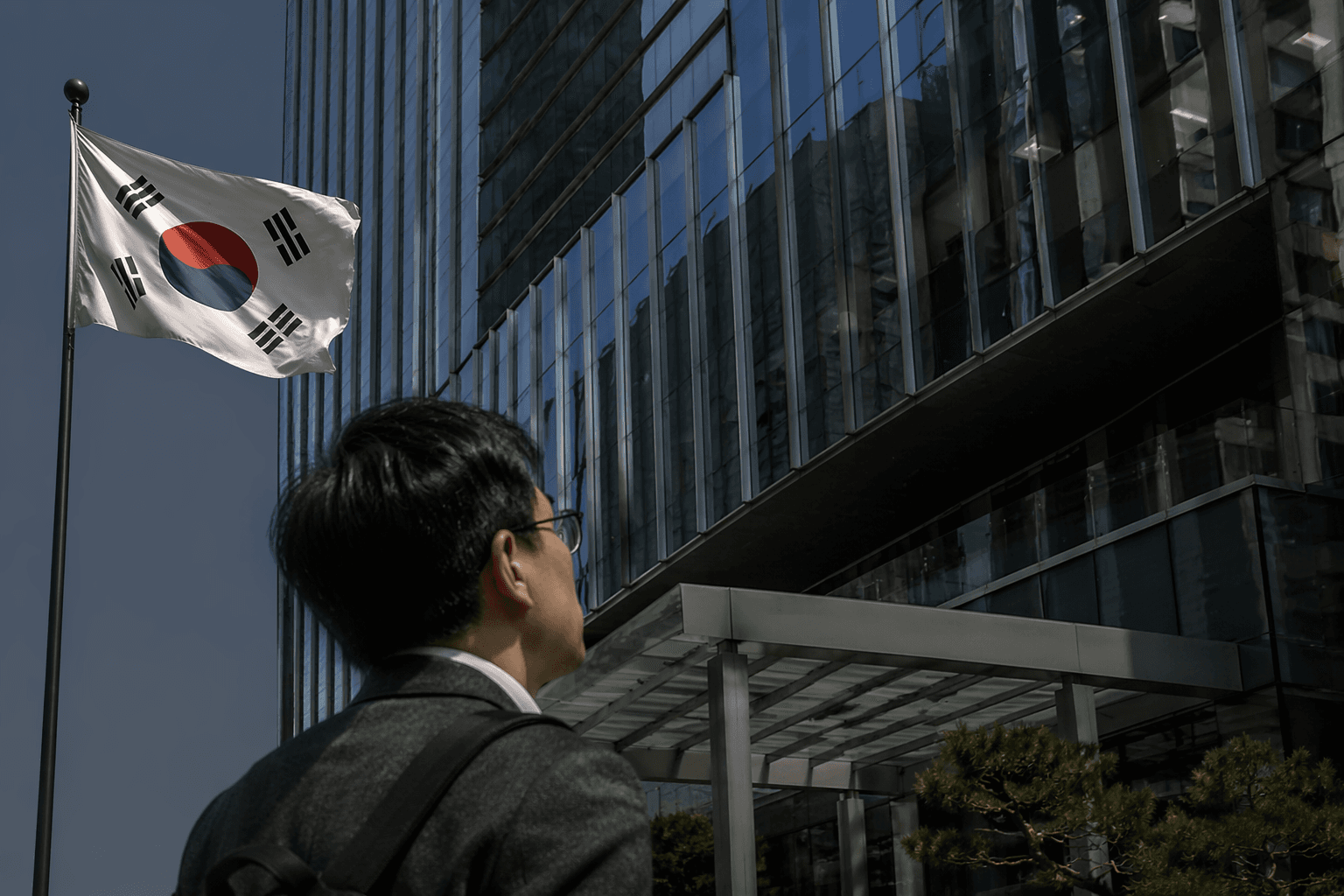
Nearly 48,000 union members were set to take part in the planned strike, equal to about 38% of Samsung Electronics’ workforce. That scale underscored why markets reacted so sharply. Samsung sits at the center of the global semiconductor supply chain, and the threat of an extended stoppage raised concerns about South Korea’s economy and about chip availability for customers worldwide, especially at the world’s largest memory-chip maker.
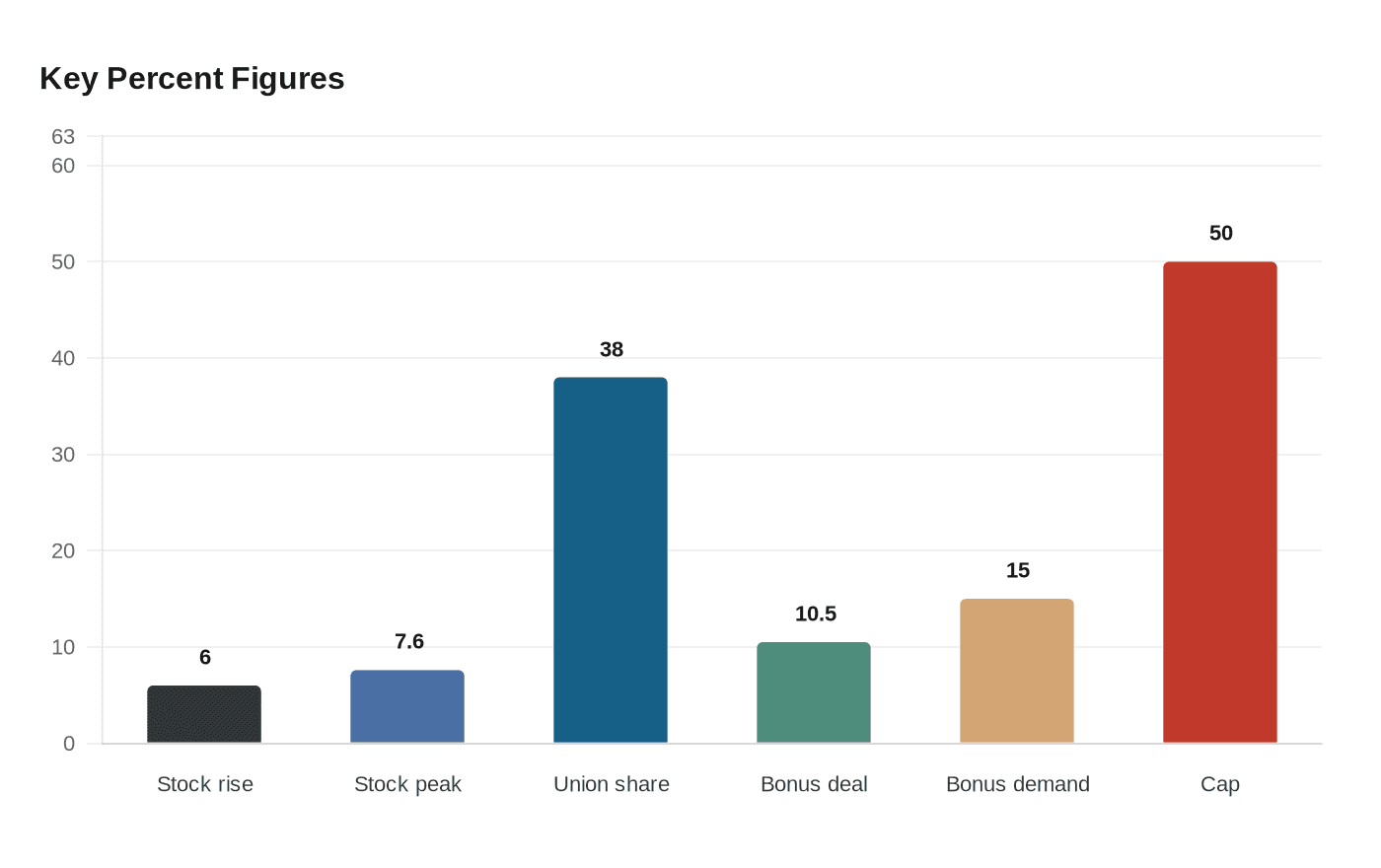
The tentative settlement also pointed to meaningful concessions on pay. Samsung agreed to allocate a special bonus equal to 10.5% of operating profits to its chip division and to link bonuses more directly to operating profits while abolishing a bonus cap. Earlier union demands had called for 15% of annual operating profit to go to bonuses and for a 50% cap to be scrapped entirely, showing how far apart the two sides had been before the compromise. Yonhap reported that the profitable chip unit would receive 40% of the total bonus pool, while the remainder would go to other business lines, with a tougher decision on bonuses at loss-making divisions postponed for a year.
Korean press reports said the tentative agreement was signed at the Ministry of Employment and Labor office in Suwon by Samsung management negotiator Yeo Myung-koo and union leader Choi Seung-ho. The deal came against a tense backdrop: Samsung workers staged the company’s first-ever strike in 2024, and the 2026 confrontation had been described as the worst strike threat in Samsung’s history. For a company benefiting from the AI-driven memory boom, the episode showed that labor relations have become a strategic issue as well as a wage dispute, with direct consequences for prices, production stability and the technology companies that depend on Samsung’s output.
Know something we missed? Have a correction or additional information?
Submit a Tip