Samsung warns memory shortage will worsen next year as AI demand surges
Phones, laptops and AI hardware are already feeling the squeeze as Samsung says the memory shortage will likely worsen next year and stretch into 2027.
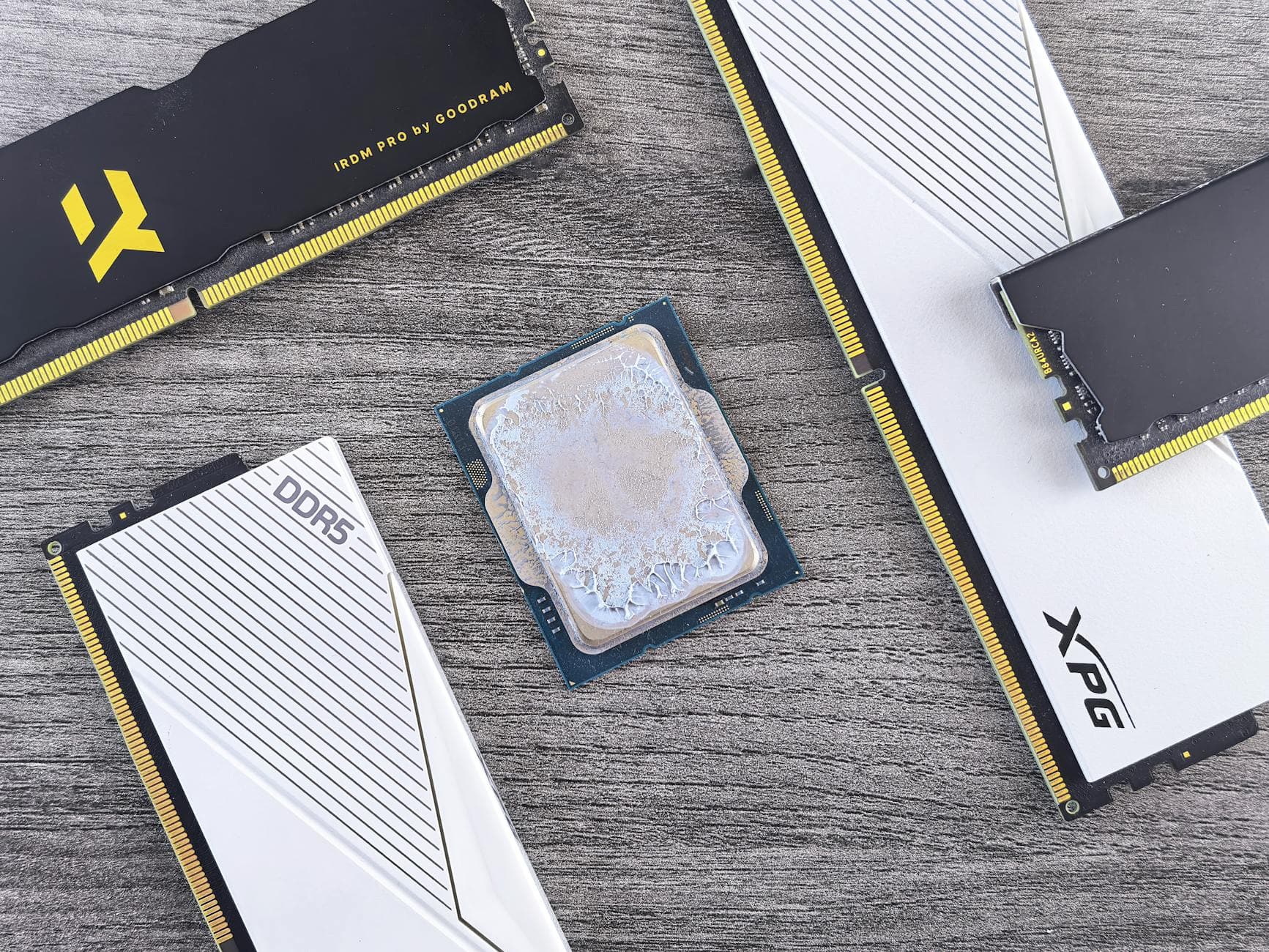
Higher prices for phones, laptops and gaming handhelds are no longer just a supply-chain nuisance. Samsung Electronics said the memory crunch driving up costs across consumer electronics and AI hardware was severe enough that it expected conditions to worsen next year, with customers already placing orders for 2027.
The warning matters because the strain is no longer limited to a few hot components. AI data-center operators have been buying advanced memory such as high-bandwidth memory for accelerators, tightening supply of conventional DRAM used in everyday devices. That leaves manufacturers of smartphones, PCs and other consumer products competing with deep-pocketed data-center buyers for the same limited capacity, a setup that can push prices higher and delay product launches if chip supply stays constrained.
Samsung delivered the warning during an earnings call as it posted record first-quarter 2026 results. Operating profit reached 57.2 trillion won, or $38.6 billion, on revenue of 133.9 trillion won, also a quarterly high. The company said its semiconductor division accounted for more than 93% of total profit, underscoring how much the chip business has carried the group. Chip income rose roughly 49-fold from a year earlier, a jump driven by the memory market’s tightest conditions in years.
Samsung said the shortage was being fueled by AI data-center demand and that it had already signed multi-year binding contracts with customers to secure supply. It did not disclose which customers were involved or give terms. The company’s message was clear: this is not a temporary lull between orders, but a demand cycle that is still accelerating, with buyers trying to lock up capacity well in advance.
For the broader market, that points to a structural problem rather than a brief disruption. Industry coverage has already shown memory makers raising prices and warning that the crunch could stretch into 2027. As the world’s top memory chipmaker by sales, Samsung’s outlook is likely to ripple through the electronics sector, where higher input costs can feed into retail prices long before shoppers see the first sign of relief.
This article was produced by Prism’s automated news system from verified source data, official records, and press releases, then run through automated quality and moderation checks before publishing. The system is built and supervised by the people who set the standards it runs under. Read our full AI policy.
Did this article answer your question?