San Francisco Supervisors Press Waymo Over Robotaxis Blocking Emergency Access During Blackout
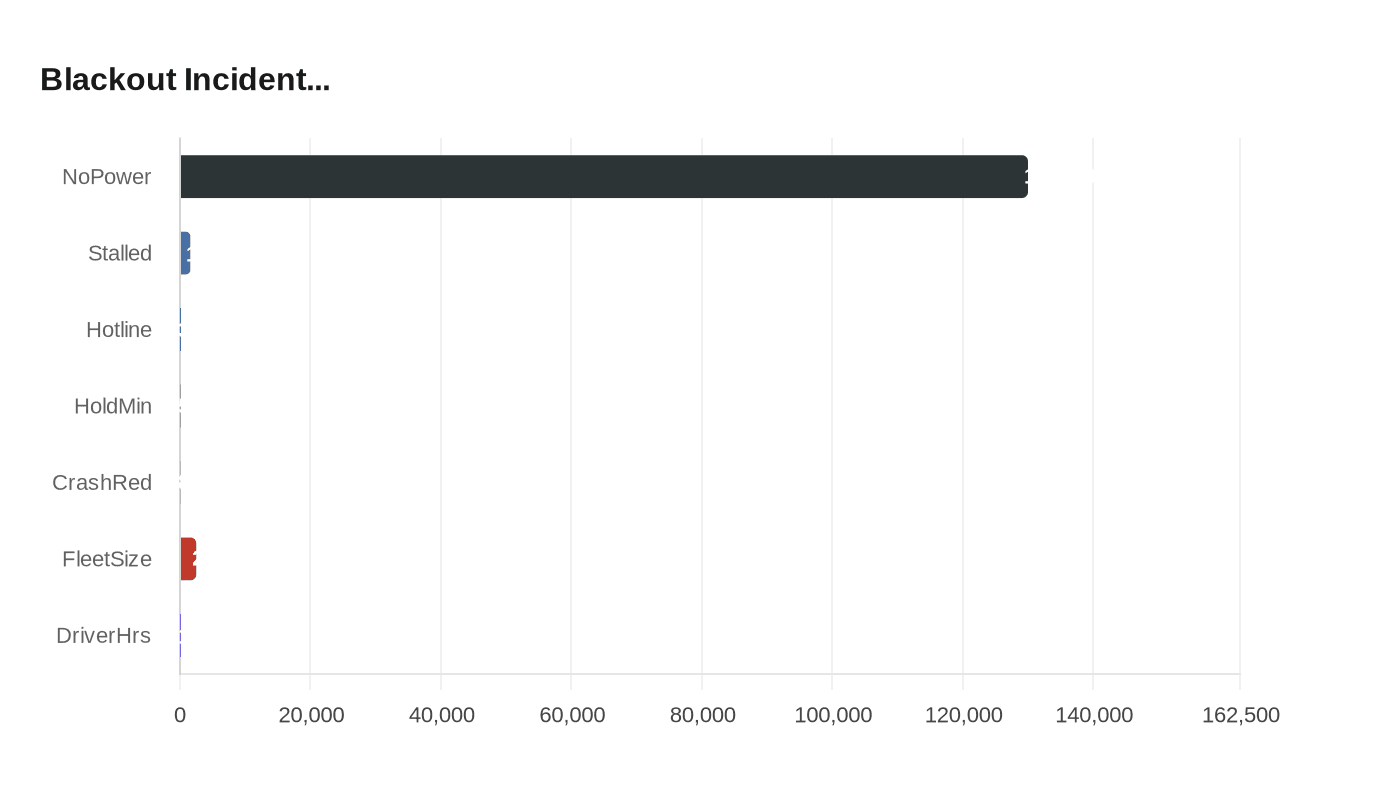
Waymo robotaxis lost communication during a PG&E substation fire blackout, with 63 cars reported stopped in intersections and a CPUC dataset cited at a hearing showing 1,593 stalled vehicles.
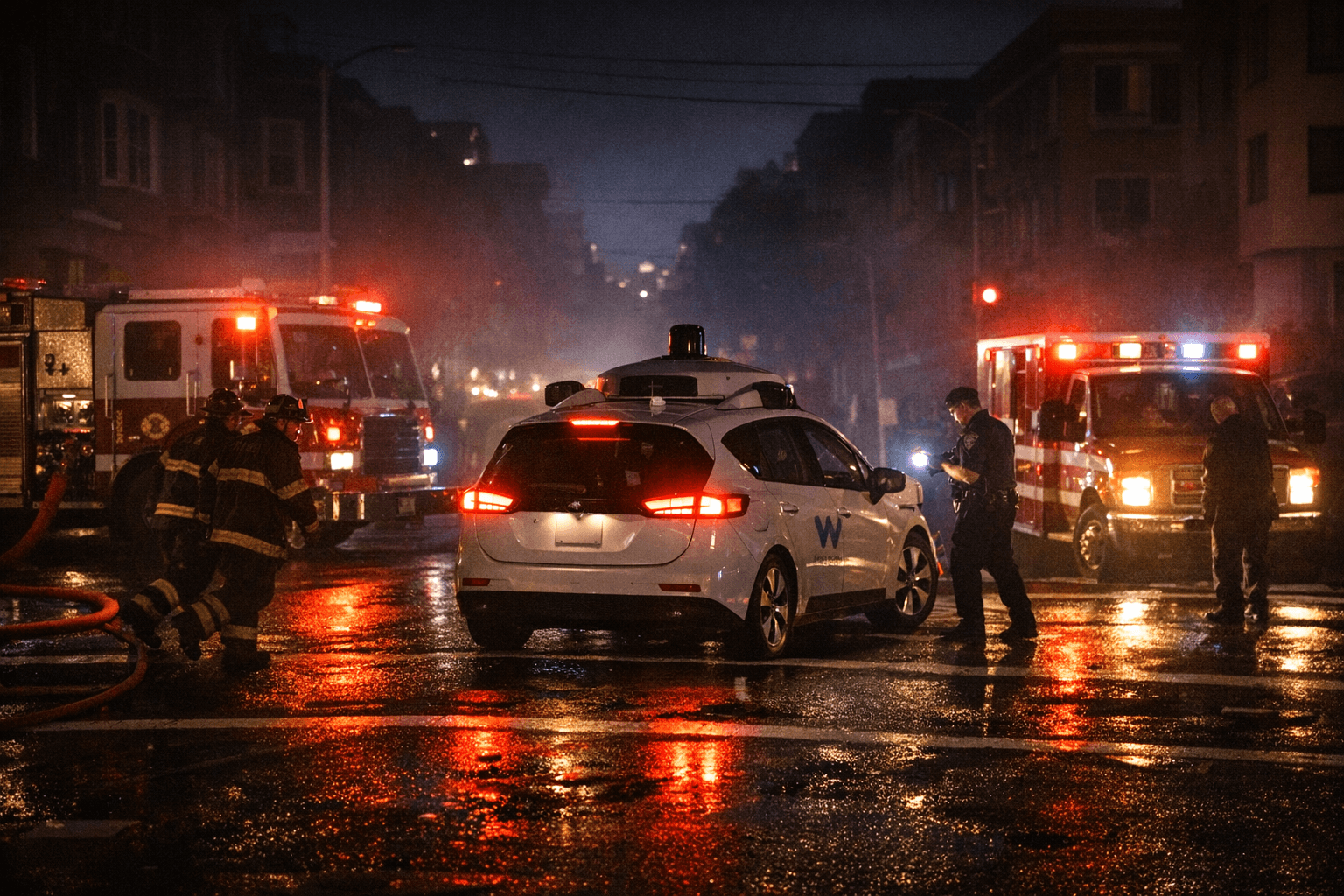
A PG&E substation fire knocked out power to roughly one-third of San Francisco, leaving about 130,000 residents without electricity and causing Waymo’s robotaxi fleet to lose communication with its home systems, pull over and, in dozens of cases, stall in intersections and alleys during the Dec. 20 outage. City officials say the loss of 5G cellular that night contributed to the failures, and Mayor London Breed reportedly called Waymo directly to get vehicles removed from service.
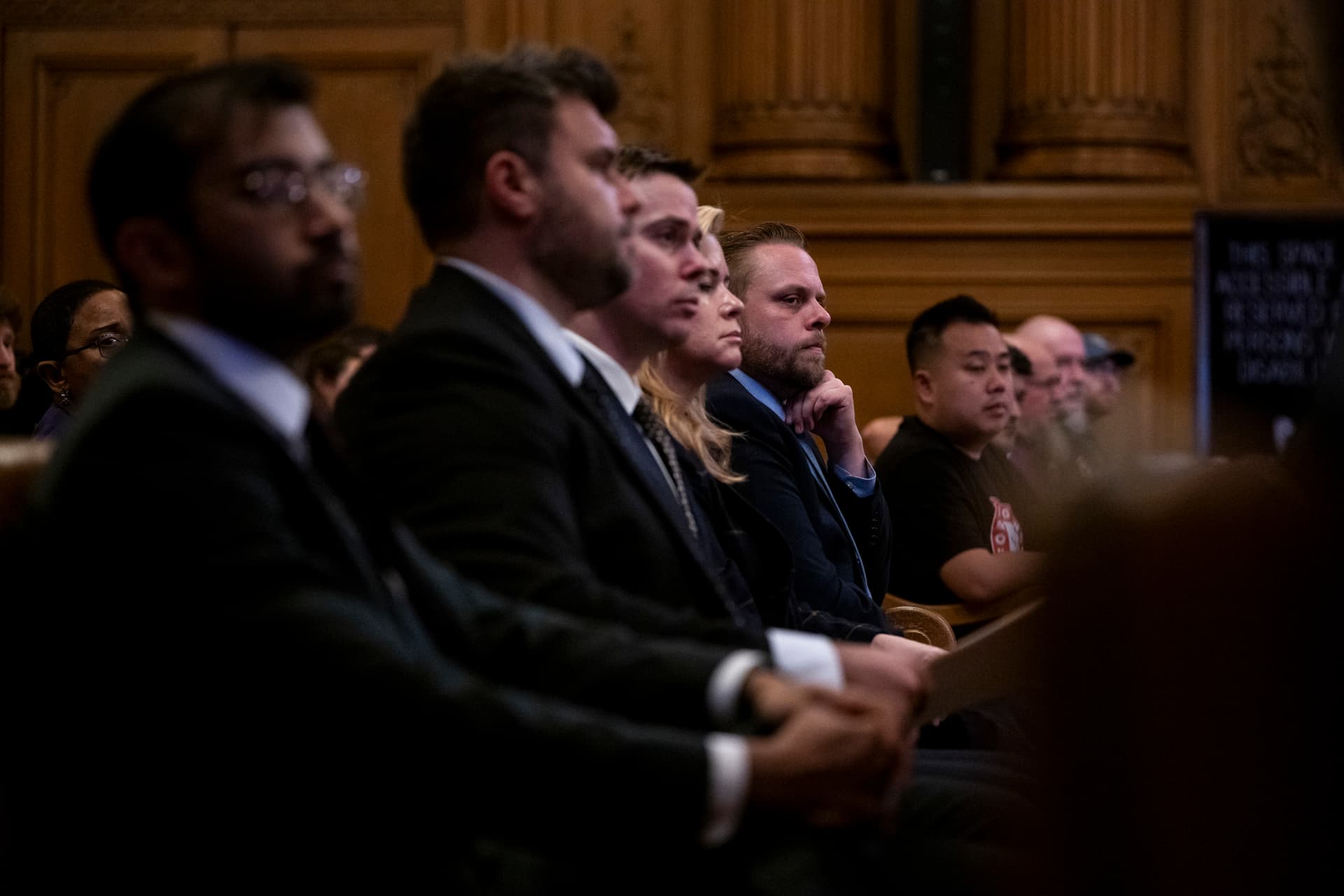
At a March 2 Land Use and Transportation Committee hearing, Supervisor Bilal Mahmood pressed Waymo on the scale and oversight of the incident and cited a California Public Utilities Commission dataset showing 1,593 stalled vehicles — a figure Waymo said it had not verified. Mahmood warned San Franciscans deserve answers and told company representatives they must explain reliance on remote operators outside the city, saying, “If we’re reliant in an emergency situation on operators in the Philippines to have to assess the condition here, how can you explain or justify that?” He also urged clarity on where remote-assist staff are located and how many are available.
Mary Ellen Carroll, executive director of the San Francisco Department of Emergency Management and a staffer at the city’s 911 dispatch center, told supervisors that dispatchers made 31 calls to Waymo’s first responder hotline and that at least one attempt waited 53 minutes on hold. Carroll said, “I definitely stay awake at night thinking about things that could happen and how do we integrate this new technology into our emergency response,” and described significant delays in connecting with company operators during the blackout.
Waymo’s incident response team acknowledged the communications gaps at the hearing. Sam Cooper, Waymo program manager for incident response, said, “I want to be very clear that Waymo takes full responsibility for the communication gaps that occurred that evening.” Chinmay Jain, Waymo director of product management, defended the company’s remote-assist model and said the location of remote assistants “had no implications” for the outage while describing “a very detailed analysis on the demand for such requests” and “dynamic systems where we can increase the supply of remote assistance accordingly.” Company representatives pledged fleet-wide software updates to provide vehicles with specific power outage context, refinements to confirmation protocols, and additional staffing for emergency calls but would not specify hiring numbers or training cadence. Waymo also reiterated a company safety claim of an 88% reduction in serious injury-or-worse crashes in San Francisco compared with human drivers and noted its broader fleet exceeds 2,500 vehicles across several U.S. markets.
Outside City Hall, union members and rideshare drivers pressed elected officials for stronger oversight. Teamster Peter Finn said, “We’re out here today to demand that our city and our state start putting people above robots.” Theresa Rutherford, president of SEIU 1021, warned that “there has to be proper oversight. There has to be proper checks and balances.” Rideshare drivers told the committee that autonomous vehicles have driven down fares; one driver said she now has to work 12 hours a day to make ends meet.
Supervisors pressed for verification of the CPUC figure, Waymo logs showing the number and location of stalled vehicles, and the company’s hotline call records. No city-level enforcement action or regulatory change was passed at the hearing; the session functioned as a fact-finding forum. Supervisors left the meeting demanding concrete timelines, detailed incident logs, and clearer local control options while San Francisco officials coordinate with state regulators and Waymo to prevent a repeat of the December blackout meltdown.
Know something we missed? Have a correction or additional information?
Submit a Tip