Saudi Arabia and Bahrain Summon Iraq Envoys Over Drone Attacks
Bahrain and Saudi Arabia pulled Iraq’s envoys in as drone attacks kept coming from Iraqi territory, exposing a shadow war that has already hit oil output and air defenses.
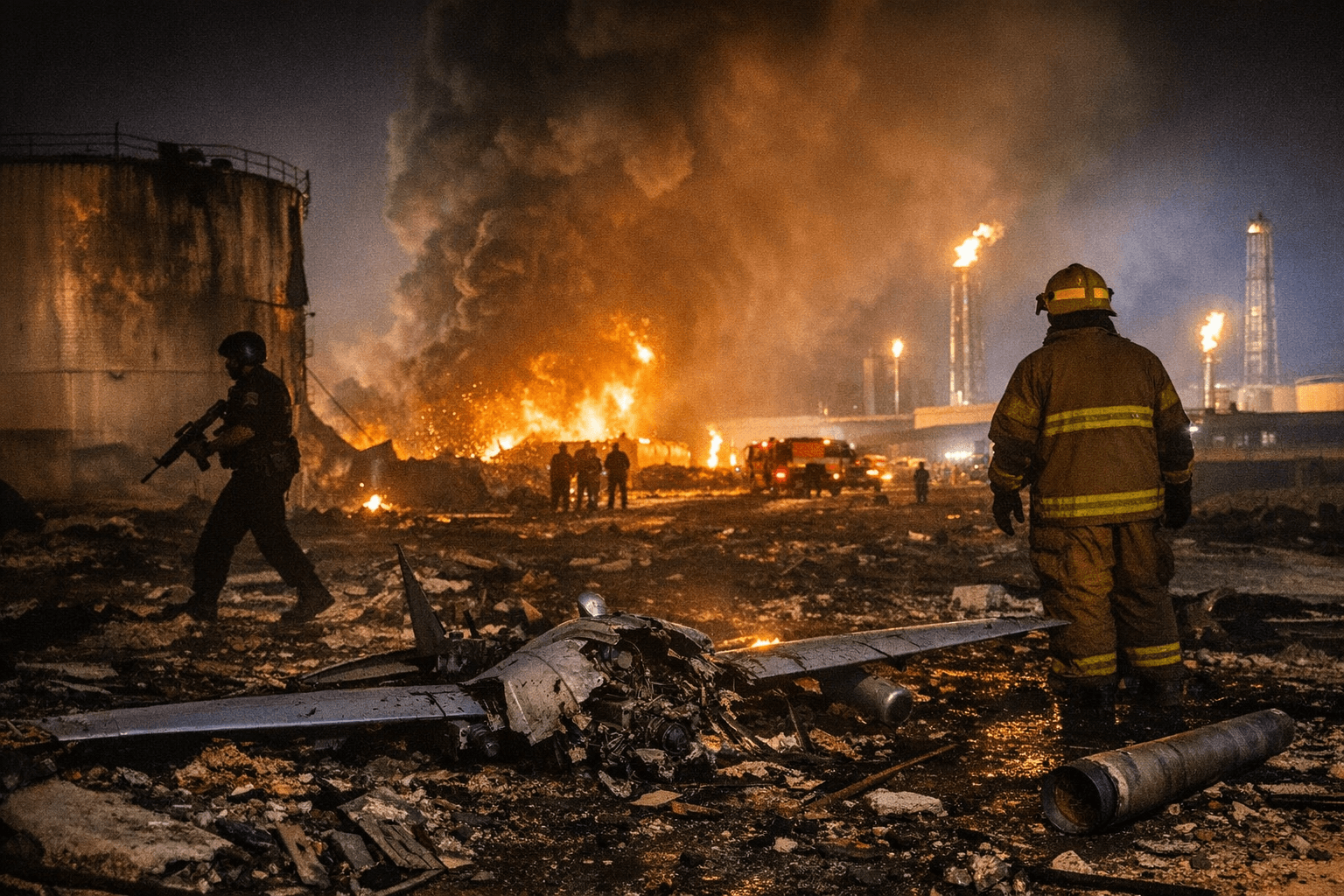
Saudi Arabia and Bahrain escalated their pressure on Baghdad as drone attacks launched from Iraqi territory kept rattling Gulf capitals, turning Iraq into the most exposed front in a wider regional confrontation. Bahrain summoned Iraq’s envoy after continued strikes from Iraqi soil, and Saudi Arabia summoned Iraq’s ambassador over drone threats traced to the same territory, a diplomatic push that underscored how seriously Gulf states now view the militia campaign.
The confrontation went far beyond protocol. Iraqi militias backed by Iran launched dozens of explosive drones at Saudi Arabia and other Gulf states during more than five weeks of fighting, showing that the regional war had produced a quieter but persistent shadow conflict. The attacks came even as hostilities between the United States and Iran eased, leaving Gulf governments alarmed that armed groups operating from Iraq could keep firing with little restraint.
The stakes were immediate for energy markets and U.S. security planning. Attacks on Saudi energy facilities cut the kingdom’s oil production capacity by about 600,000 barrels a day and reduced throughput on the East-West Pipeline by about 700,000 barrels a day, a reminder that even limited drone campaigns can pressure one of the world’s most important export systems. The assault pattern also widened concerns across Kuwait, Iraq, Saudi Arabia and the United Arab Emirates, where drones and missiles were launched amid the Iran war and in some cases caused fires near Dubai hotels, panic at Kuwait’s airport and the temporary disabling of a major Saudi refinery.
The diplomatic squeeze on Iraq had been building since March, when Bahrain, Jordan, Kuwait, Qatar, Saudi Arabia and the United Arab Emirates issued a joint statement demanding that Baghdad stop attacks from its territory by Iran-aligned groups. The warning also said the states reserved the right to self-defense under Article 51 of the U.N. Charter, a signal that the Gulf governments were prepared to treat these strikes not as isolated security incidents but as a challenge to sovereignty.
Several Gulf states were then weighing a complaint to the U.N. Security Council over militia attacks, a step that would further internationalize the dispute between Baghdad and its Arab neighbors. The pressure reflects a broader shift in Gulf security calculations: the UAE and Qatar have asked the United States to help replenish air-defense interceptors, evidence that sustained drone and missile attacks are consuming costly defenses as fast as they expose vulnerabilities. For Washington, the fight has become more than a borderless proxy war. It is now a test of U.S. military posture, the resilience of Gulf alliances and the stability of energy corridors that run through the Strait of Hormuz and beyond.
This article was produced by Prism’s automated news system from verified source data, official records, and press releases, then run through automated quality and moderation checks before publishing. The system is built and supervised by the people who set the standards it runs under. Read our full AI policy.
Did this article answer your question?


