Trump’s Iran messaging shifts as ceasefire talks stall in Islamabad
Trump’s promises and threats on Iran swung within days, even as 21-hour Islamabad talks ended without a deal and a second round stayed uncertain.
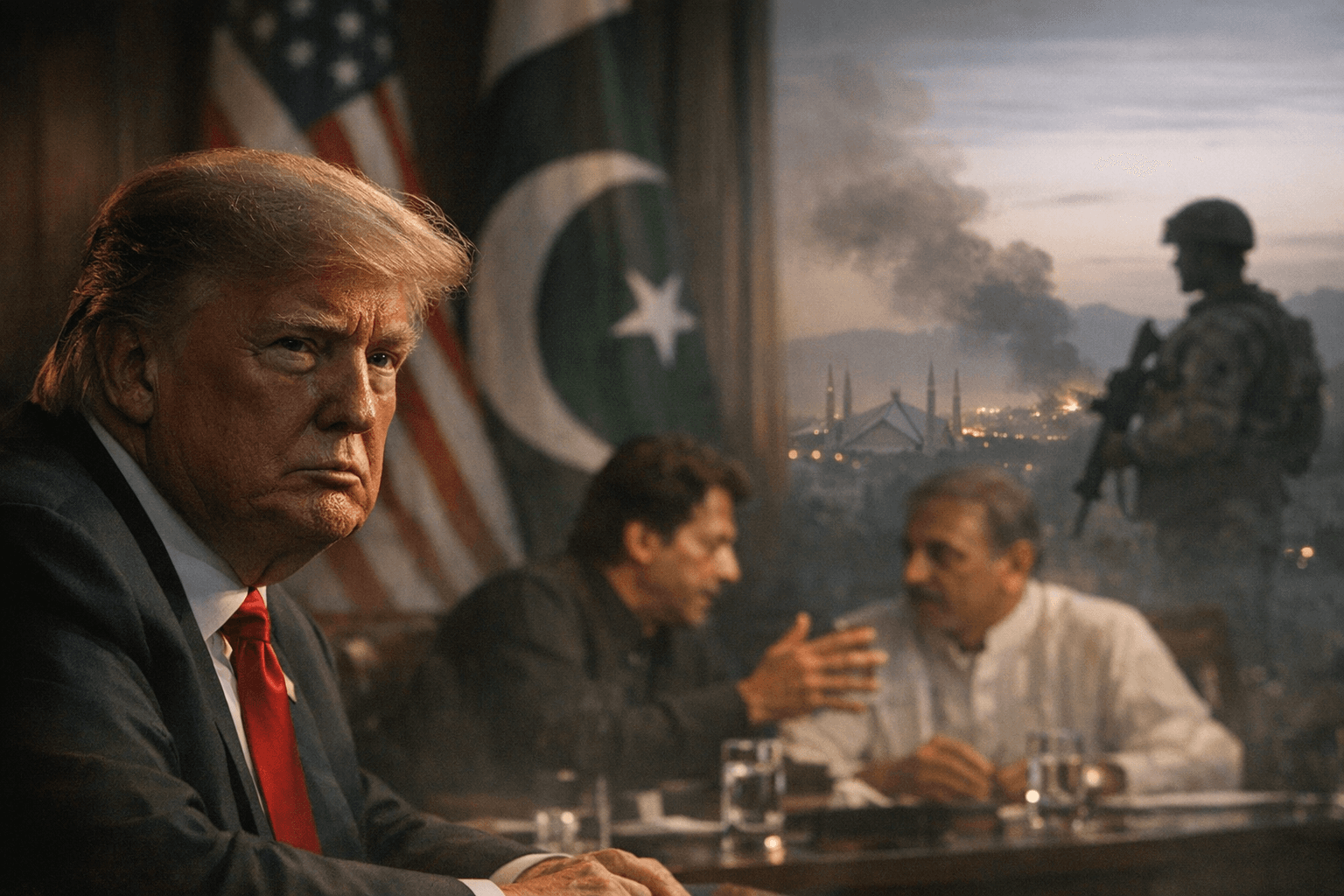
The Iran channel has become a test of presidential credibility as much as diplomacy. After a 21-hour round of talks in Islamabad ended without agreement on April 12, Donald Trump’s public line swung from near-victory to open threat, leaving negotiators, allies, and Iran’s leadership to infer U.S. policy from a moving target.
The sequence began when Trump announced a two-week ceasefire with Iran on April 7. Four days later, Vice President JD Vance led the U.S. delegation into Islamabad, joined by Jared Kushner and Steve Witkoff, for talks that ended without a deal. By April 20 and April 21, a second round was still uncertain, and Vance had not yet departed for Pakistan. That uncertainty matters because the talks were supposed to clarify whether the ceasefire could become a durable arrangement or collapse into a wider confrontation.
Instead, Trump told a different story almost every day. On April 16, he said the United States was “very close” to a deal and that Iran had “agreed to almost everything,” including handing over its enriched uranium stockpile. On April 17, he told CBS News that Iran had “agreed to everything” and suggested the United States could retrieve the uranium “with them.” Iranian Foreign Ministry spokesperson Esmaeil Baqaei rejected that account outright, saying the enriched uranium would not be transferred.
By April 20, Trump had pivoted again, warning that Iran could be “blown up” if no deal was reached and that continued blockade would remain an option. Iranian officials under Abbas Araghchi have said they would not negotiate under threats and that Iran’s missile program and defensive capabilities were not open for discussion. The gap between those positions is now the central obstacle in the talks, not a side issue.
The stakes extend far beyond the negotiating table in Islamabad. Trump announced a U.S. naval blockade of the Strait of Hormuz after the April 12 talks collapsed, putting pressure on a chokepoint that typically carries about one-fifth of the world’s oil. The dispute over the strait has already imposed economic costs on Iran, while also signaling to markets and allies that Washington is prepared to use force and disruption alongside diplomacy. That combination can deter adversaries, but it also complicates alliance planning, muddies military signaling, and leaves the public with a policy that sounds different depending on the hour.
This article was produced by Prism’s automated news system from verified source data, official records, and press releases, then run through automated quality and moderation checks before publishing. The system is built and supervised by the people who set the standards it runs under. Read our full AI policy.
Did this article answer your question?