Saudi Arabia halts Pakistan’s $1.5 billion Sudan arms deal
Saudi Arabia stopped financing a $1.5 billion Pakistan-Sudan arms package, exposing how Gulf leverage now shapes weapons flows into Sudan’s war.
Pakistan has put a $1.5 billion deal to supply weapons and fighter jets to Sudan on hold after Saudi Arabia asked for the agreement to be terminated and said it would not finance the purchase. The reversal underscores how military sales across the Red Sea corridor are now shaped as much by Gulf power politics and financing as by battlefield demand.
The deal had reached its final stages in January 2026, with Saudi Arabia acting as a broker before Riyadh raised objections. That shift matters because Saudi Arabia is one of Pakistan’s closest strategic partners and has long provided loans and emergency support to Islamabad. The two countries deepened their security relationship last year with a mutual defense pact that treats aggression against either country as an attack on both, making Saudi Arabia’s intervention in the Sudan transaction especially significant.
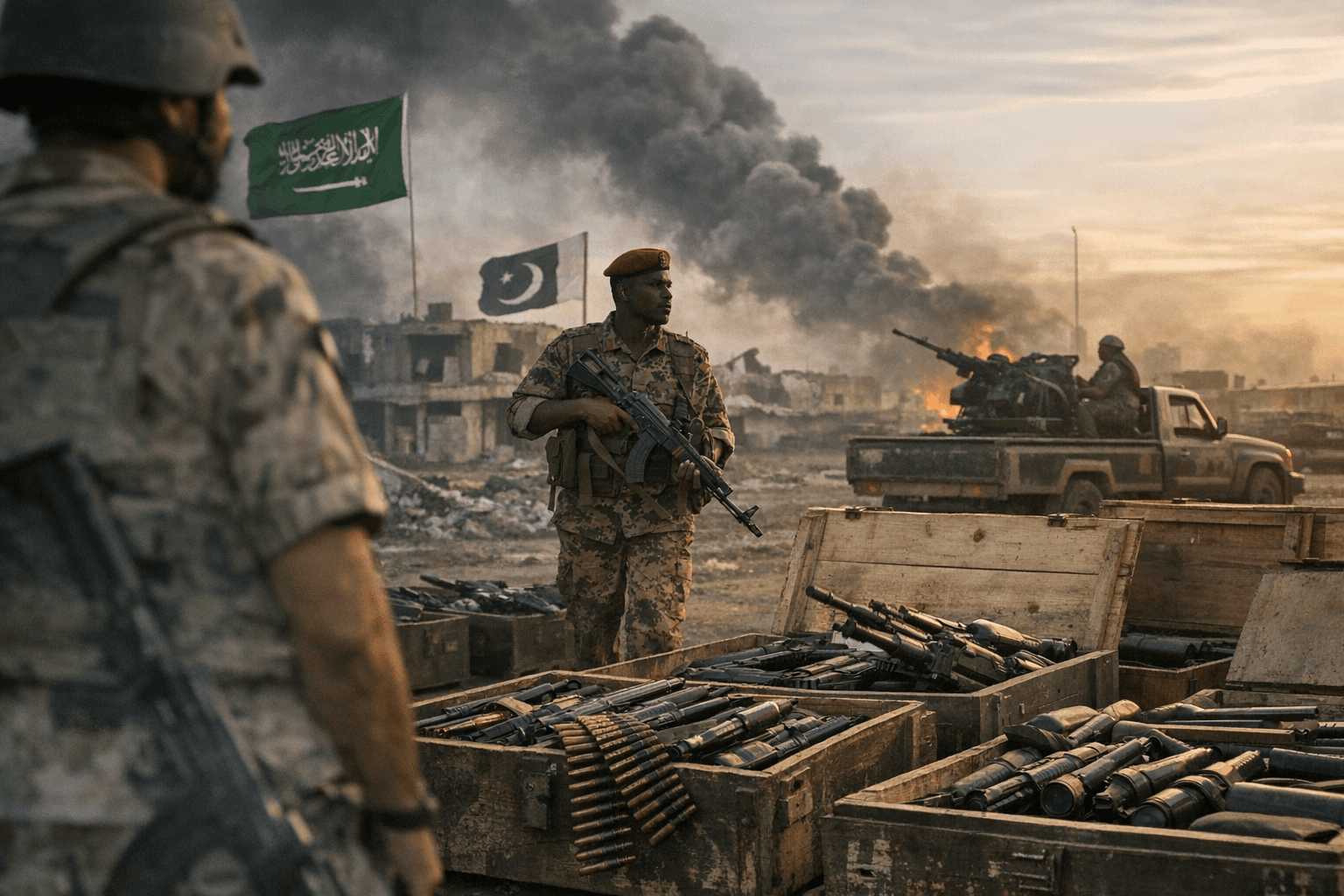
The move also comes as Saudi Arabia and the United Arab Emirates continue to back rival sides in several regional conflicts, including Sudan. Sudan’s war, which began in April 2023 between the Sudanese Armed Forces and the Rapid Support Forces, has become a contest that reaches far beyond Khartoum. Foreign actors around the Horn of Africa and the Red Sea corridor have sought influence over the conflict’s outcome, and the arms deal offered another example of how financing, diplomacy and military supply are now tightly linked.
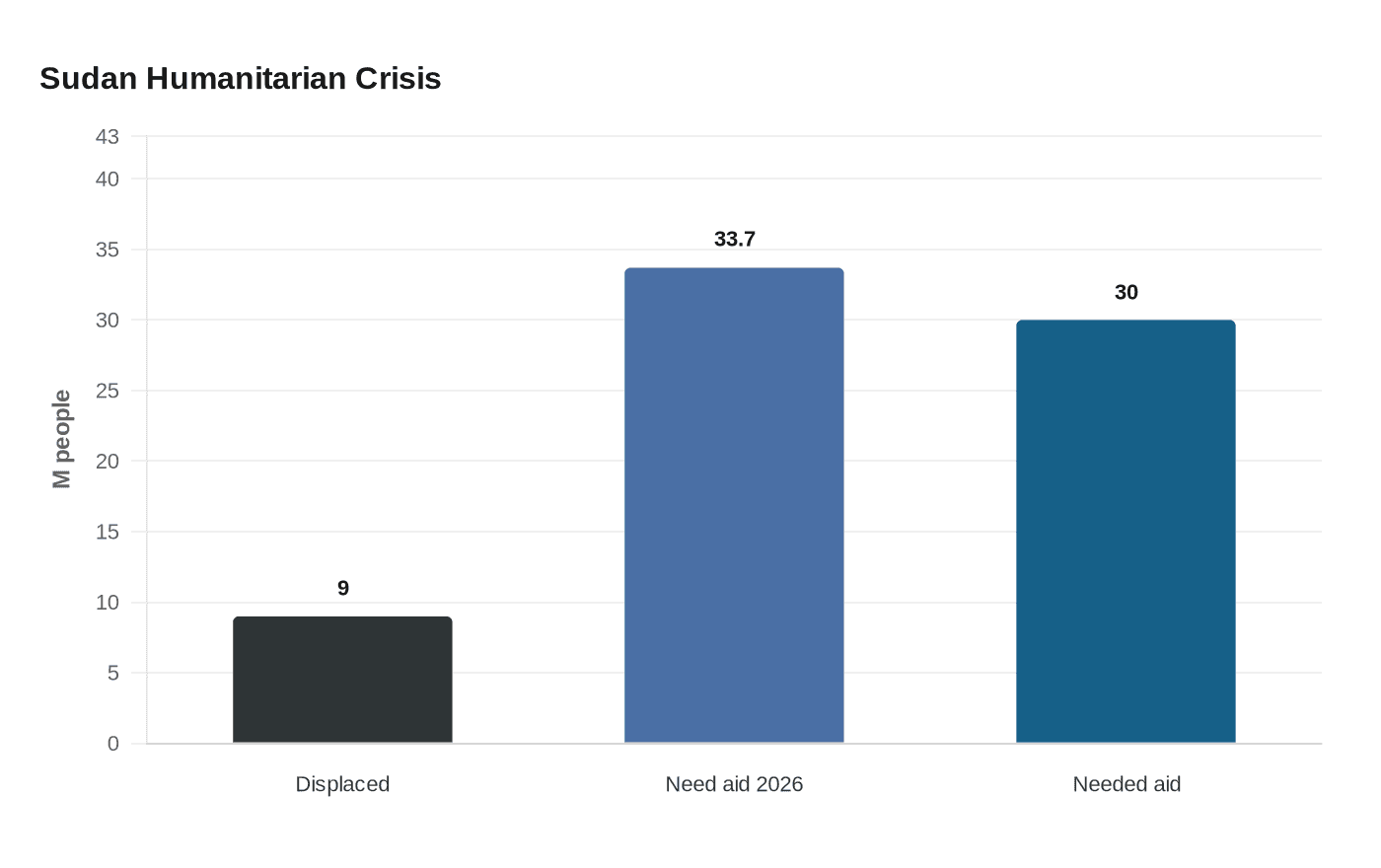
The humanitarian toll is stark. United Nations agencies said in April that Sudan remains the world’s largest humanitarian and displacement crisis. More than 9 million people have been displaced inside the country since the war began, and the UN Office for the Coordination of Humanitarian Affairs says 33.7 million people require humanitarian assistance in 2026. Last year, more than 30 million people needed aid, a scale that has made the war one of the gravest crises in the world.
For Pakistan, the stalled Sudan sale also reflected a broader push to turn military visibility into export revenue. Khawaja Muhammad Asif, Pakistan’s defense minister, said in January 2026 that defense exports had risen after the May 2025 confrontation with India, when Islamabad used the clash to market its weapons systems and jets. That effort has gained urgency as Pakistan’s economy remains dependent on outside financing, even as its armed forces expand their regional security role. On April 11, Pakistan sent fighter jets and other military forces to Saudi Arabia to boost security under the defense pact, a reminder that the same relationship now anchors both Pakistan’s military diplomacy and Saudi Arabia’s ability to constrain conflicts far beyond the Gulf.
This article was produced by Prism’s automated news system from verified source data, official records, and press releases, then run through automated quality and moderation checks before publishing. The system is built and supervised by the people who set the standards it runs under. Read our full AI policy.
Did this article answer your question?


