Saudi Strike on Mukalla Port Deepens Rift with UAE as Oman Engages
A Saudi-led coalition airstrike on Mukalla on December 30 targeted containers and military vehicles from two ships the coalition said originated in the United Arab Emirates, triggering the sharpest public rupture yet between Riyadh and Abu Dhabi. The episode has immediate security and diplomatic consequences in Yemen and raises questions about regional energy cooperation, shipping risk, and the role of Oman as a mediating interlocutor.
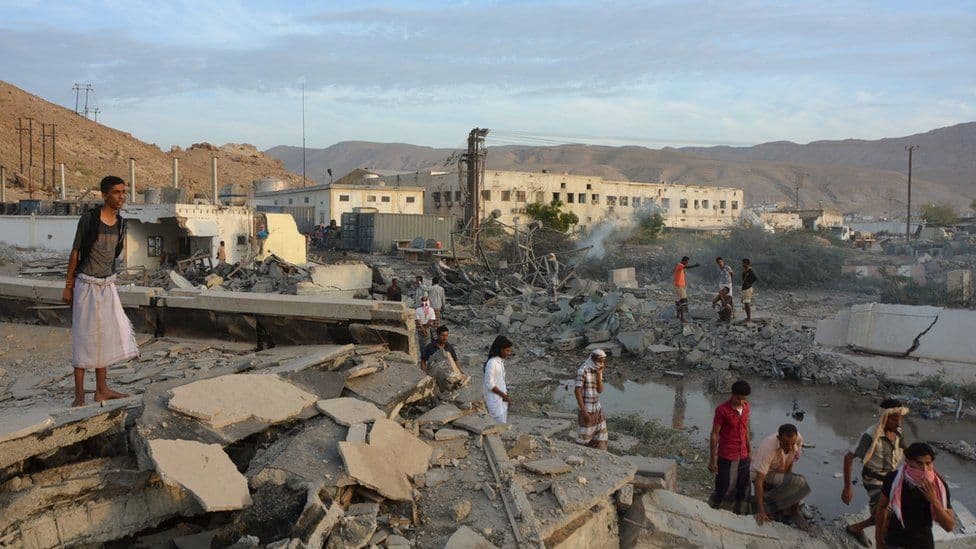
On December 30, a Saudi-led military coalition struck the southern Yemeni port city of Mukalla, saying the operation targeted an unauthorised shipment of weapons and military vehicles that had arrived on two ships. The coalition characterised the operation as "limited" but framed it as a defensive move against a direct escalation. Coalition spokesman Maj-Gen Turki al-Maliki said the shipments constituted "an imminent threat and an escalation that threatens peace and stability."
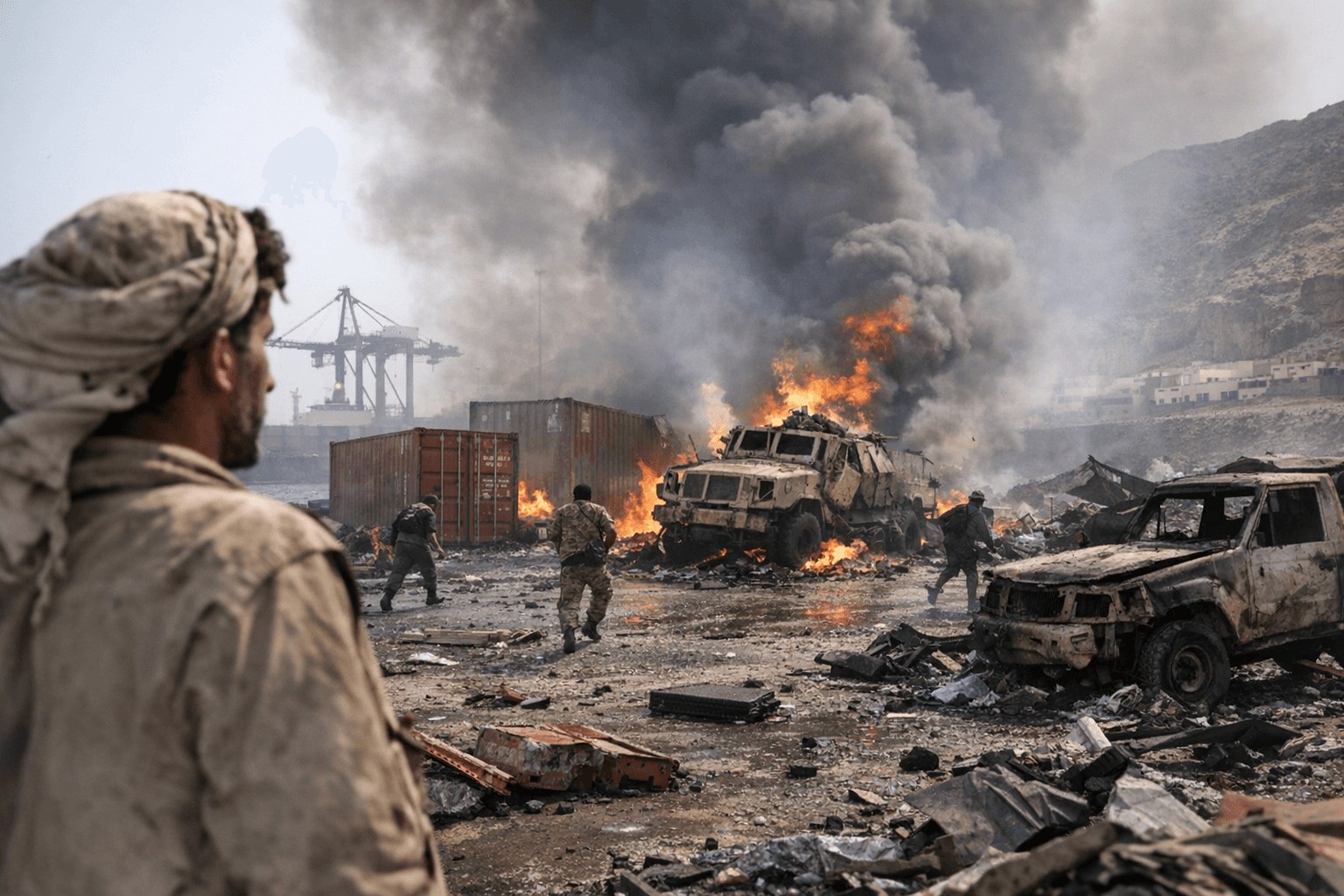
Photographs and footage distributed after the strike showed billowing smoke and damaged vehicles in and around the port, while the coalition described containers seized or struck as linked to forces backed by the United Arab Emirates. The inclusion of the UAE within the coalition's ranks has made the episode unusual and politically fraught: Saudi authorities accused the UAE of sending the contested shipment, while Emirati officials issued a categorical denial and expressed "deep regret" over the accusations. The UAE also announced it would withdraw remaining personnel from Yemen, a move that compounds immediate security uncertainties on the ground.
Yemen's internationally recognised government reportedly moved to emergency measures and to suspend aspects of its security arrangements with the UAE in response to the strike. Independent verification of the ships' cargoes, casualty figures and a full timeline of events was not available in the immediate aftermath, leaving critical factual gaps that will shape diplomatic and legal follow-up.
Beyond the battlefield, the incident carries material economic and market implications. Saudi Arabia and the UAE are the region's two largest oil producers; Saudi crude output has typically ranged near 10 to 11 million barrels per day while Emirati output has been in the low millions of barrels per day. Any durable breakdown in cooperation between the two capitals risks complicating coordination within OPEC and OPEC+ at a time when energy markets remain sensitive to supply-side shocks and geopolitical risk premiums. Even limited military escalations in the Red Sea and Gulf of Aden region can raise tanker insurance costs, reroute commercial shipping and boost short-term volatility in crude benchmarks.
The strike also poses risks to Yemen's fragile economy and to reconstruction and humanitarian operations that rely on port access and security guarantees. Mukalla is a logistical node for the southern coast; damage to dock infrastructure or sustained insecurity could raise transport costs and slow aid flows to populations already under economic strain.
Oman has moved into a diplomatic posture following the incident, engaging with Saudi officials in talks that observers say aim to de-escalate tensions. Official confirmation of the scope and outcomes of those discussions remains limited. Historically, Oman has served as a discreet interlocutor in Gulf disputes, and its involvement signals Riyadh and Abu Dhabi recognise the need for third-party mediation even as they confront a widening strategic divergence.
The episode marks a notable inflection in Gulf policy dynamics: long-standing partners in a regional coalition now face a public rupture over competing patronage in Yemen. Key questions remain about the provenance of the contested cargo, the legal and operational mechanics of the strike, and whether short-term diplomacy led by Oman can prevent a longer-term breakdown in coordination with material consequences for energy markets and regional stability.
This article was produced by Prism’s automated news system from verified source data, official records, and press releases, then run through automated quality and moderation checks before publishing. The system is built and supervised by the people who set the standards it runs under. Read our full AI policy.
Did this article answer your question?


