Scientists charged after airport case found to contain monkeypox vials
A black airport case led federal agents to 113 vials, 17 of them with deactivated monkeypox virus, after two NIH researchers arrived in Detroit from Congo.
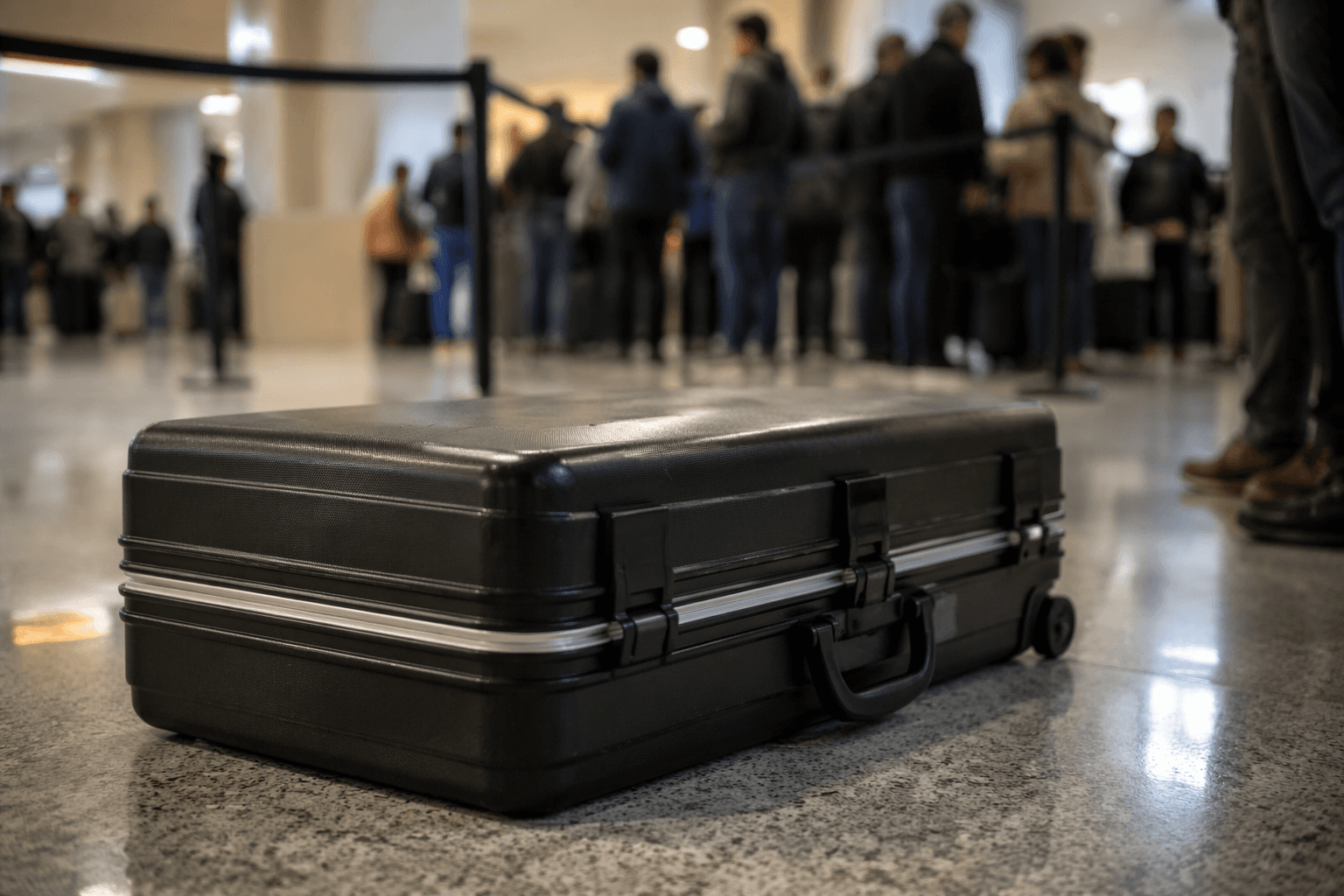
A black plastic case carried through Detroit Metropolitan Airport became the center of a federal biosecurity case after border officers say it held 113 vials, including samples later tested and found to contain deactivated monkeypox virus. Federal prosecutors say the case crossed a line between legitimate outbreak research and illegal importation, raising questions about how the United States screens pathogens at the border.
The men identified in the complaint were Vincent Munster, a 53-year-old Dutch citizen who heads the Virus Ecology Section at the National Institutes of Health’s Rocky Mountain Laboratory in Hamilton, Montana, and Claude Kwe, a 38-year-old research fellow from Cameroon in Munster’s section. The Justice Department says both men worked in a Biosafety Level 4 laboratory focused on emerging viral pathogens and cross-species transmission. They arrived at McNamara Terminal on Jan. 25, 2026, after travel that originated in Brazzaville, Republic of Congo, where an mpox outbreak was underway.
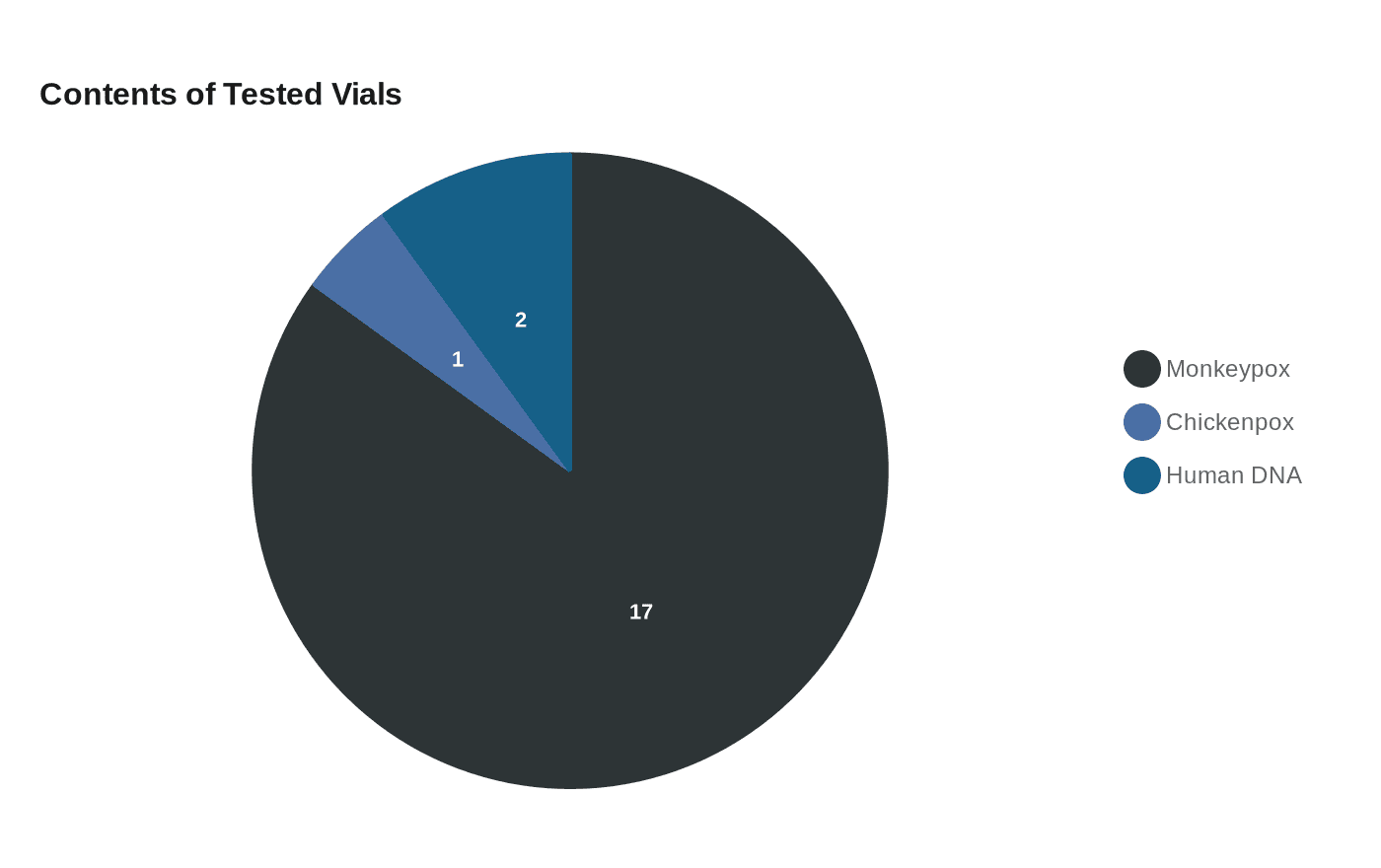
According to federal investigators, Customs and Border Protection officers saw the pair carrying the black case and were told it contained diagnostics and testing equipment. The complaint says that was false. When agents later examined the contents, they found Styrofoam coolers holding 113 vials. Of 20 vials tested, 17 contained deactivated monkeypox virus, one contained chickenpox virus and two contained human DNA.
Prosecutors announced the criminal complaint on June 2, 2026, charging Munster and Kwe with conspiracy to smuggle monkeypox into the United States and with making false statements to federal law enforcement. The case was brought by the U.S. Attorney’s Office for the Eastern District of Michigan, with the FBI, Customs and Border Protection and the HHS Office of Inspector General involved in the investigation.
The episode landed amid continuing concern over mpox and the risks of moving infectious materials across borders. CDC data show the 2022 U.S. outbreak grew to more than 30,000 reported cases and 42 deaths, underscoring how quickly the virus can spread once it enters communities. On Aug. 14, 2024, the World Health Organization declared the mpox surge in the Democratic Republic of Congo and other African countries a public health emergency of international concern.
That broader context makes the distinction in this case especially important. Public-health researchers often work with dangerous pathogens to track transmission, develop countermeasures and strengthen preparedness, but those activities depend on strict declarations, transport rules and border scrutiny. When those safeguards are bypassed, the risk is not just a criminal case at the airport; it is erosion of the systems meant to keep outbreaks contained.
This article was produced by Prism’s automated news system from verified source data, official records, and press releases, then run through automated quality and moderation checks before publishing. The system is built and supervised by the people who set the standards it runs under. Read our full AI policy.
Know something we missed? Have a correction or additional information?
Submit a Tip