Scientists Question Accuracy of Tests That Claim Biological Age
Tests that promise a biological age are booming, but scientists say the numbers can swing widely and still fail the standard for personal medical advice.
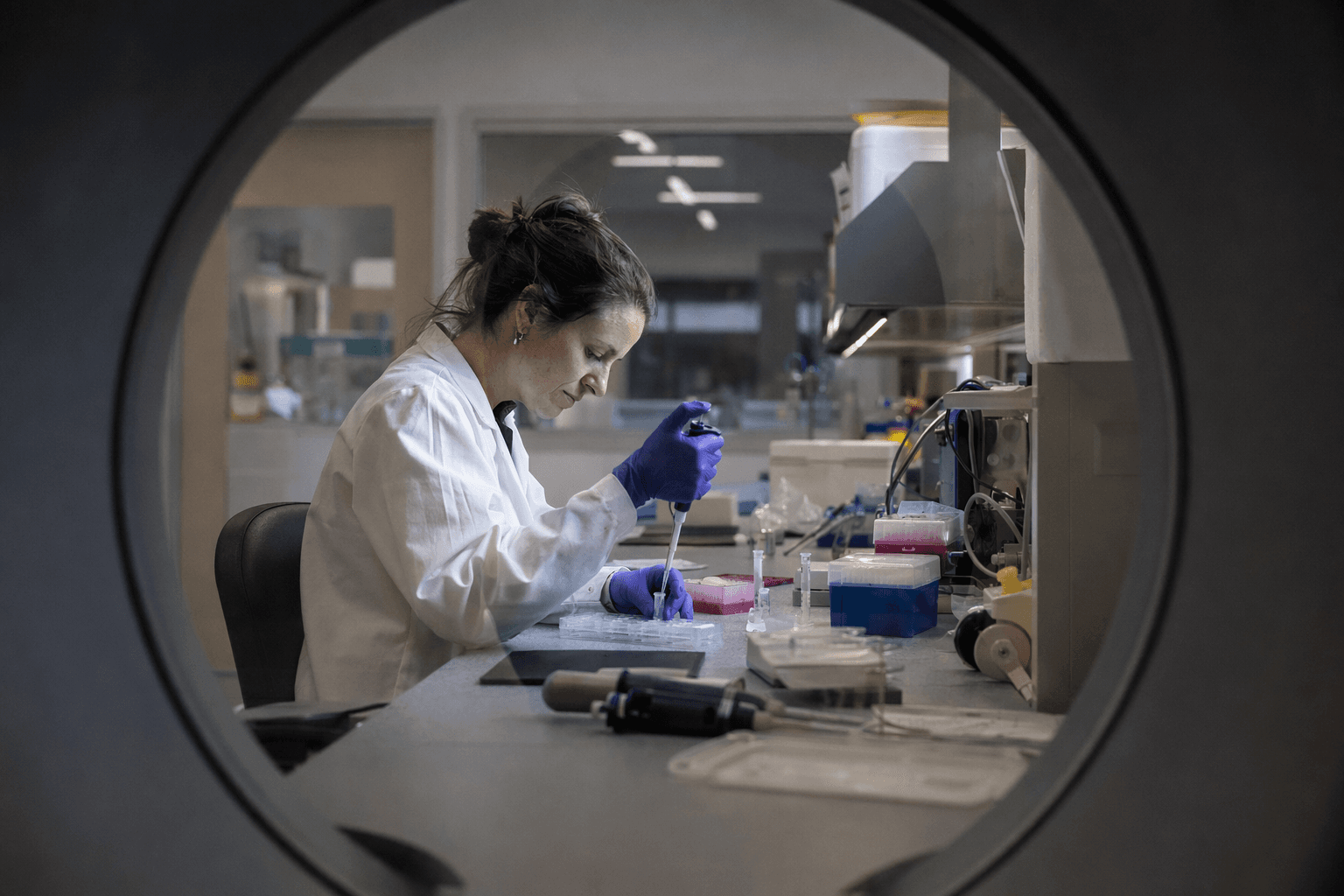
Consumers are being sold a number that sounds precise and authoritative: a biological age. Scientists say that promise is running ahead of the evidence, because the tests behind it can vary widely and do not yet have the clinical validation needed to steer health decisions.
Most of the products rely on epigenetic clocks, which estimate age by reading DNA methylation patterns. That science is useful in research, but researchers Idan Shalev and Abner Apsley warned that a single score can be misleading when it is applied to one person, not a population. Recent reviews describe epigenetic clocks as powerful machine-learning tools, yet also note statistical and computational problems that change with the model, the tissue being tested and the population being studied.
The best evidence so far still points to group trends, not a private diagnostic shortcut. In a 2023 American Heart Association analysis of more than 6,500 adults, people with high cardiovascular health scores on the Life’s Essential 8 checklist had biological ages about six years younger than their chronological ages. The finding, presented as Abstract 475 at Scientific Sessions 2023, suggests that healthier habits may track with slower biological aging. It does not prove that a consumer can mail in a sample, get one number back and use it as a medical guide.
That gap matters because the line between interesting biomarker and actionable test is still blurry. A 2022 paper in Lancet Healthy Longevity said developments in aging biomarkers offer a more objective way to measure how well someone is aging, but it remains unclear how to incorporate those measures into clinical medicine. A more recent peer-reviewed review went further, arguing that epigenetic clocks may not meet clinical-utility standards for individual decision-making and could be uninformative, or even harmful, if overinterpreted.

Regulators are also facing the consumer side of the boom. The Food and Drug Administration finalized a rule on April 29, 2024, asserting more authority over laboratory developed tests, the in vitro diagnostics that are designed, manufactured and used within a single laboratory. That matters because many direct-to-consumer aging tests are sold through that channel, where oversight has long been contested.
The core problem is not whether biology can be measured. It is whether a marketing claim built around one biological-age number can hold up as health advice. For now, the evidence says these tests are better at describing patterns across large groups than at telling one person how fast their body is aging.
This article was produced by Prism’s automated news system from verified source data, official records, and press releases, then run through automated quality and moderation checks before publishing. The system is built and supervised by the people who set the standards it runs under. Read our full AI policy.
Did this article answer your question?