Scientists warn of record early wildfire season fueled by climate change
Wildfires burned more than 150 million hectares in January-April, a record early surge that scientists link to warming, drought and shifting weather.
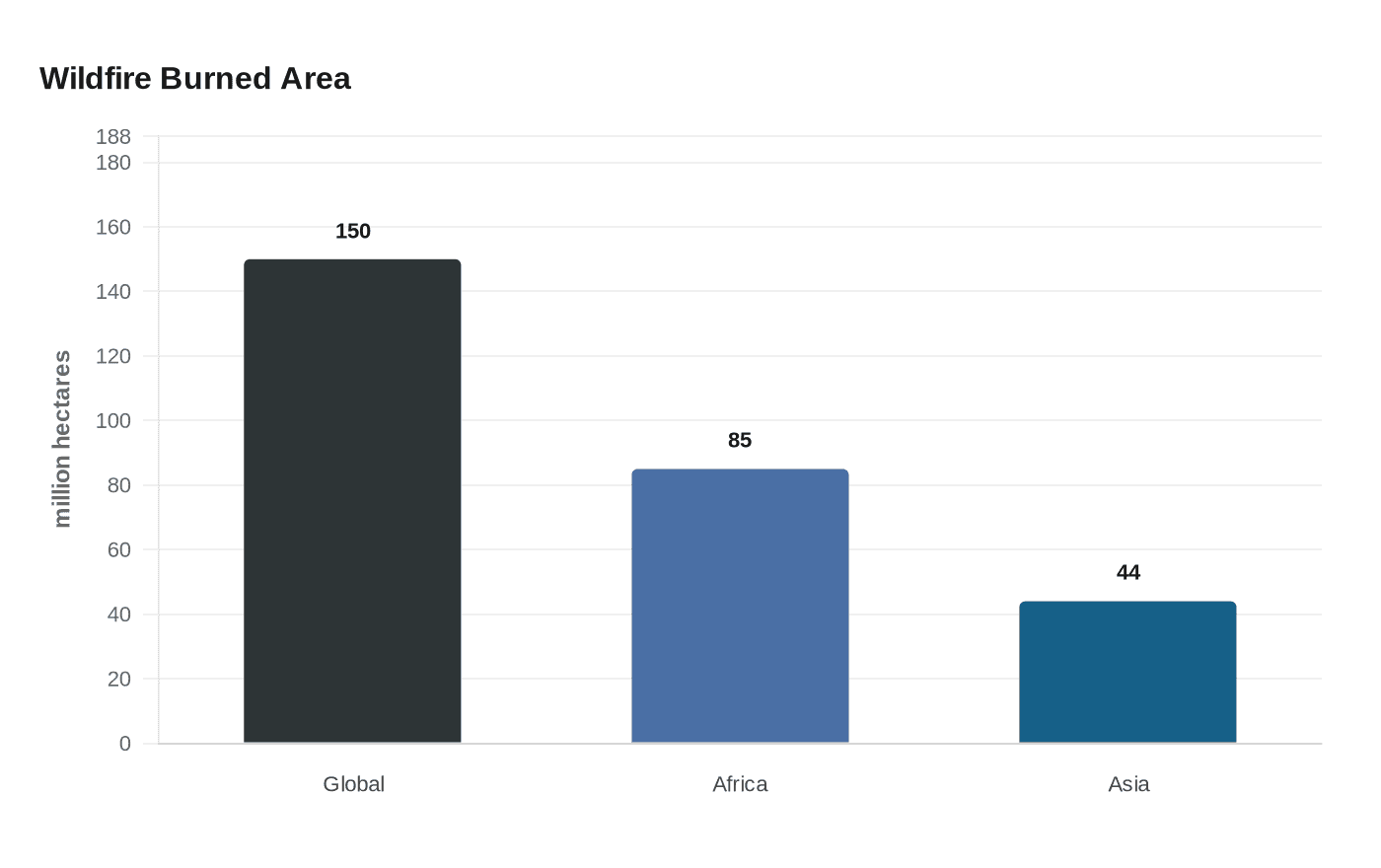
Fire is arriving before the usual peak season, and the scale is already rewriting the record books. Scientists say wildfires from January through April burned more than 150 million hectares, about 370.66 million acres, of land worldwide, roughly 20% above the previous high.
Africa accounted for about 85 million hectares, a 23% jump over its prior record. Asia has seen 44 million hectares burn, nearly 40% above the previous high set in 2014. The timing has alarmed researchers because the Northern Hemisphere summer has not even fully arrived, leaving room for conditions to worsen further.
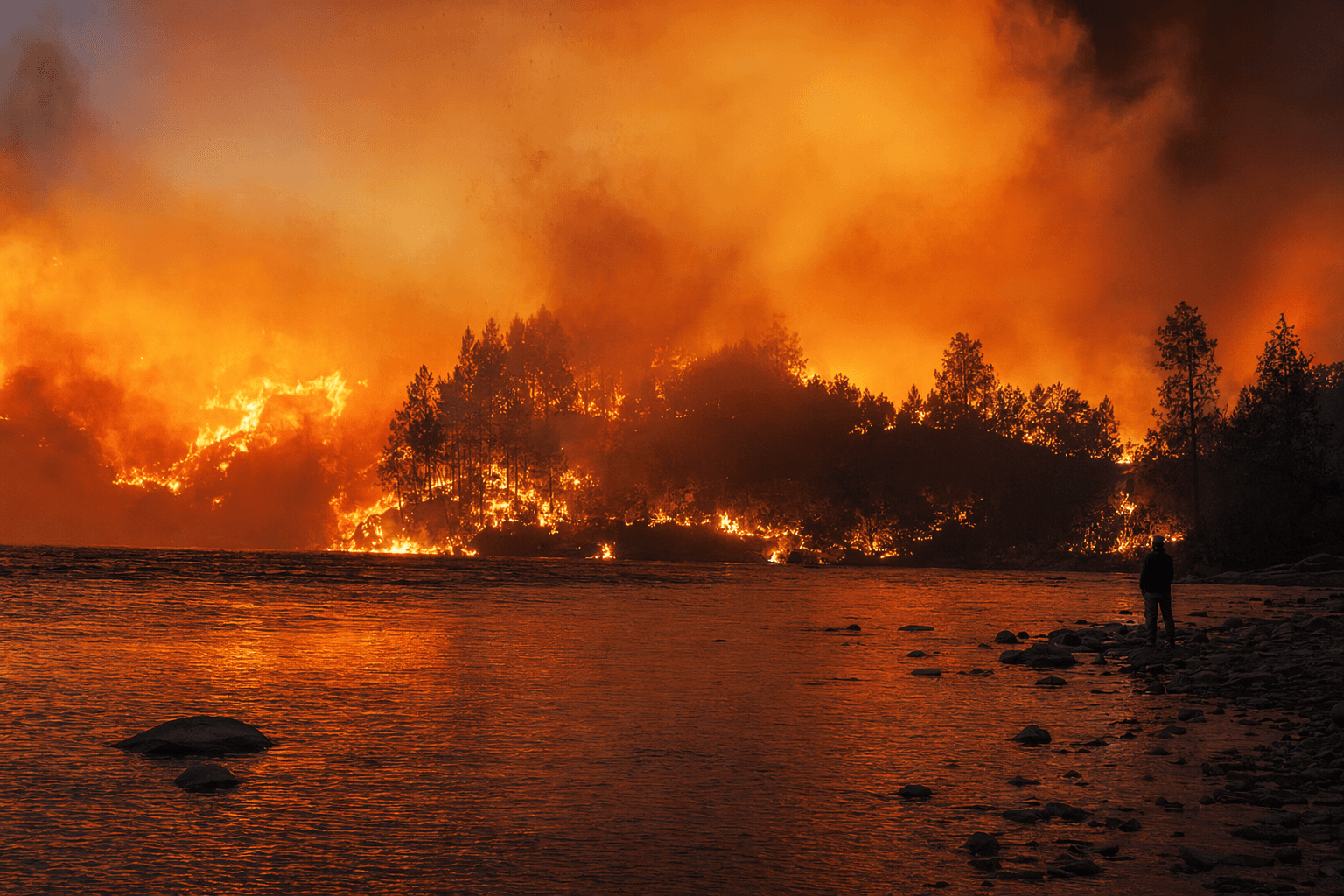
Theodore Keeping, a research associate in the Analysis of Extreme Weather at Imperial College London, said the pattern points to a “particularly severe year” taking shape. He and other scientists link the surge to human-caused warming, shifting weather patterns and the prospect of a strong El Niño, which can intensify drought and heat. Earlier wet conditions in the growing season also left behind more vegetation, turning savannahs and other landscapes into larger fuel loads once temperatures rose and rainfall fell.
The broader warning reaches well beyond the current burn scar. Imperial College London says global fire seasons have lengthened by about 20% over the past four decades, and about 60% of burnable areas now face more fire-prone climate conditions because of longer droughts, higher temperatures and stronger fire weather. That means the threat is not just more flames, but more smoke exposure, more ecological damage, heavier pressure on emergency services and greater strain on fragile food and water systems.
If El Niño develops as expected, scientists say severe heat and drought could spread later this year to Australia, Canada, the United States and the Amazon rainforest. That would widen the public health risk as smoke travels farther, increase the chance of crop stress and water shortages, and deepen the emergency readiness challenge for governments already coping with faster-moving fire seasons. World Weather Attribution, which uses weather observations and climate models to assess how climate change changes extreme weather, has also documented recent fire disasters in Chile and Argentina, where more than 64,000 hectares burned in Chile by January 23 and more than 45,000 hectares burned in Argentine Patagonia by February 2, displacing at least 3,000 people.
The message from the new assessment is blunt: early fire outbreaks are no longer an anomaly to watch from the sidelines. They are becoming another visible marker of a warming world that is loading the odds before summer even begins.
This article was produced by Prism’s automated news system from verified source data, official records, and press releases, then run through automated quality and moderation checks before publishing. The system is built and supervised by the people who set the standards it runs under. Read our full AI policy.
Did this article answer your question?