Search history, bedroom evidence deepen USF student murder investigation
Investigators say Hisham Saleh Abugharbieh asked ChatGPT about a body in a black garbage bag days before two USF doctoral students vanished.
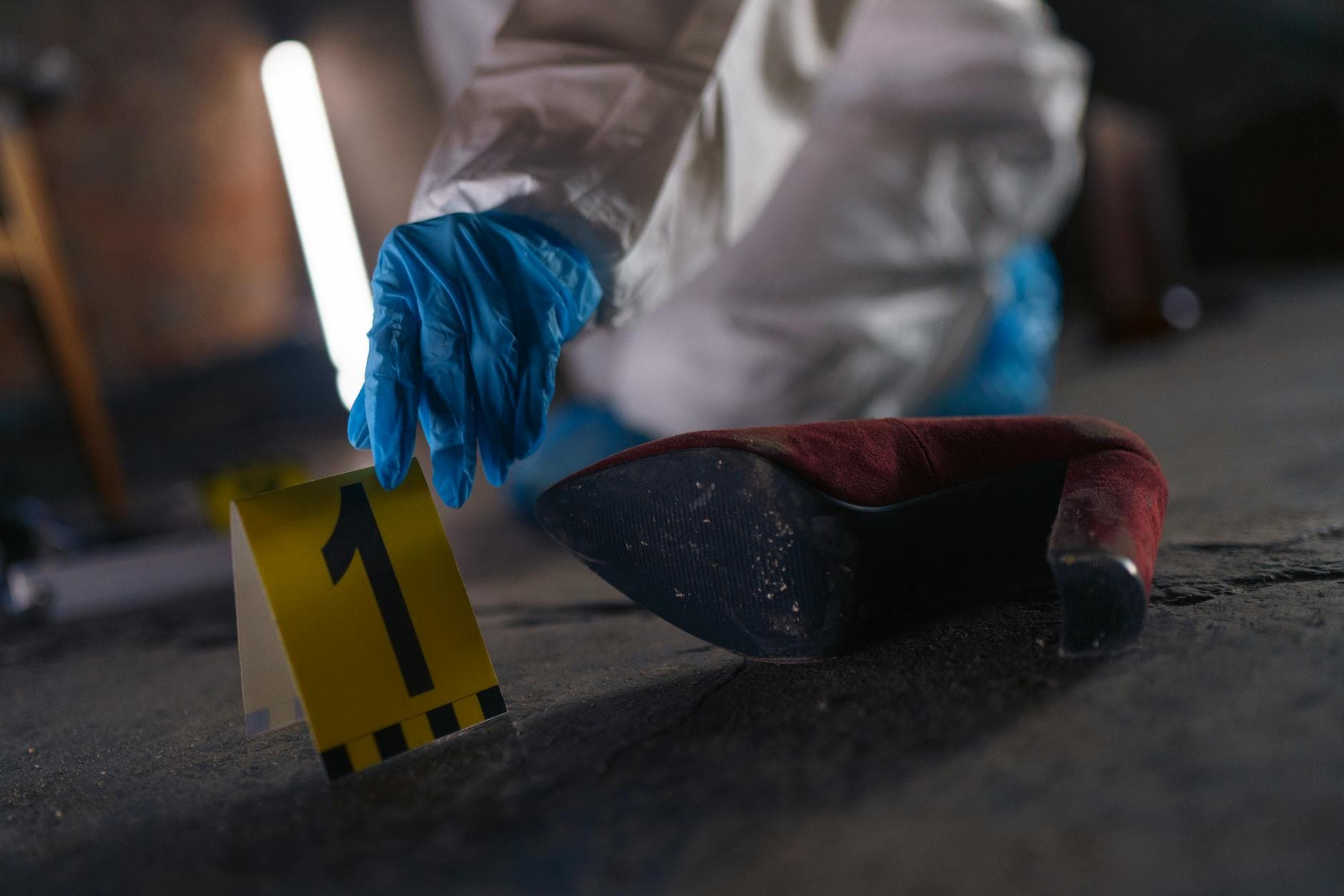
Investigators say a search history, a stash of heavy-duty trash bags under a bed and tracking data from a vehicle helped turn a missing-person case into a murder investigation involving two University of South Florida doctoral students.
Court records released over the weekend say Hisham Saleh Abugharbieh, 26, allegedly used ChatGPT to ask what would happen if a human body were put in a black garbage bag and thrown in a dumpster, and then asked how that death would be discovered. Prosecutors say those searches happened days before Zamil Limon and Nahida Bristy were last seen alive on April 16, 2026. Investigators also found heavy-duty trash bags under Abugharbieh’s bed in the off-campus apartment he shared with Limon.
Limon’s remains were found April 25 near the Howard Frankland Bridge in Tampa after police used cellphone location data, license plate readers and vehicle-tracking information to trace the case. Bristy remains missing, though investigators say they believe she is dead. Both students were 27, both were from Bangladesh, and both were in the United States on student visas. USF said Bristy had been studying chemical engineering since fall 2025, while Limon had been studying geography and environmental science and policy since fall 2024.
Abugharbieh was first booked on non-homicide charges including unlawful holding or moving of a dead human body, failure to report a death, tampering with physical evidence, false imprisonment and battery. Authorities later added two counts of first-degree murder with a weapon. He was held without bond after his initial court appearance, and a detention hearing was scheduled for Tuesday, April 28, 2026.
The case has also put a spotlight on how institutions read warning signs before violence escalates. Abugharbieh was not a current USF student or employee, and USF President Moez Limayem said investigators determined the crime happened off campus and posed no ongoing threat to the university community. Still, the disappearance of two graduate students living in an apartment setting has raised questions about roommate safety, reporting channels and whether troubling online behavior ever reaches a threshold that triggers intervention.
Court records also reference prior burglary and domestic violence-related cases involving Abugharbieh in 2023, though those charges were later discontinued after he completed a diversion program in 2024. As investigators continue searching for Bristy, the case is becoming a grim test of how early clues, digital and physical, are weighed before they are too late.
This article was produced by Prism’s automated news system from verified source data, official records, and press releases, then run through automated quality and moderation checks before publishing. The system is built and supervised by the people who set the standards it runs under. Read our full AI policy.
Did this article answer your question?

